

{{item.Subject}}
New Car Review
Learn about events, happenings and more
Has Mazda just destroyed its best-selling car?
Friday, 07 August 2026 | James Coleman
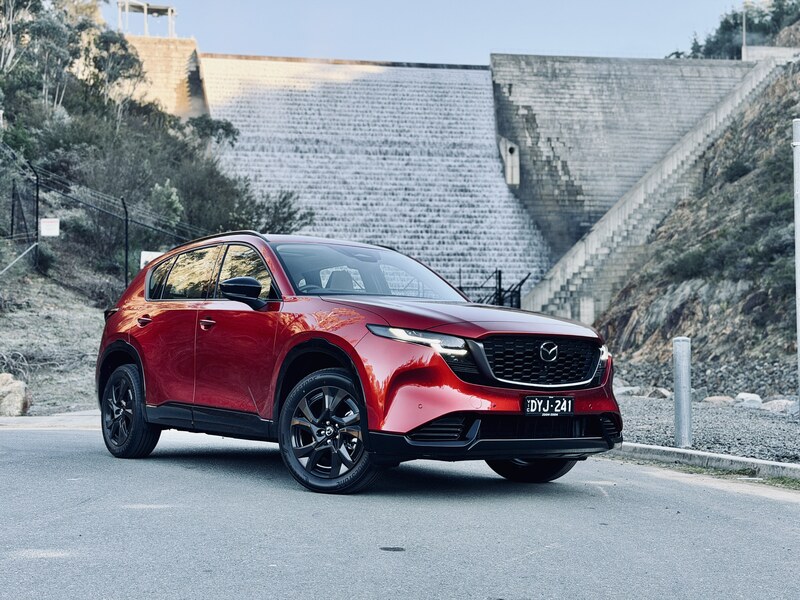
Mazda has clearly been eyeing off the cookie jar for a while. Only now, it’s finally pounced.
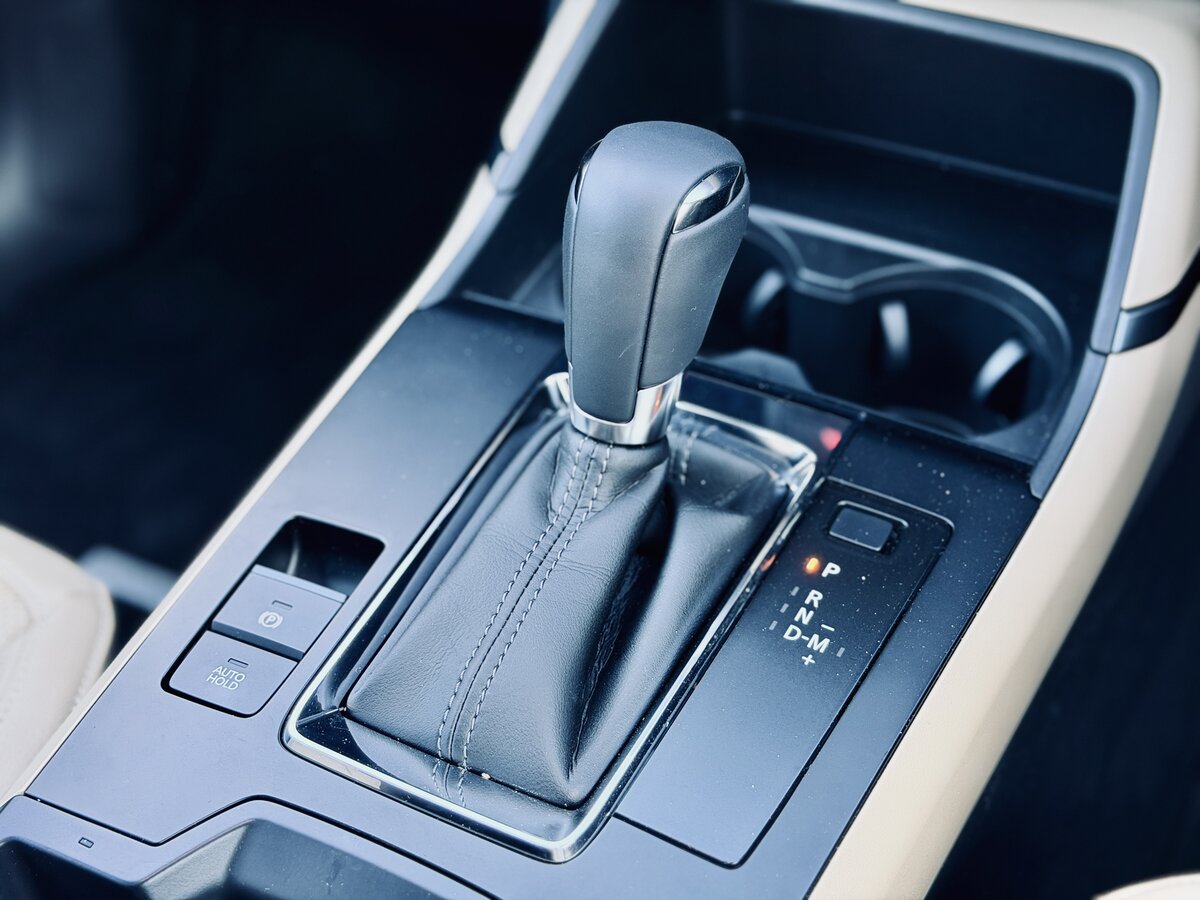
While every other car manufacturer on the planet was busy ripping out buttons and replacing them with massive, glare-heavy touchscreens, Mazda stood firm. They gave us proper, tactile, clicking controls. They said, "No, you do not need to navigate four sub-menus to turn on the heated seats while doing 100km/h into a tree."
And we loved them for it. At least, I thought we loved them for it.
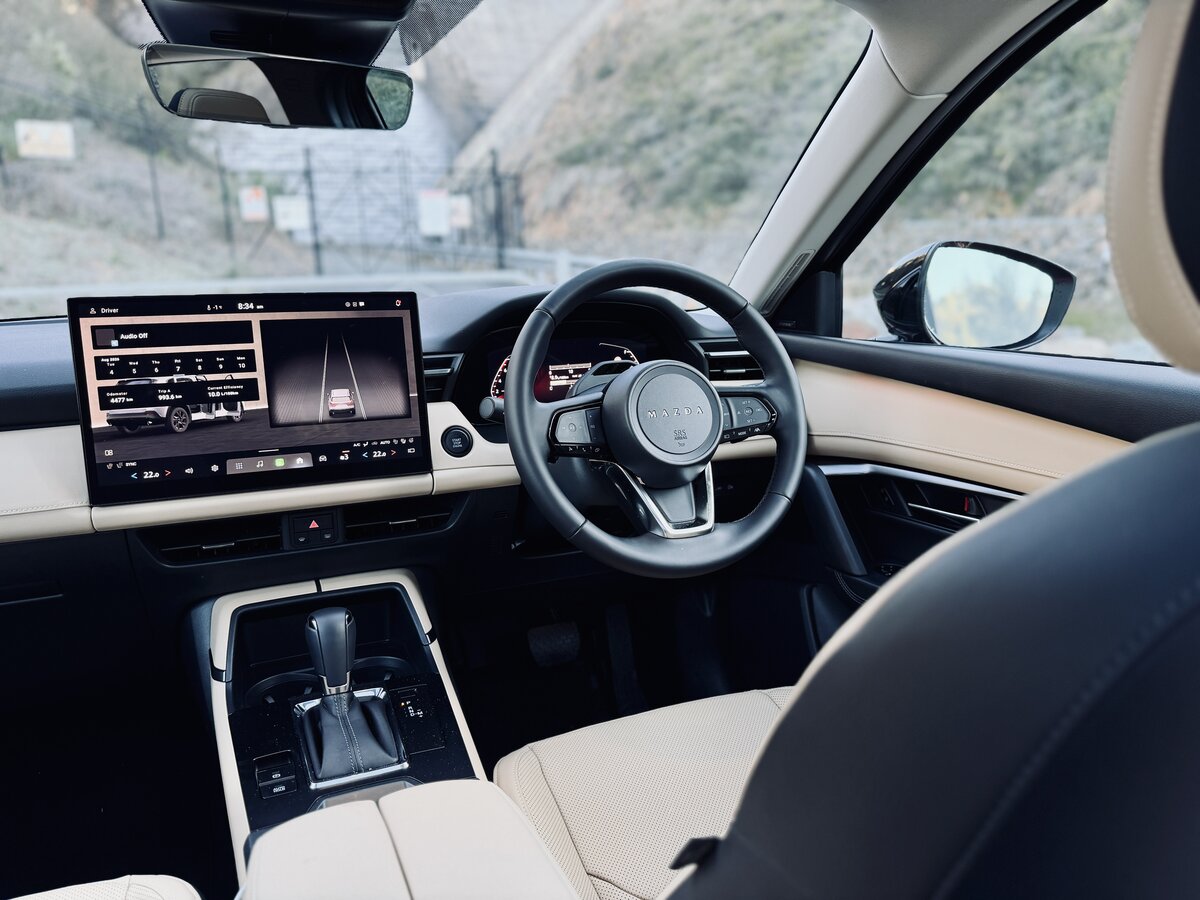
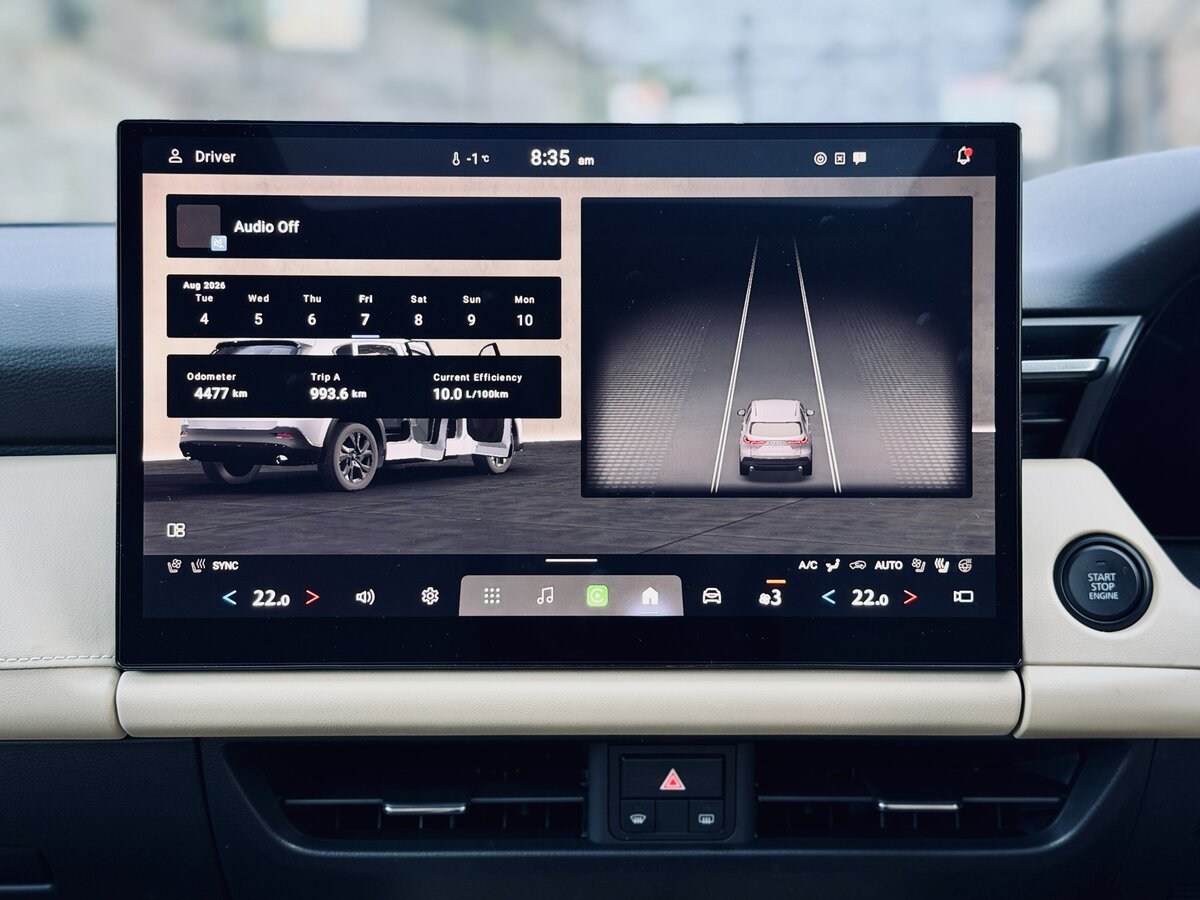
Because the new 2026 CX-5 bins the little dash screen and rotary-controller arrangement of old Mazdas for a 15.6-inch touchscreen. Like every other modern car. So you can watch Odyssey the way Christopher Nolan intended, or something.
Swipe or scroll sideways · 9 images
As many cheap oohs and ahhs as they attract in showrooms, touchscreens are a bona-fide pain to use in the real world.
Pressing a button on the fly requires Interstellar-levels of docking precision - aim for the climate control, hit a bump, and you wind up with Estonian pop on the radio and a mirror turned inward. Worse, manufacturers think we want everything in there, so we end up with Teslas where the entire gear lever is a slider on the touchscreen.
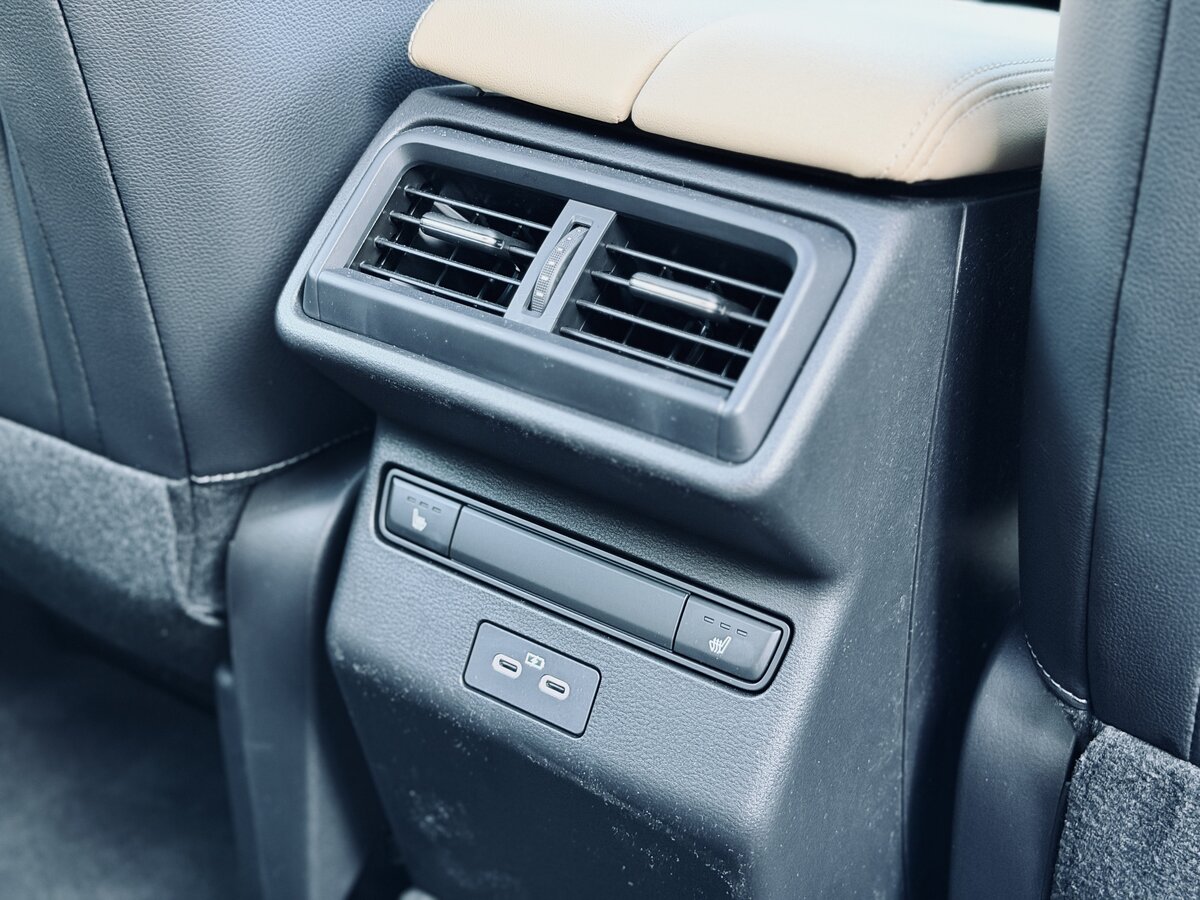
Is it a total disaster? Look, as fun as it is to go all misty-eyed and Luddite, I spent a week with the new CX-5, and hooked up my phone easily enough, and found the controls for the heated seats and air-conditioning in seconds. So the touchscreen is far from a fly in the ointment. It's just more of a question about what was wrong with the old ointment.
What is it?
Aside from the extra slab of glass, the new CX-5 remains familiar fare. Which makes sense.
More than 5 million have been sold globally since coming onto the scene 14 years - or three generations - ago, and more than 325,000 in Australia. It's one of the world's most popular cars.
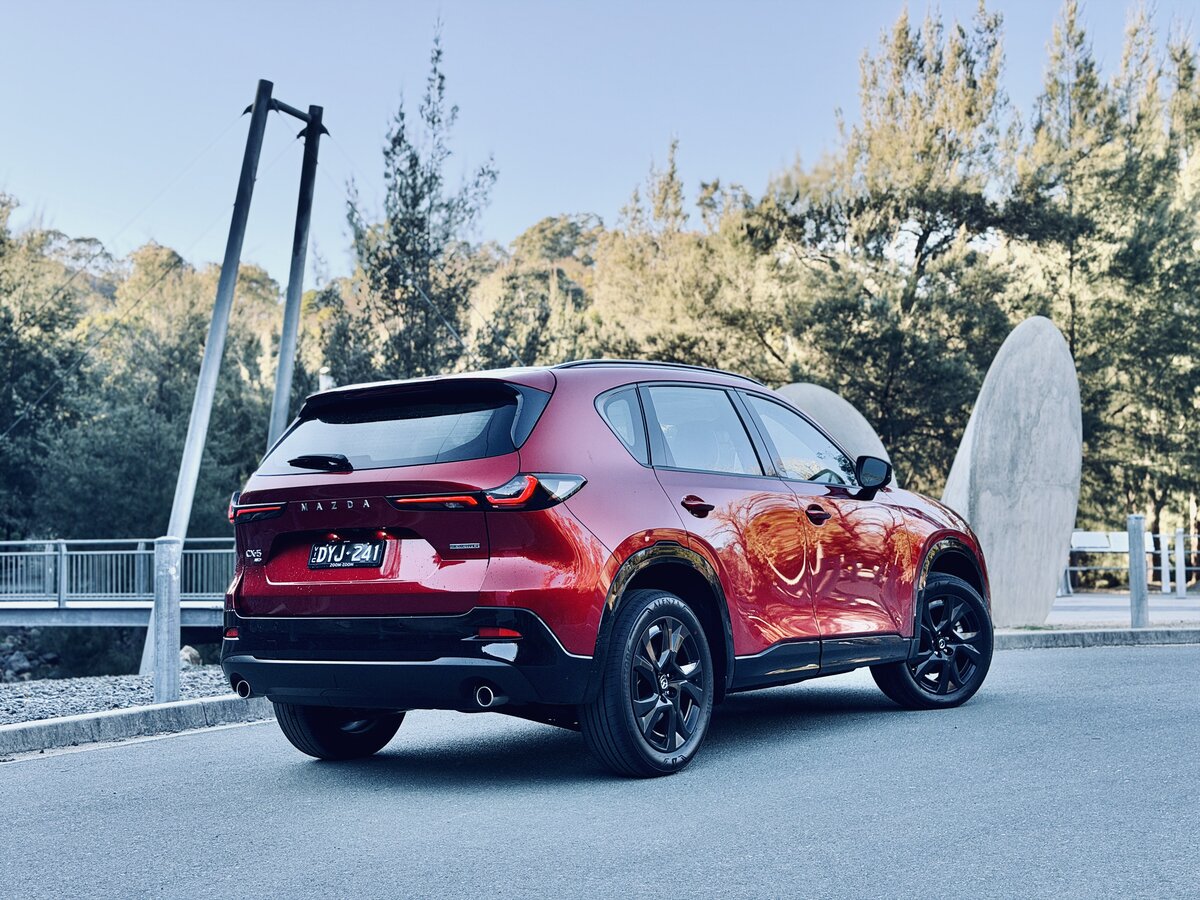
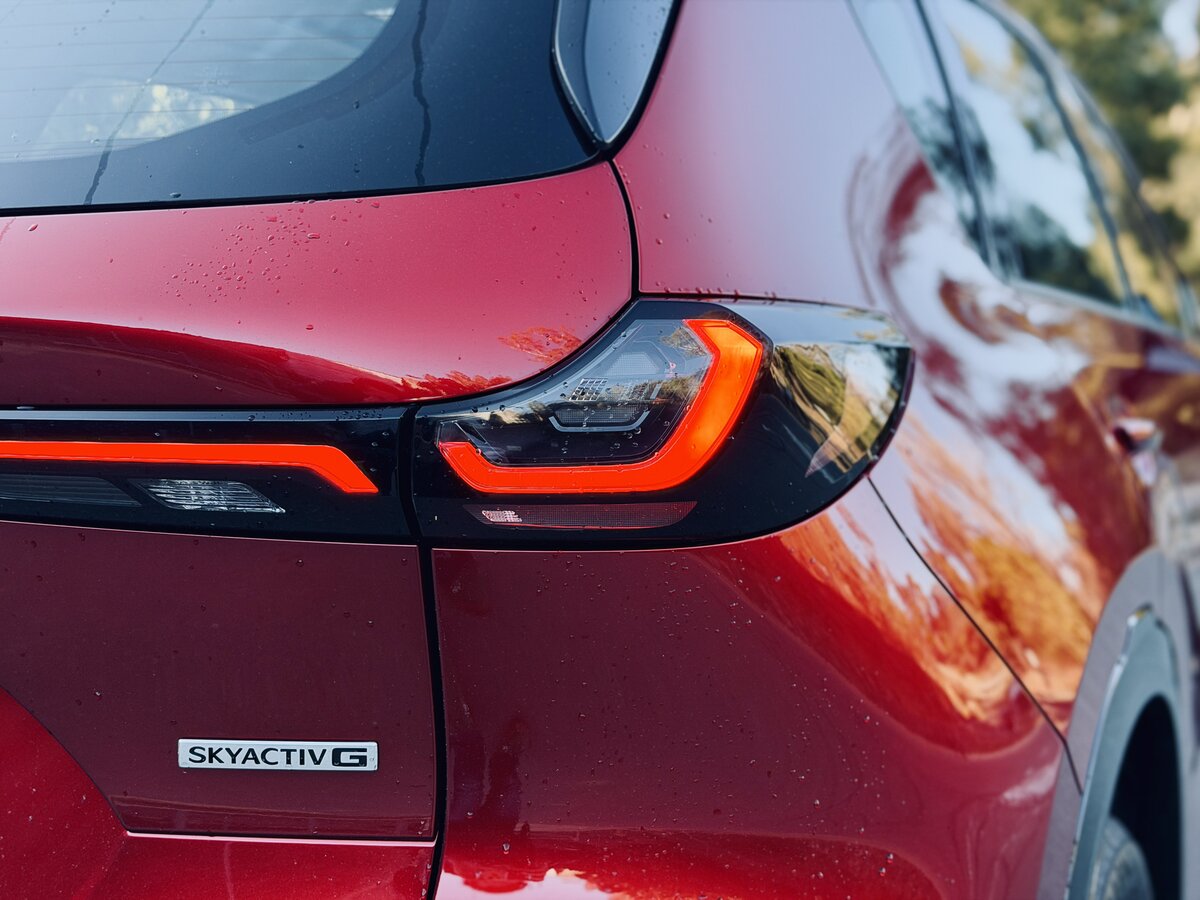
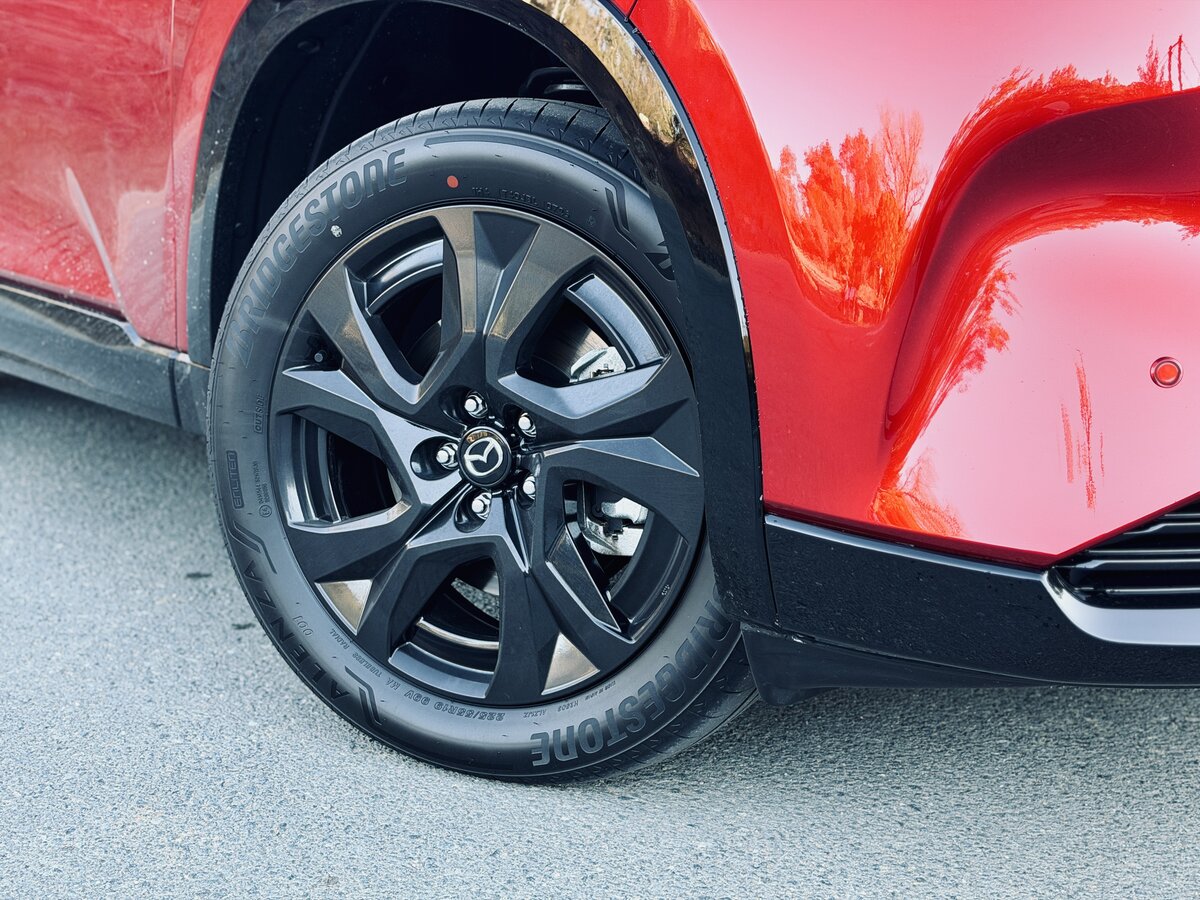
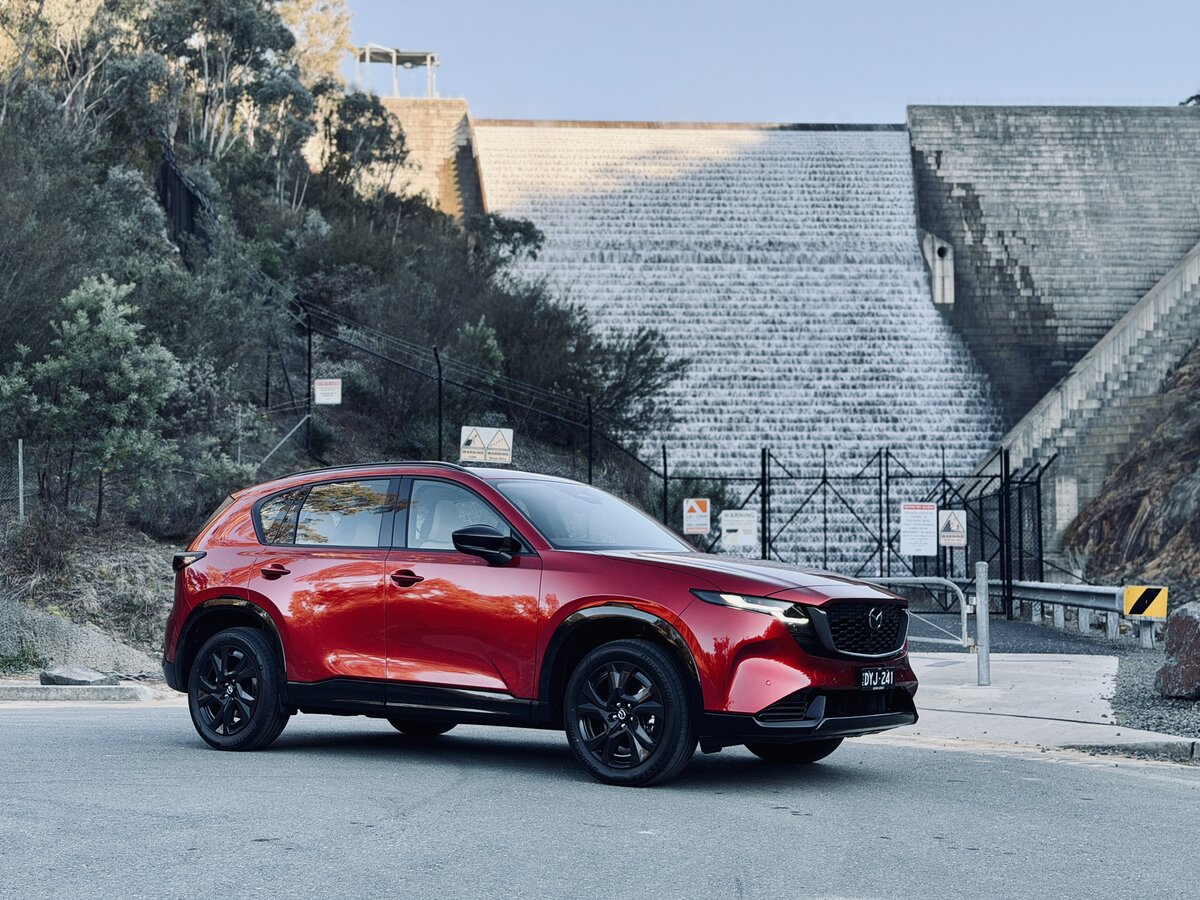
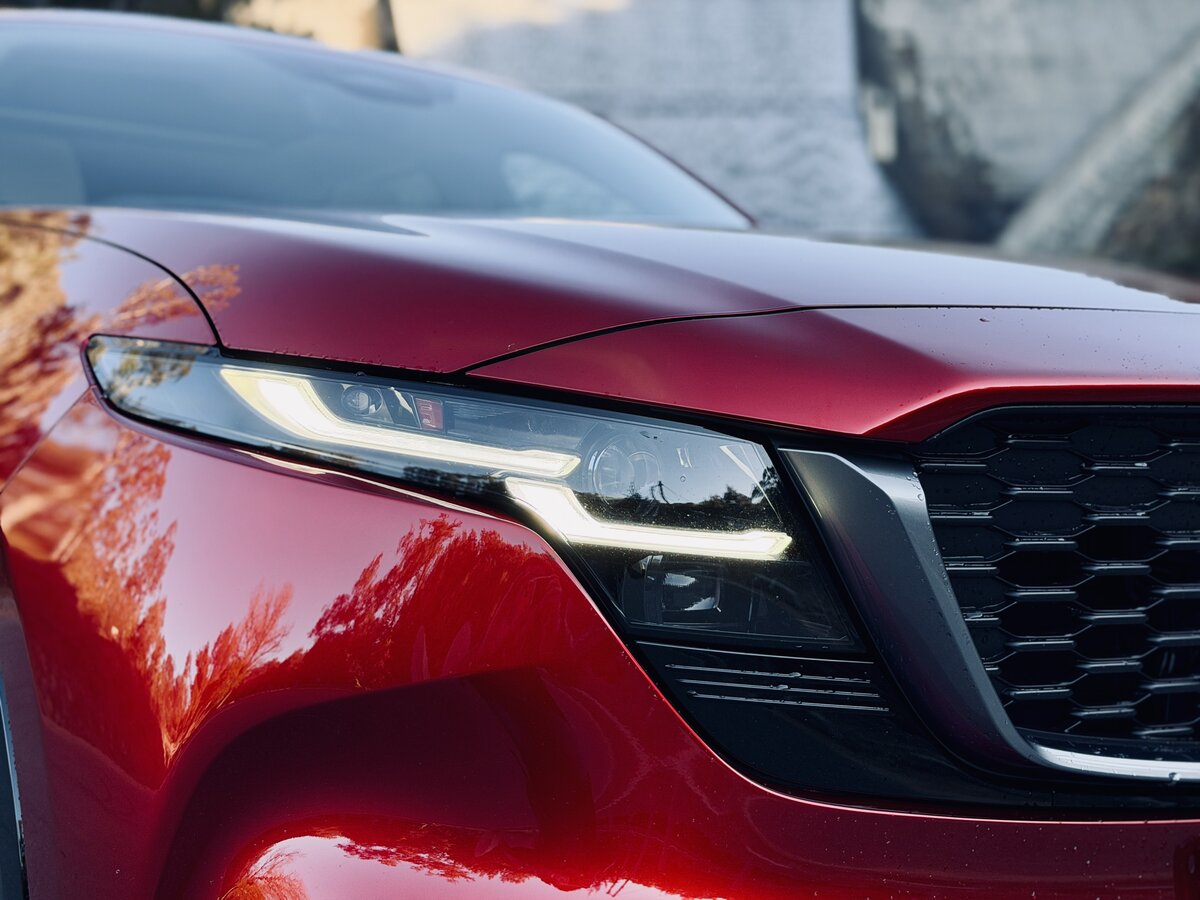
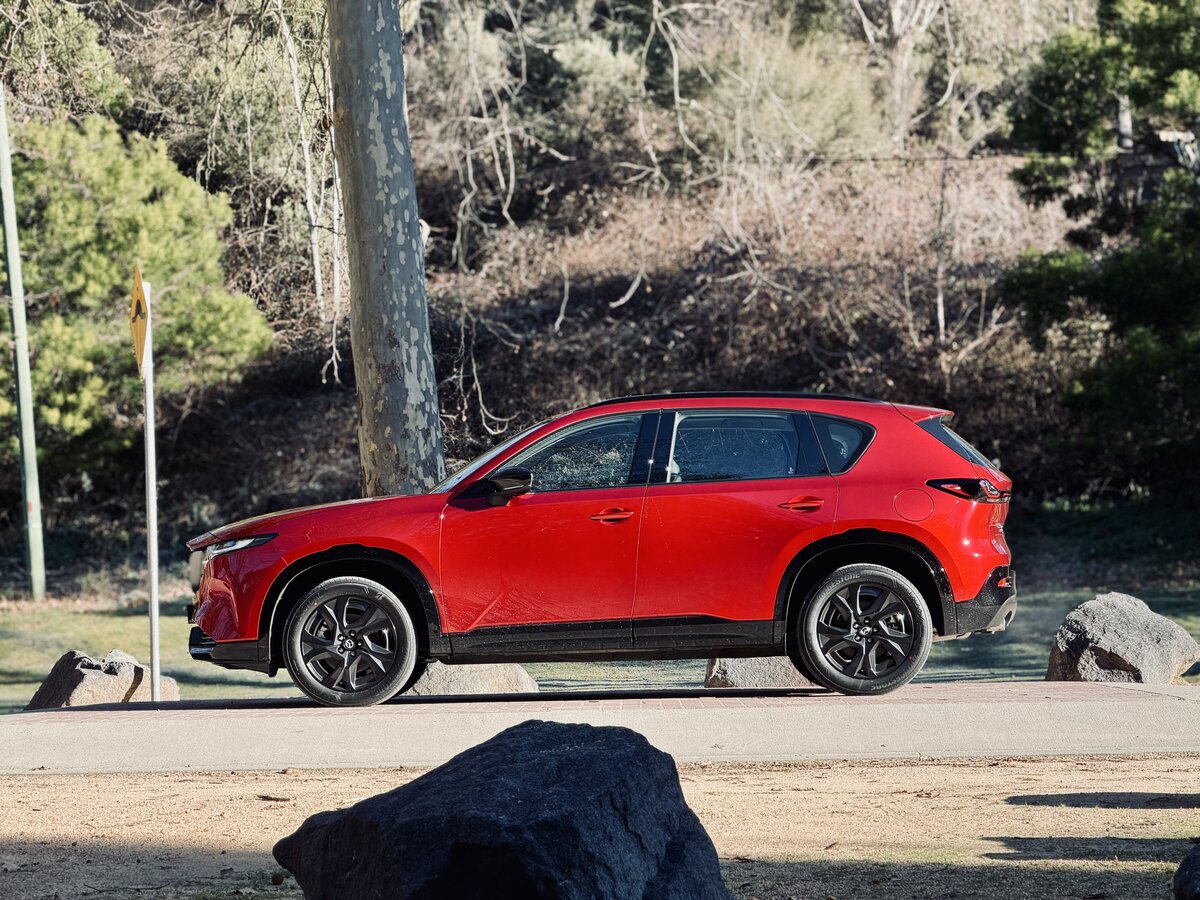
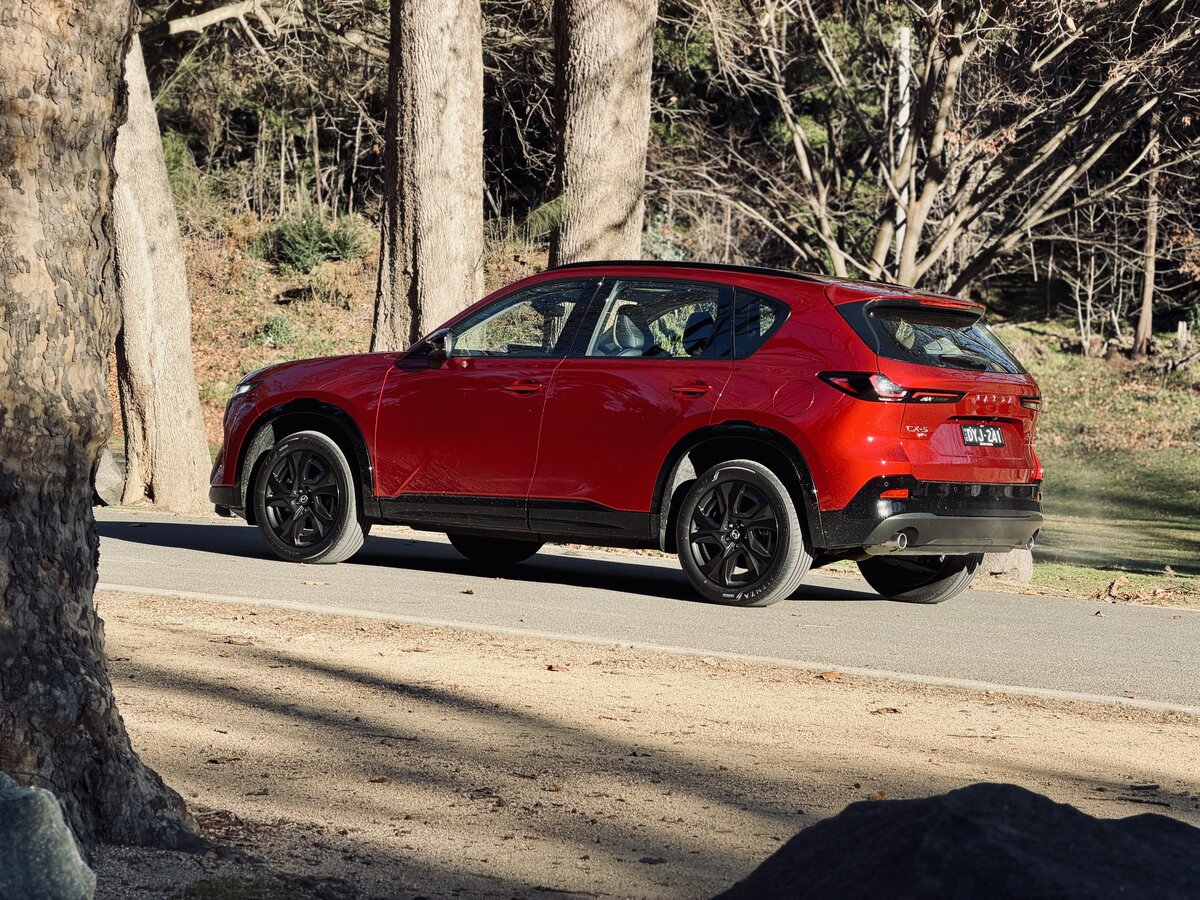
So we have "evolved" styling, the same unkillable 2.5-litre naturally-aspirated four-cylinder "Skyactiv-G" engine, same list of models (Pure, Evolve, Touring, GT SP and Akera), and similar spec sheets for all the them.
Swipe or scroll sideways · 5 images
Mazda has clearly lowered its earlier lofty ambitions to go upmarket too, as prices have only increased slightly. The base Pure model starts $3000 more than before, at $39,990, which pales against the nearly $6K rises we've seen on the new Toyota RAV4.
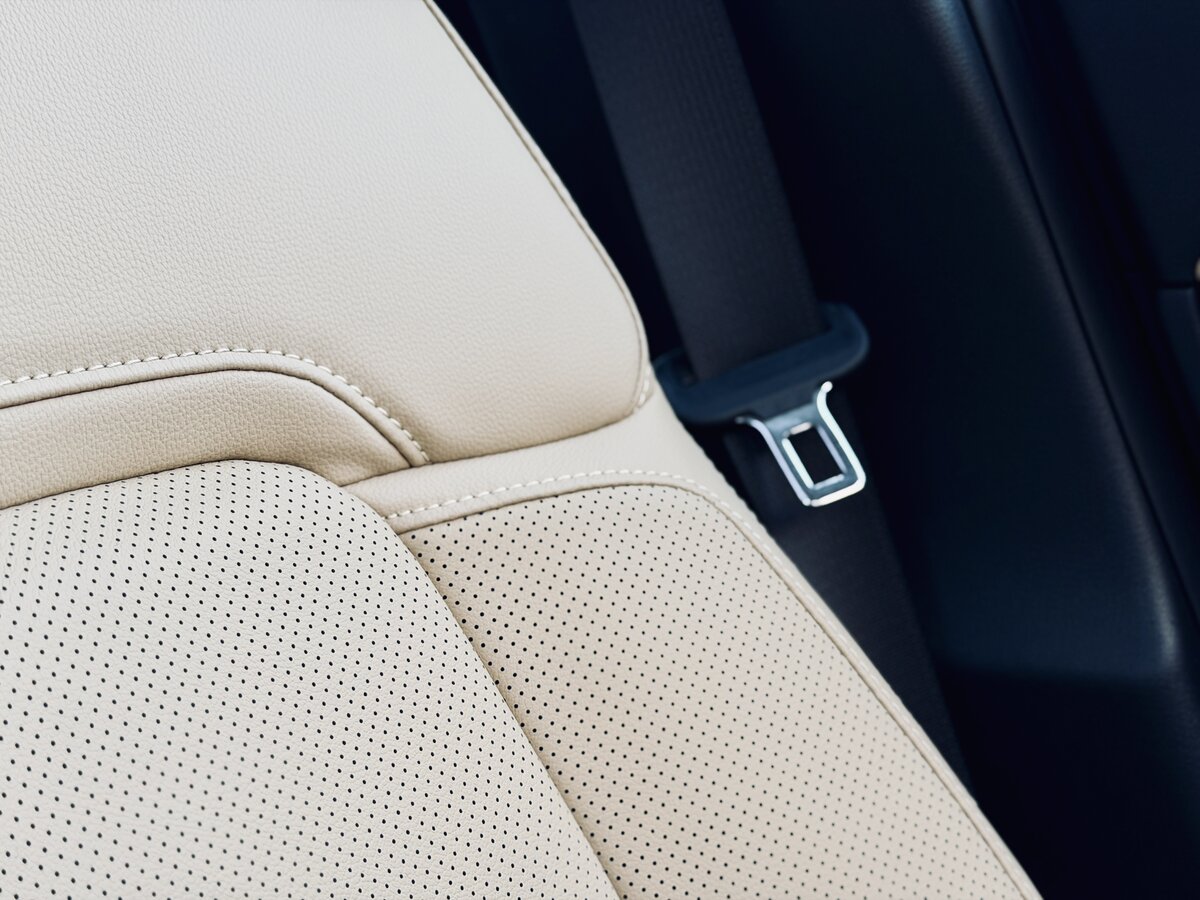
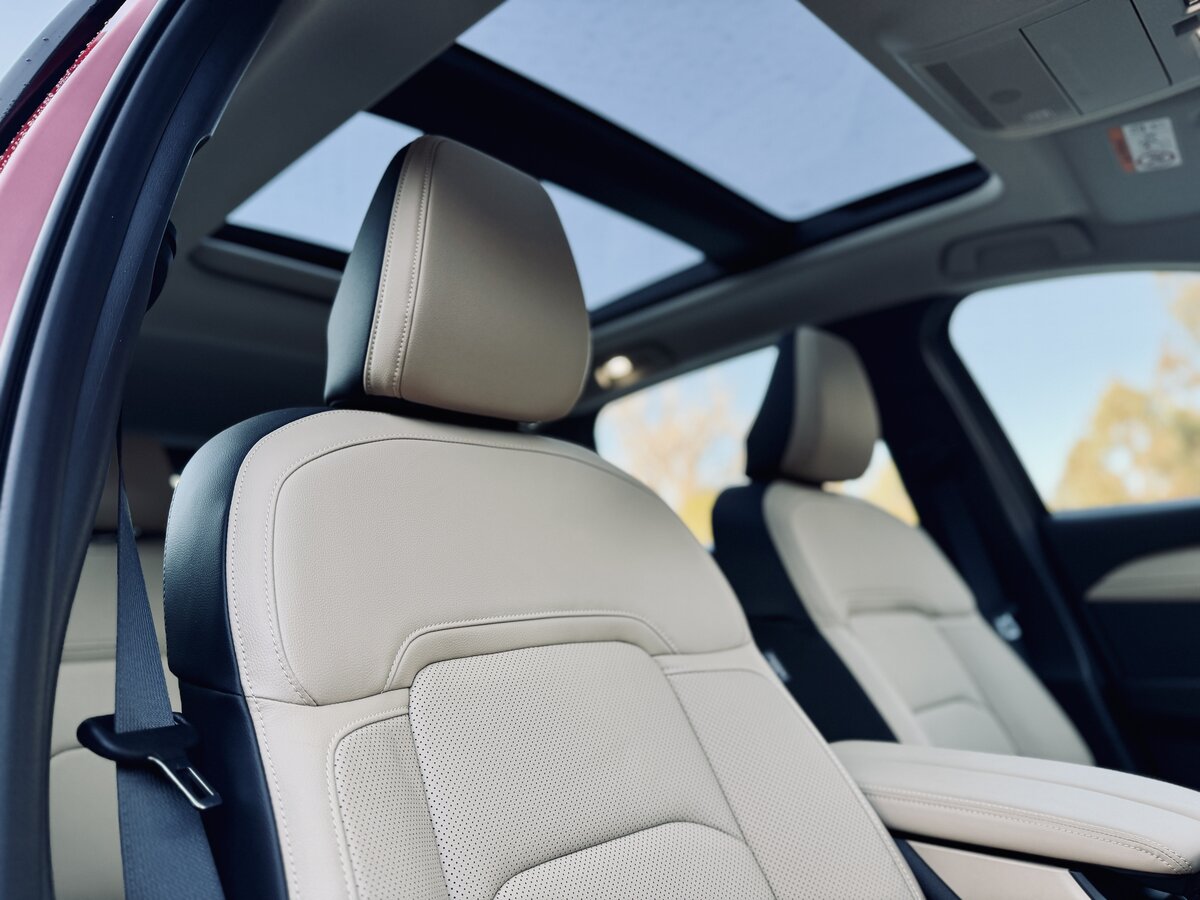
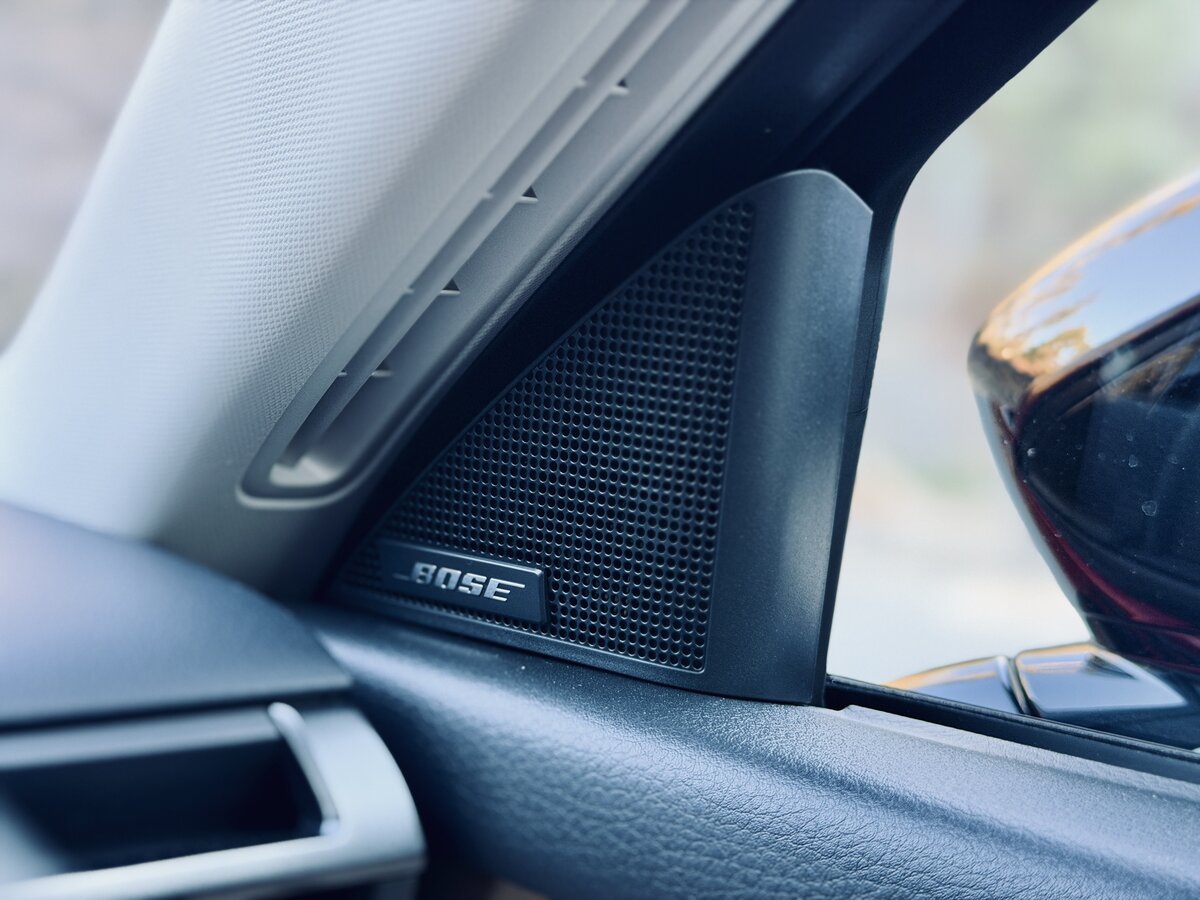
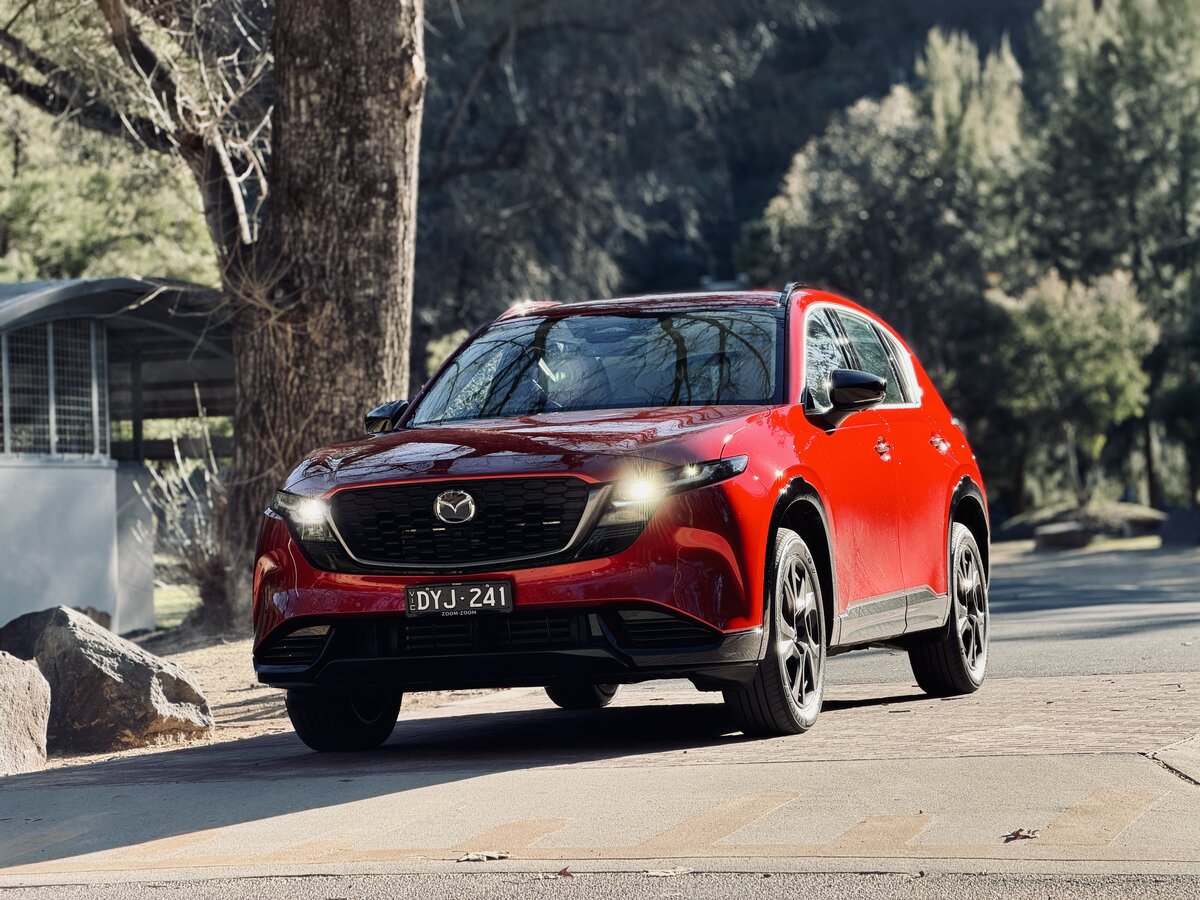
And particularly in the $54,990 Akera I've borrowed, with its beige and black leather and panoramic sunroof, it makes the RAV4 look like it was designed by a Soviet civil servant. And the Bose speakers sound like a live concert.
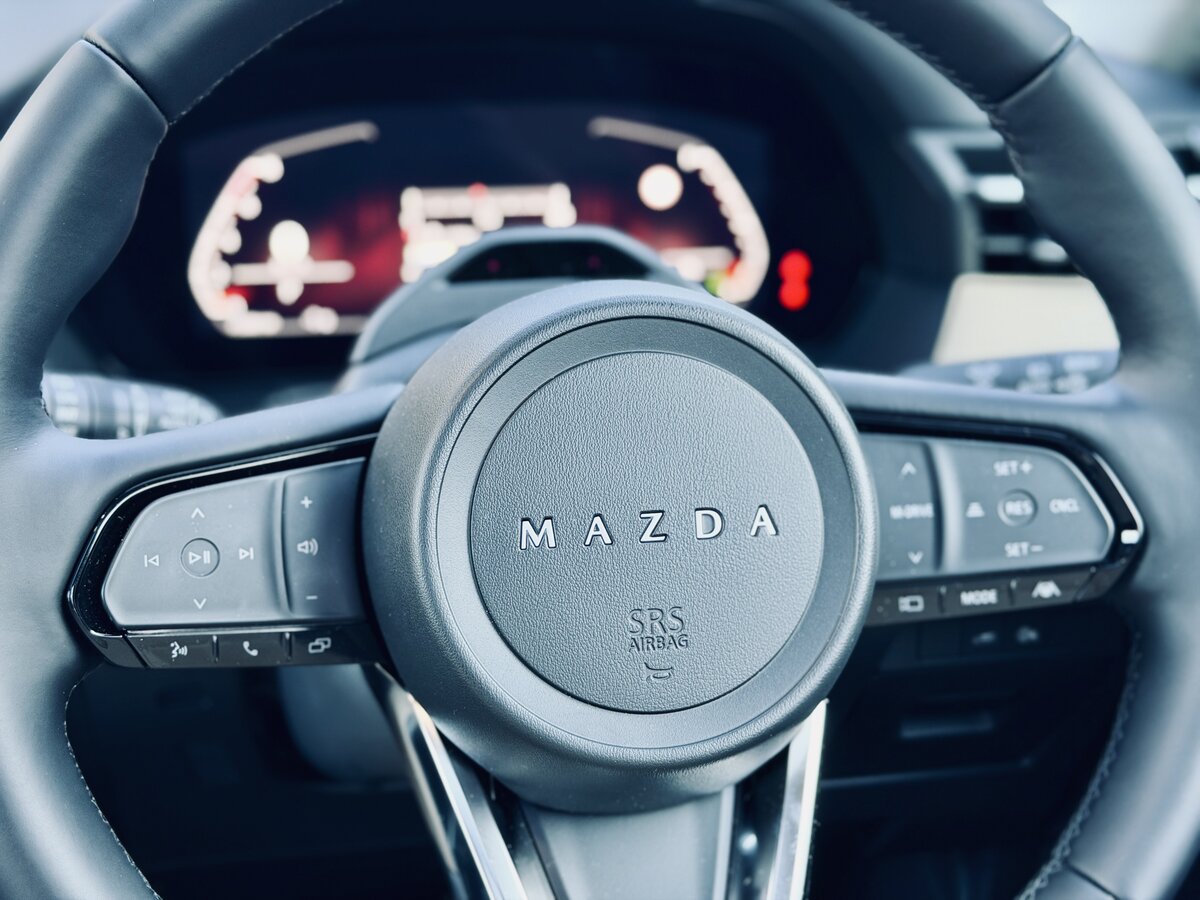
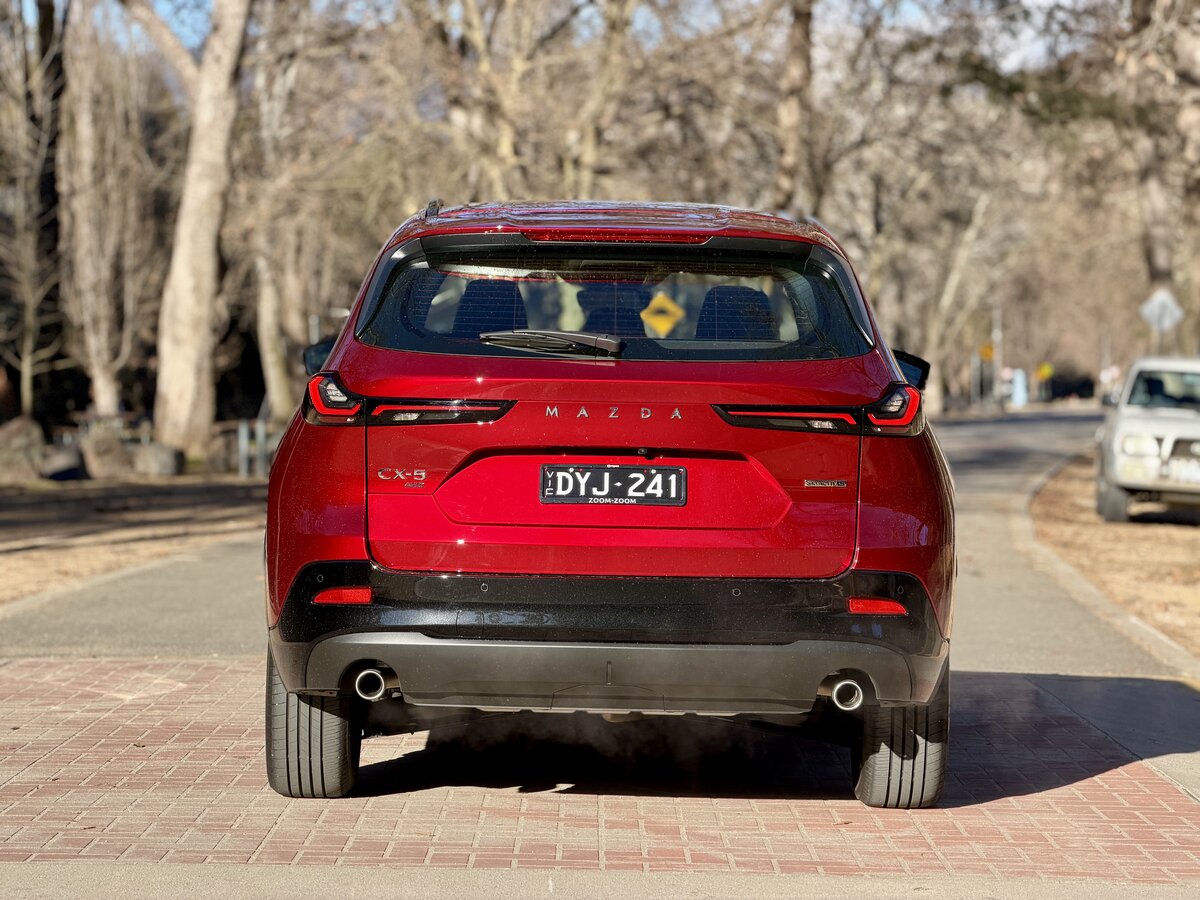
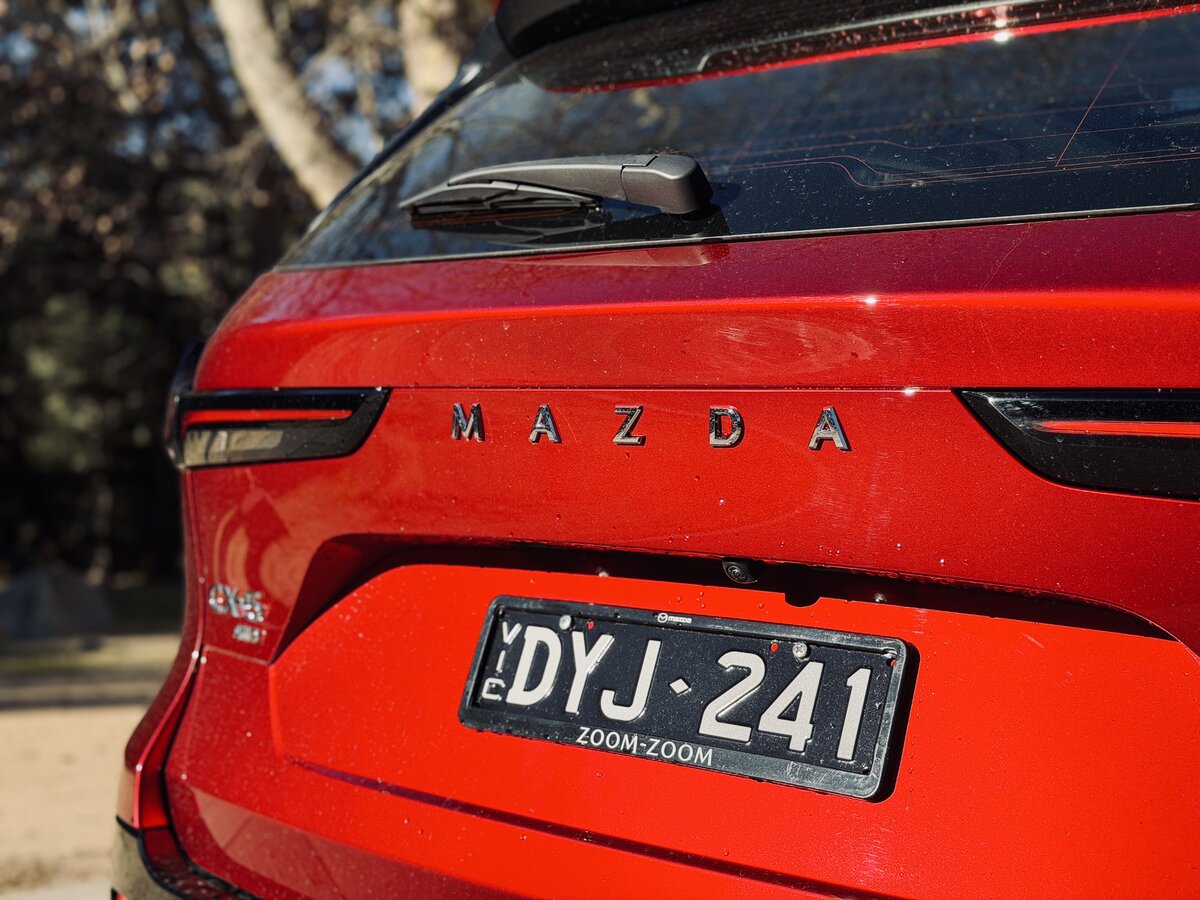
They've even spelt out "MAZDA" on both the steering wheel and the boot lid. That's like moving to Mosman right there.
What's it like to live with?
Tech changes aside, what about the Zoom-Zoom?
The 2.5-litre engine is as it always has been - quite noisy, not outstandingly powerful or efficient, but no-nonsense and predictable. Mazda claims average fuel consumption of 7.4 litres per 100 km, but mine was closer to 8.8.
A spirited drive along the Tidbinbilla and Cotter roads, however, reveals that yes, it's a family SUV first and foremost, but it's also not demanding you slow down and think of the children. The steering communicates with your hands. The chassis stays flat. And it has that subtle, nimble lightness that Mazda somehow injects into everything they build. You can genuinely enjoy it.
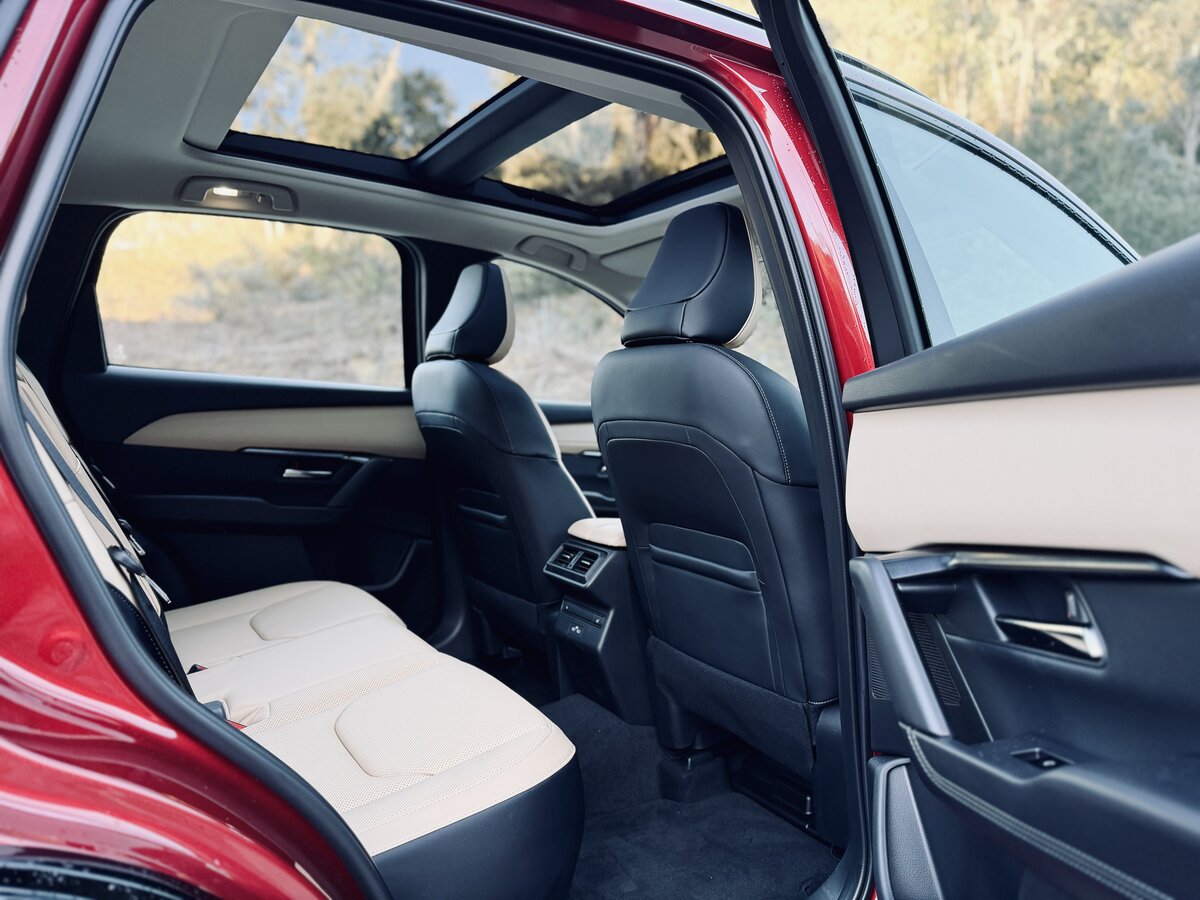
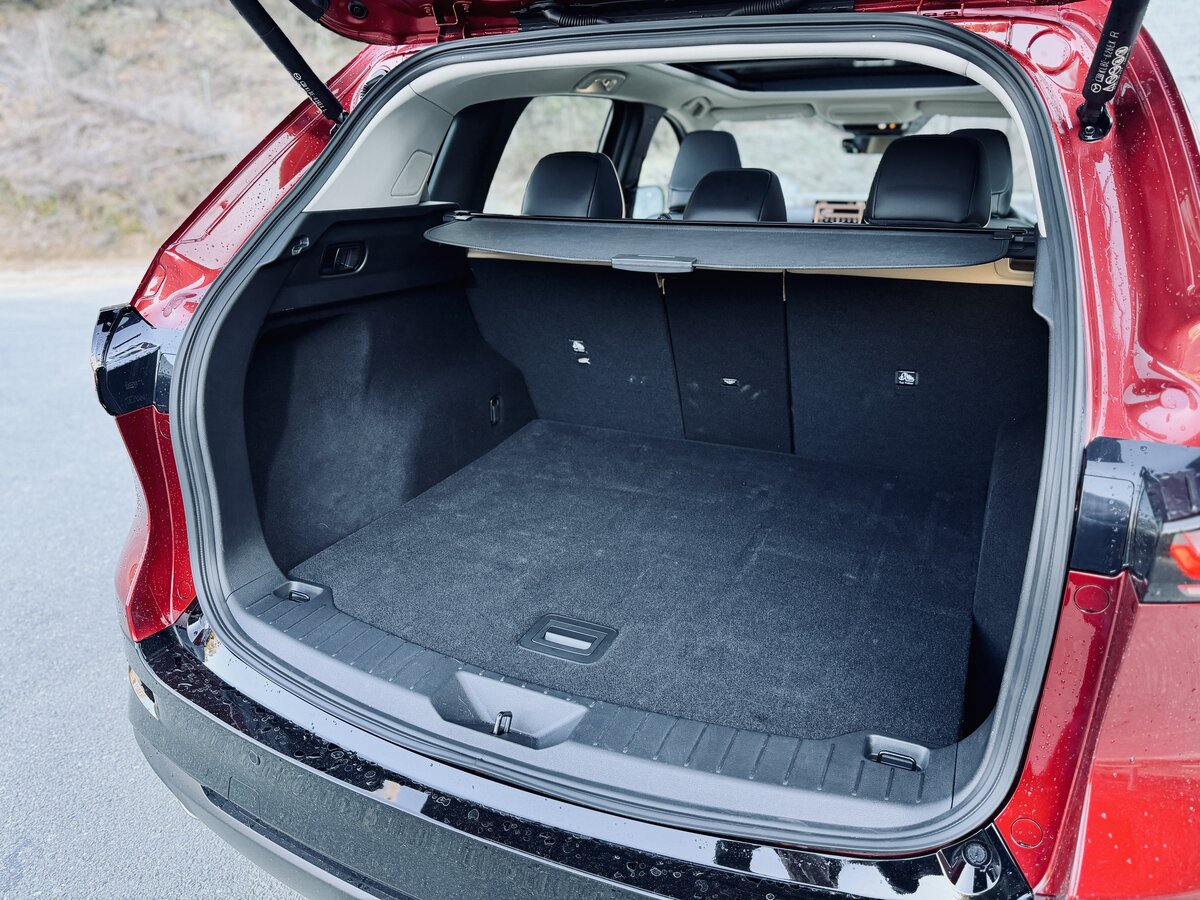
There's plenty of space, and - in this Akera model - heated rear seats.
The verdict
So what are we to make of it?
It is a bit annoying Mazda caved to peer pressure on the touchscreen. But because it's also still the best-driving, best-looking, and most beautifully made family crossover you can buy for under $60,000, I can forgive that.
One day, they might like to offer a hybrid version though. That engine, however tried and tested, might be the real weakest link.
Swipe or scroll sideways · 5 images
|
|