

{{item.Subject}}
Vehicle Spotlight
Learn about events, happenings and more
How BMW's best-looking face came about (no, not the kidney grille)
Tuesday, 27 October 2026 | James Coleman
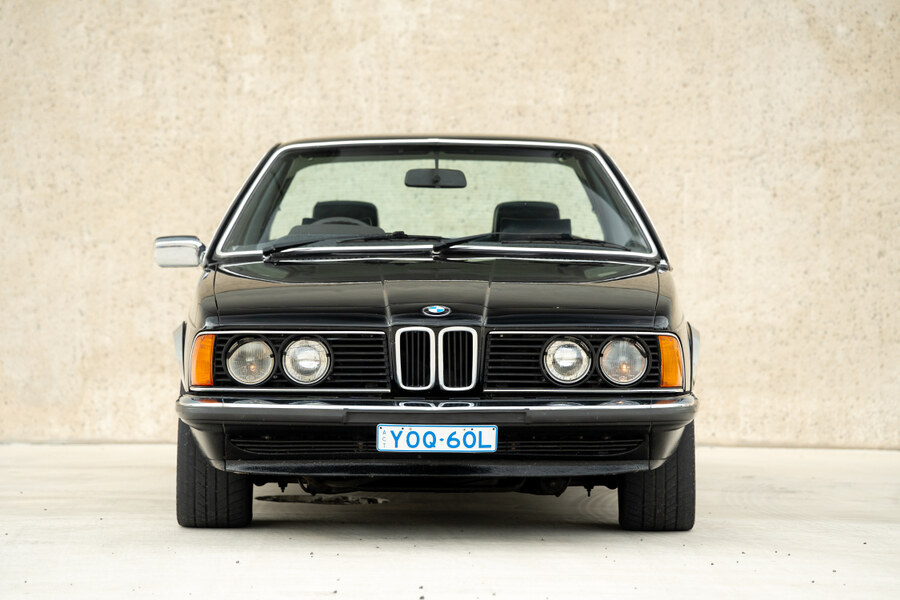
To make something slip through the air, you generally want to rake its forward-facing surfaces backwards as much as possible. Slick them back like Elvis Presley's hair.
Not if you were designing a BMW in the 1970s, however. "Lean that grille forward, baby", seemed to be the philosophy.
The result was one of the most distinctive faces in motoring.
BMW might be most famous for its kidney grille, which first appeared on the BMW 303 in 1933 and has been there ever since – even if the kidneys themselves have grown to proportions that would concern most doctors.
But there's another famous contribution BMW made to car design: the so-called shark nose.
And it's coming back.
But to remind us of the original, we've got a particularly handsome example in our November Unique and Classic Car Auction: a 1977 BMW 633CSi.
Here's the story behind one of motoring's most handsome faces.
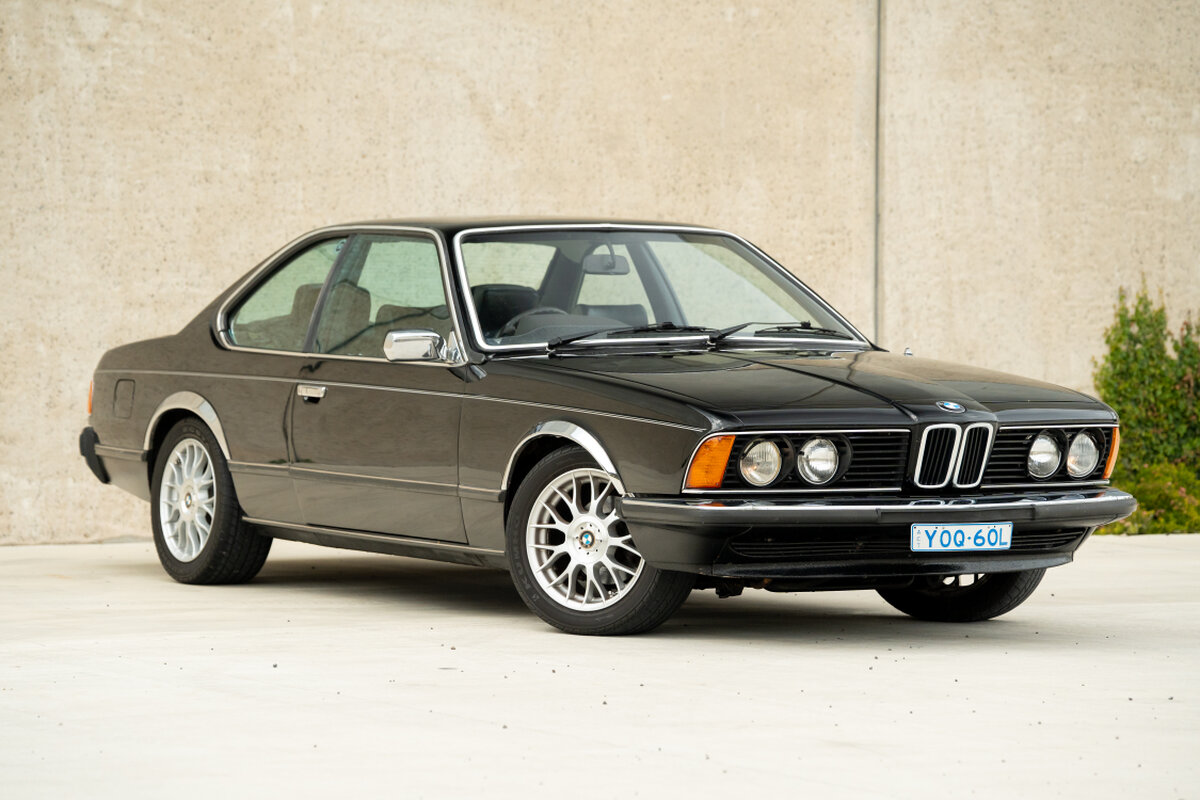
A thing of beauty - not something that's been said about BMWs for a while.
When BMWs started looking hungry
The origins of the shark nose go back to BMW's Neue Klasse sedans of the early 1960s, when the company was chasing a radical new design language to help secure its future, having narrowly avoided being sold to rival Daimler-Benz.
The look emerged under BMW design chief Wilhelm Hofmeister and became more pronounced on the beautiful E9 coupes, including the 3.0 CS and CSL.
But the man who arguably perfected it was French designer Paul Bracq, who joined BMW in 1970.
Bracq already had the Mercedes-Benz W113 SL on his CV, better known as the Pagoda for its slightly concave removable hardtop roof, resembling a traditional Asian temple.
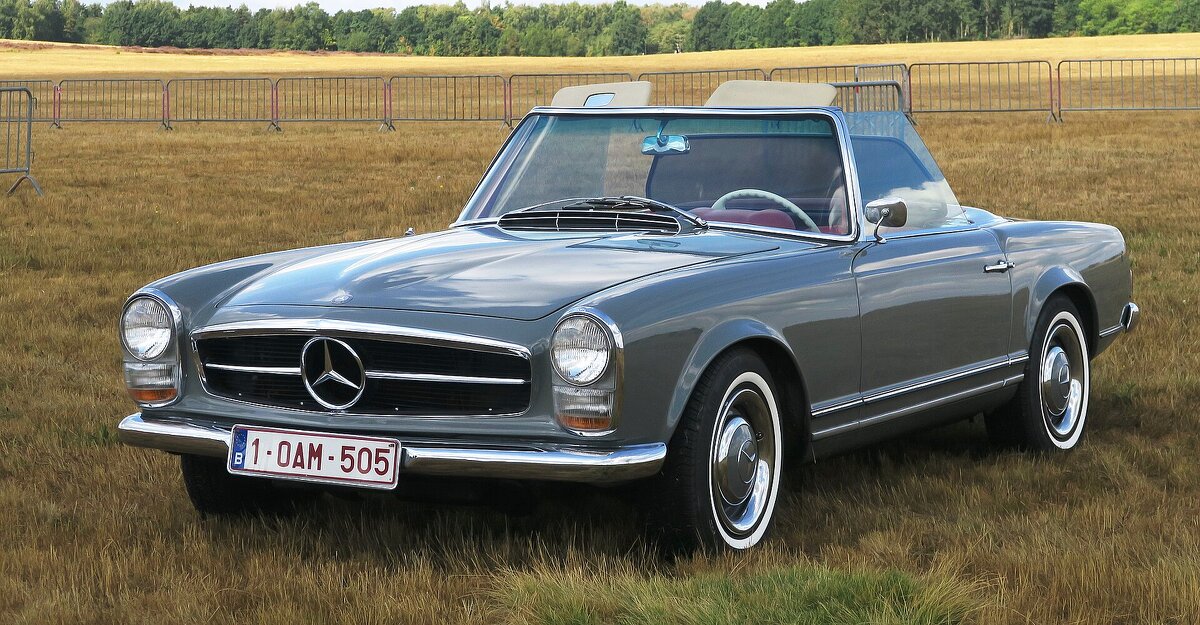
The Mercedes-Benz "Pagoda". Photo: Wikimedia Commons.
During just four years in Munich, he helped shape an extraordinary collection of BMWs: the original 5 Series (E12), 3 Series (E21), 6 Series (E24) and 7 Series (E23).
But it's the 6 Series that arguably got the best of his work.
Interestingly, Bracq also explored a flatter, more aerodynamic front-end treatment for the coupe. But BMW ultimately stuck with its established shark-nose identity.
Bracq left the company in 1974, leaving his colleague Manfred Rennen to help bring the E24 into production.
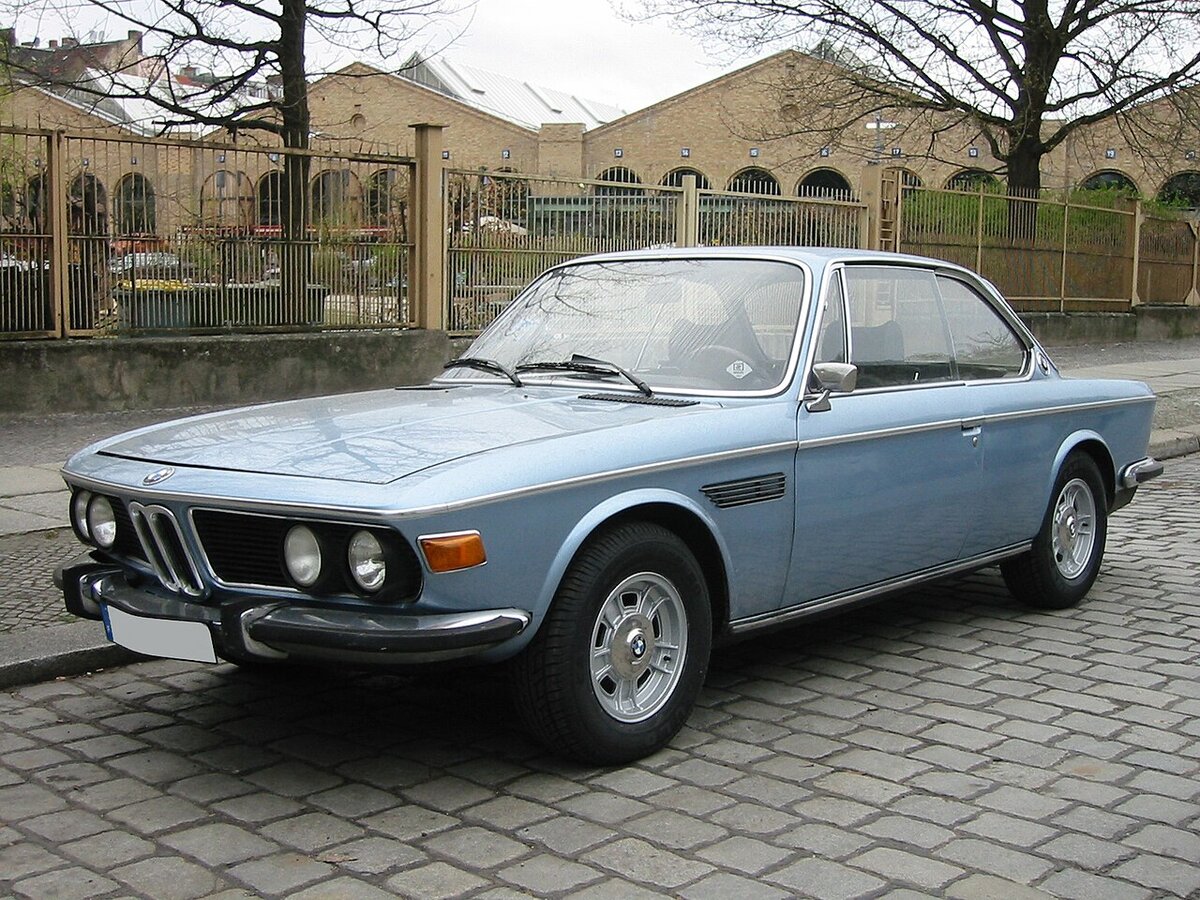
The E9, the first BMW to wear the shark nose. Photo: Wikimedia Commons.
The result arrived in 1976 with all those lovely hallmarks history has treated so favourably – a long bonnet, low roofline, slim pillars and a nose that looked ready to take a bite out of whatever was ahead.
Our 1977 633CSi is from the very beginning of that story. It was one of the original E24 variants, powered by a fuel-injected 3.2-litre straight-six.
And nearly 50 years later, it's still a remarkably handsome thing. Certainly better than a lot of modern BMWs.
Where did the shark go?
The E24 survived until 1989, eventually spawning the more powerful 635CSi and M635CSi.
But BMW's styling was already changing.
Designers had to accommodate increasingly demanding crash-safety regulations, including large, protruding impact-absorbing bumpers on US-market cars. Not exactly ideal when you're trying to make a car look sleek.
Meanwhile, aerodynamics were becoming a bigger consideration.
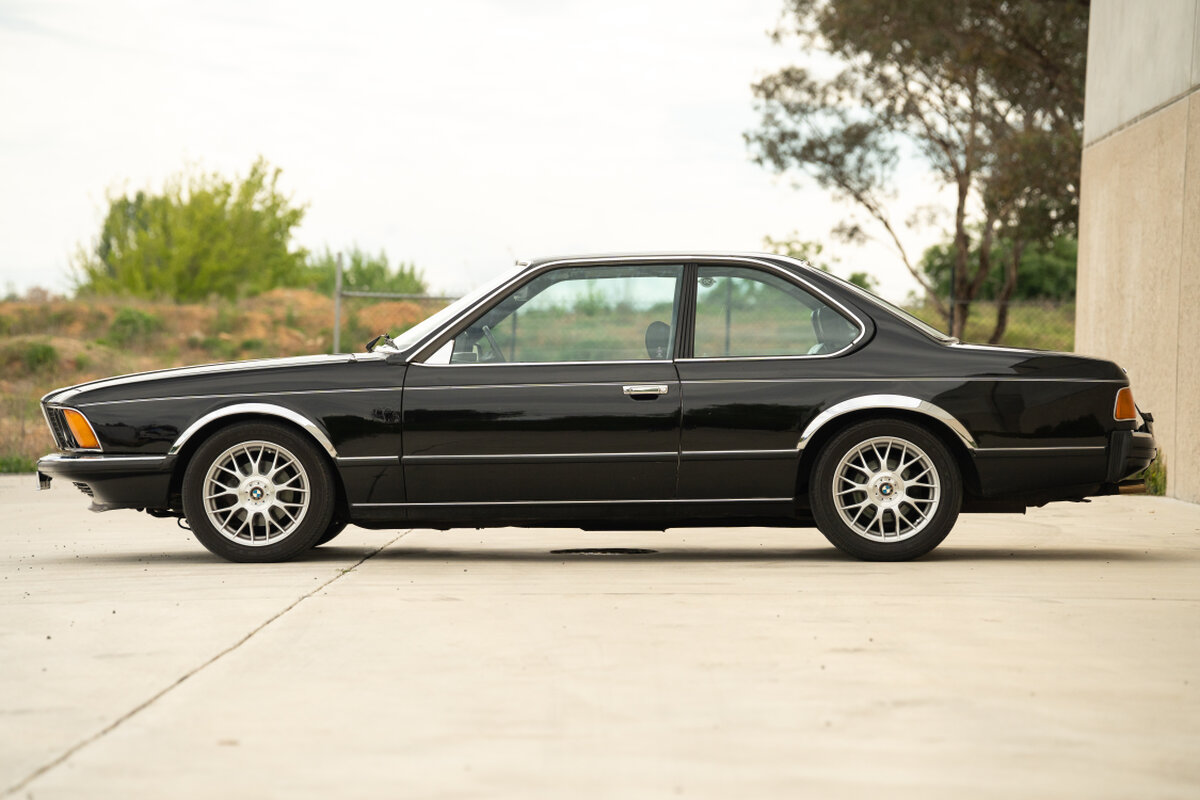
The raked face had fallen out of fashion by the 1990s.
During the 1980s, BMWs gradually acquired more upright, rounded and aerodynamically considered front ends. The E30 3 Series and later E34 5 Series were noticeably less pointy.
And when BMW's new 8 Series arrived in 1989, its low, sleek nose and pop-up headlights took the big coupe in a different direction altogether.
The shark nose wasn't banned exactly. It simply fell out of fashion as BMW's design language, aerodynamics and safety requirements evolved.
Until now, at least.
The shark returns
After seemingly playing a hideous game called "How big can we possibly get these kidney grilles?", BMW has gone back to its Neue Klasse roots.
Its new iX3 SUV and electric i3 sedan draw inspiration from the BMWs of the 1960s, with the wider new 3 Series range adopting the same design direction.
And BMW isn't shy about acknowledging the resemblance.
“The shark-nose front is dynamically inclined towards the road, reinforcing the vehicle's overall sporty appearance,” BMW said when unveiling the new electric i3 sedan in March 2026.
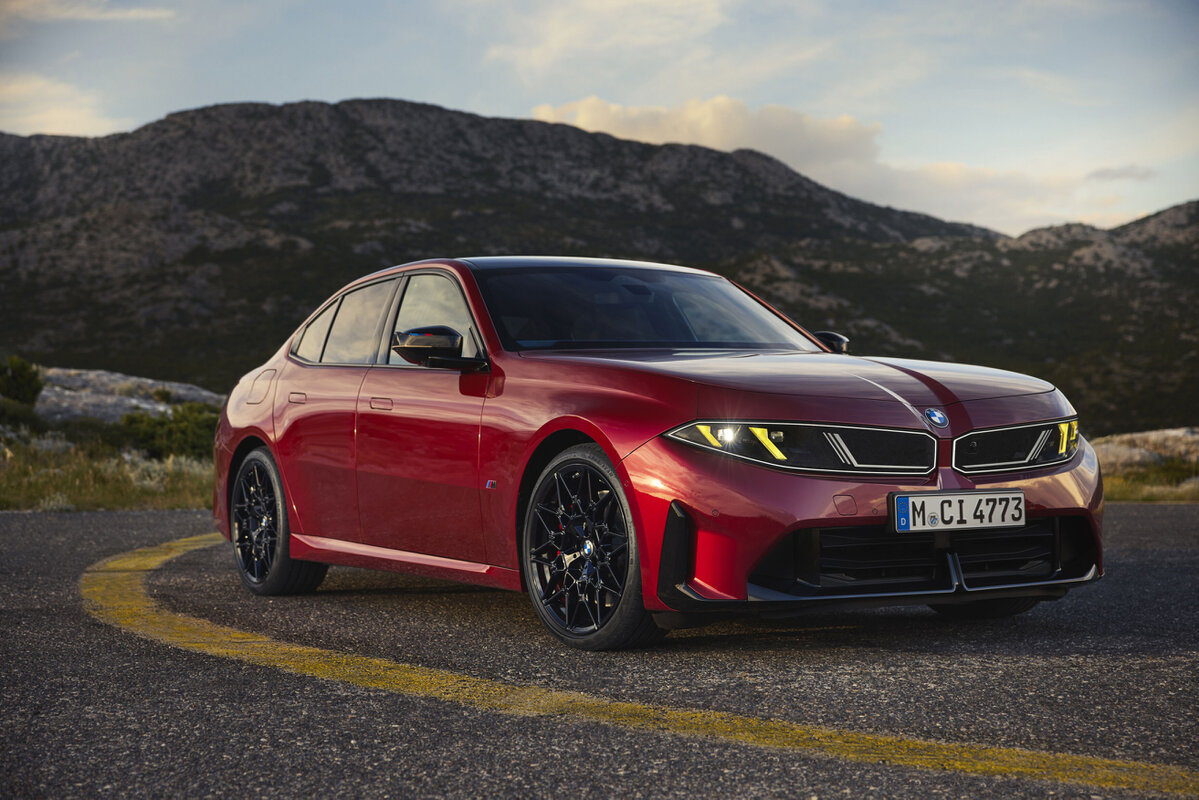
The shark nose is making a comeback on the all-new BMW 3 Series. Photo: BMW.
So yes, the shark is officially back.
The Vision BMW ALPINA concept, unveiled in May, goes even further, borrowing heavily from the E24's pointed front. BMW even displayed an original 6 Series alongside it to show they were serious about it.
Interestingly, nowadays, pedestrian-safety regulations aren't the biggest obstacle to bringing the design back.
According to BMW designer Maximilian Missoni, the harder part is squeezing modern cameras, radars and driver-assistance sensors into that distinctive nose without spoiling it.
“The shark nose is fine [from a safety regulation perspective]. As it turns out, the biggest challenge is all the driver-assist sensor systems, all the cameras, radars, and laser scanners,” he said.
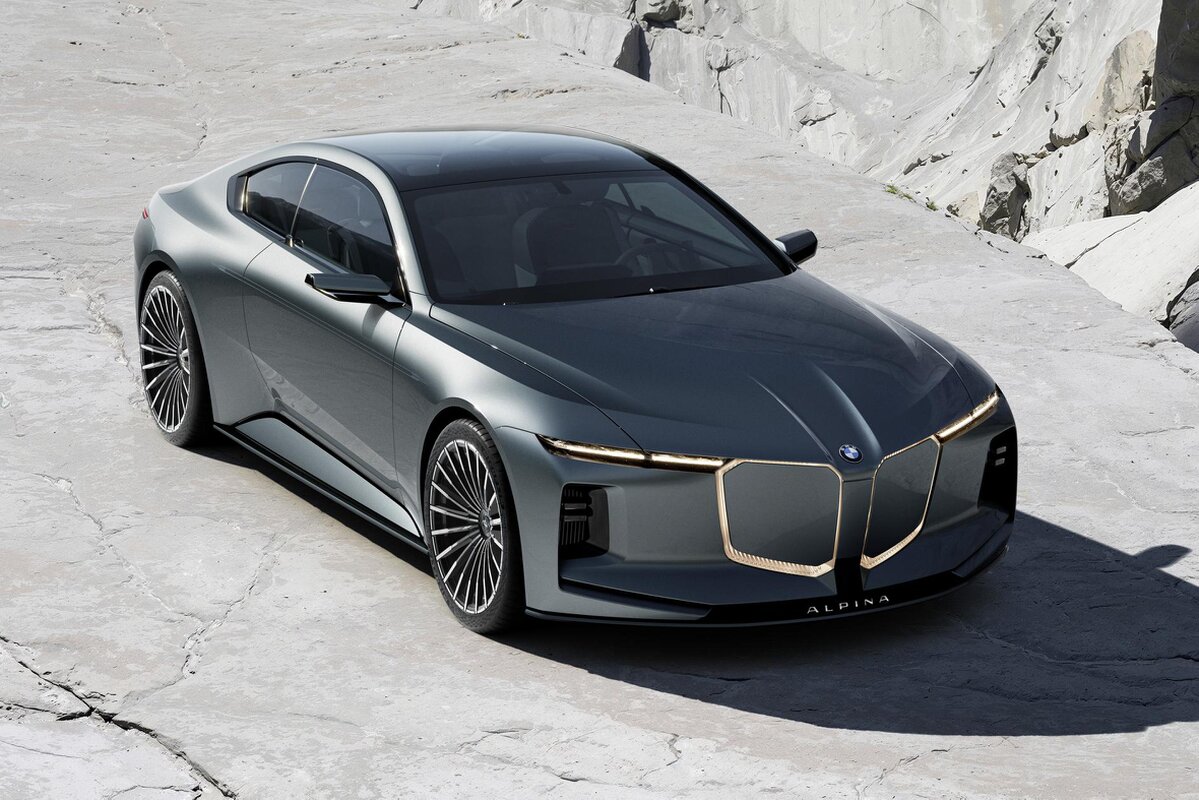
On the Vision BMW Alpina concept, that grille even fed a 4.4L twin-turbo V8. Photo: BMW.
“Integrating all these components is, I would say, from an exterior point of view, the biggest challenge of our days.”
Something designers in 1977 didn't have to worry about.
But while BMW works out how to give its future cars a familiar face, you can buy one of the originals.
Our 1977 BMW 633CSi is online now as part of the November Unique and Classic Car Auction, with bidding closing Wednesday, 4 November.
|
|