

{{item.Subject}}
Advice
Learn about events, happenings and more
Selling a car? How hard can it be? Not hard at all - if you remember these key points
Thursday, 02 July 2026 | James Coleman
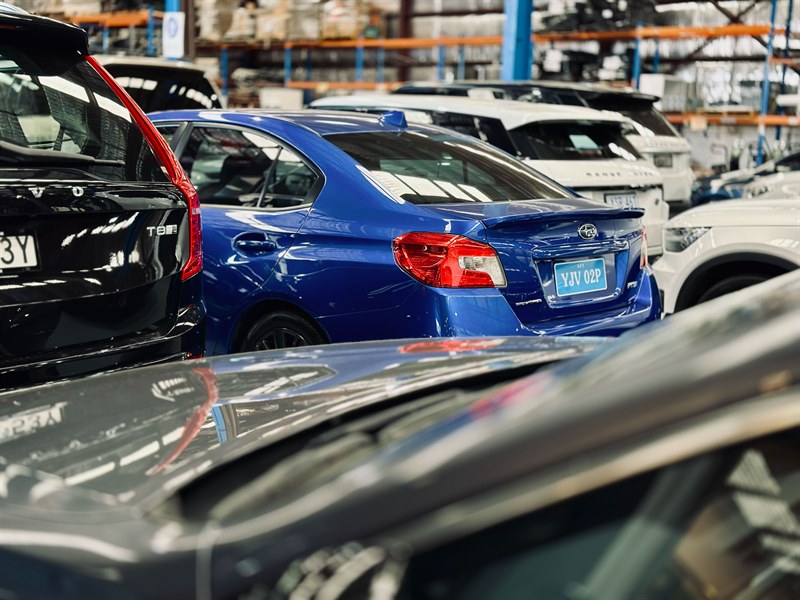
We've all been there - scrolling Facebook Marketplace, trying to make out the details of a car through a phone camera lens the owner seemingly dunked in Vaseline three years ago and hasn't cleaned since.
As for the description? What description? Or it's been pumped out by AI and includes generic lines about how it would "make a perfect first car with features like..."
Meanwhile, there's absolute crickets on service history. Or how much life there is in the tyres. Or whether it's even registered.
Selling cars is like beer pong. Everyone thinks they can smash it. Until they're halfway through and can't remember why it was a good idea.
But if you're keen to give it a red-hot go yourself, here is what we've learnt here at CARBIDS after doing it for years.
Describe, describe, describe
The more, the merrier applies to a lot of things, and it's absolutely true here.
Before dropping thousands on one of life's biggest purchases, a prospective buyer wants to know as much as possible. But that's not to say you should pump your listing full of AI fluff. We want the most important details front and centre, simple and punchy.
The basics: How many kilometres are on the clock, what engine and gearbox it has, its key features. The history: When you bought it and what you've done to it since.
And the honest truth: Include any notes about minor damage, warning lights on the dash, or strange, inexplicable noises. It certainly saves an awkward conversation later if the buyer turns up for an inspection. You don't have to be a qualified mechanic - just tell it how you see it.
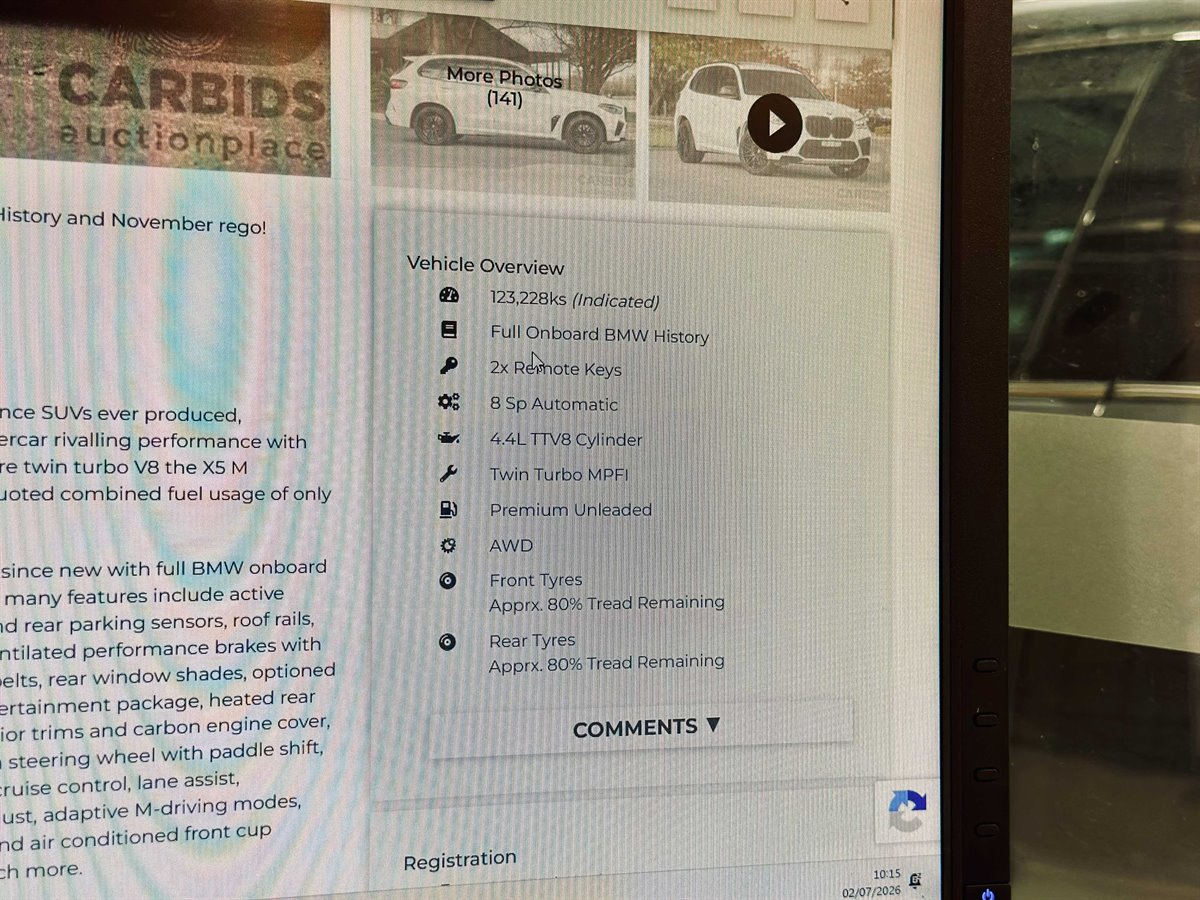
An example of the vehicle overview on a standard CARBIDS listing. Photo: James Coleman.
On that note, adding a rough location is a great idea so people know whether it's worth the trek to come and see the car. Don't post your exact street address or GPS coordinates first up, but mentioning a suburb or general area helps guide them.
Should you include why you're selling? Maybe, but don't clutter the listing with a life story about how your partner left you and your job didn't pan out. Blah, blah, don't care, TL;DR.
Moving overseas, upgrading to a new model, or personal financial reasons are all fine, genuine reasons that reassure the buyer the engine isn't about to catastrophically drop its guts.
Give it your best shot
Think about it: when picking your LinkedIn profile image, do you upload your passport photo? Or do you press your best suit, choose a time of day with great lighting, painstakingly pick a background, and try a few different angles?
It's the same with a car. No one wants the minimal effort of a post-office passport photo. They want crisp, well-lit, nicely staged photos.
You're not trying to hide anything, or necessarily polish a turd. You're just making your car stand out. In fact, if there is damage - especially something you've dutifully mentioned in the text - show it clearly.
Watch some YouTube tutorials if you need a bit of guidance, or check out some of our listings to see how we capture all the angles.
And for goodness' sake, wipe your phone camera first.
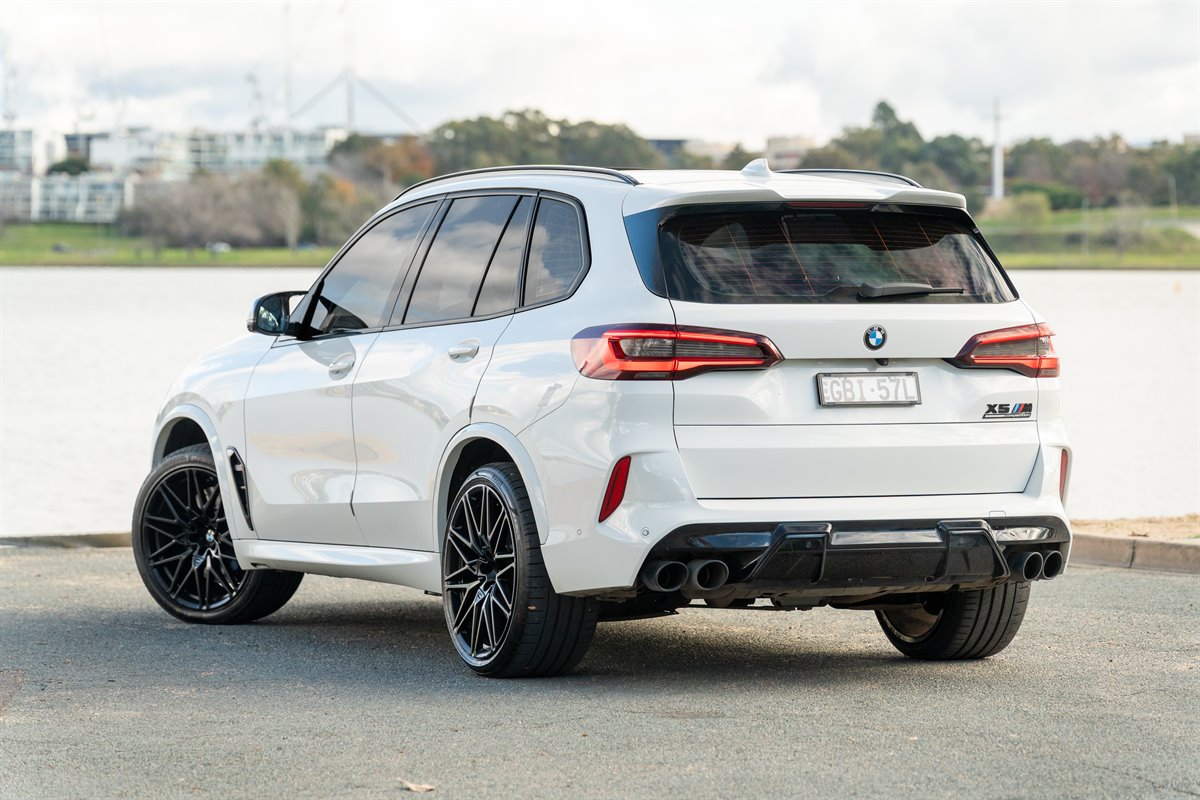
A BMW X5 M Competition, looking its best. Photo: CARBIDS.
Do your paperwork
A service history is non-negotiable.
It's always a good idea to stow away receipts for anything you do to your car - from the usual logbook services to a new battery or fresh tyres. It makes a massive difference to your final sale price. Putting "no service history" in a listing is akin to adding "comes with dog dirt smeared into the seats".
Make sure you have a signed copy of the transfer of ownership ready to go (usually on the reverse side of your registration certificate) too - the buyer will need this to transfer registration.
Some sort of bill of sale is typically required by government shopfronts too - basically a receipt that acts as official proof of purchase for the new owner.
Pick a price
Establish the lowest amount you're willing to take for the vehicle, but be realistic.
The market won't always deem your pride and joy as precious as you do. Damage, a lack of recorded maintenance, or expensive upcoming service items will all seriously affect the final price.
And remember, as a private seller who can't offer dealership protections like a warranty, the price a dealer charges for the same car isn't a good metric of what you'll get.
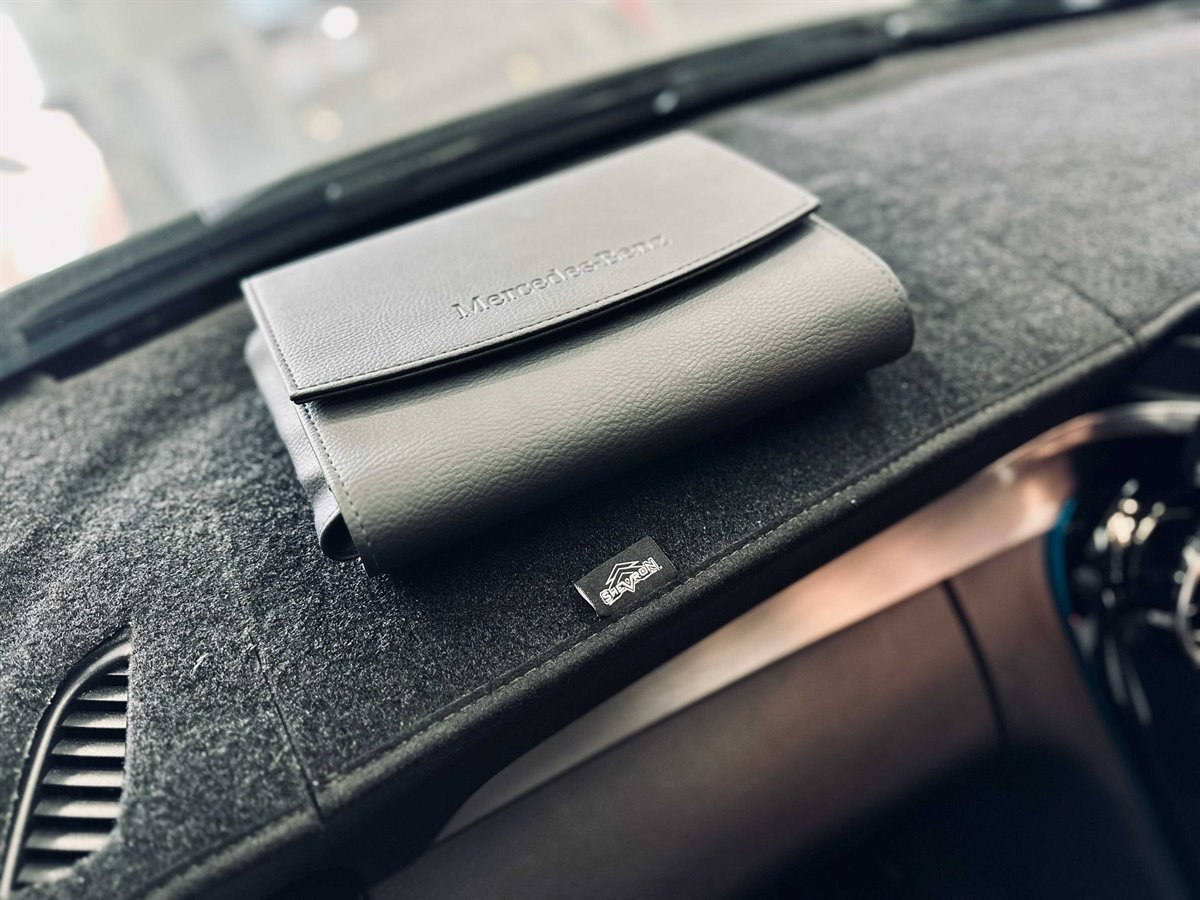
A buyer wants to know how you've looked after the car - and this little booklet helps immensely here. Photo: James Coleman.
Be responsive
Okay, we'll make an exception for the lazy myriad of "Is this available?" tyre-kicking messages. But when someone sends a legitimate enquiry, get back to them ASAP.
Providing specific, detailed responses to the best of your knowledge builds massive buyer confidence, and your chances of walking away with a better price skyrocket.
Just don't bother posting a listing and then jet-setting off to the ends of the earth for the next three months.
You're set - happy selling!
But if all this still sounds like too much hard work, that's exactly what we exist for.
We'll take care of the professional photos, write the description, and handle the tyre-kickers while you sit back and relax. At the close of the auction, we'll deposit the sales amount straight into your bank account.
Visit Sell With Us for more information on the process. We offer different packages tailored to your requirements.
Have we missed anything?
|
|