

{{item.Subject}}
Industry News
Learn about events, happenings and more
So, Tesla has made a car that can fly. Good luck ever getting one in Australia
Tuesday, 20 October 2026 | James Coleman
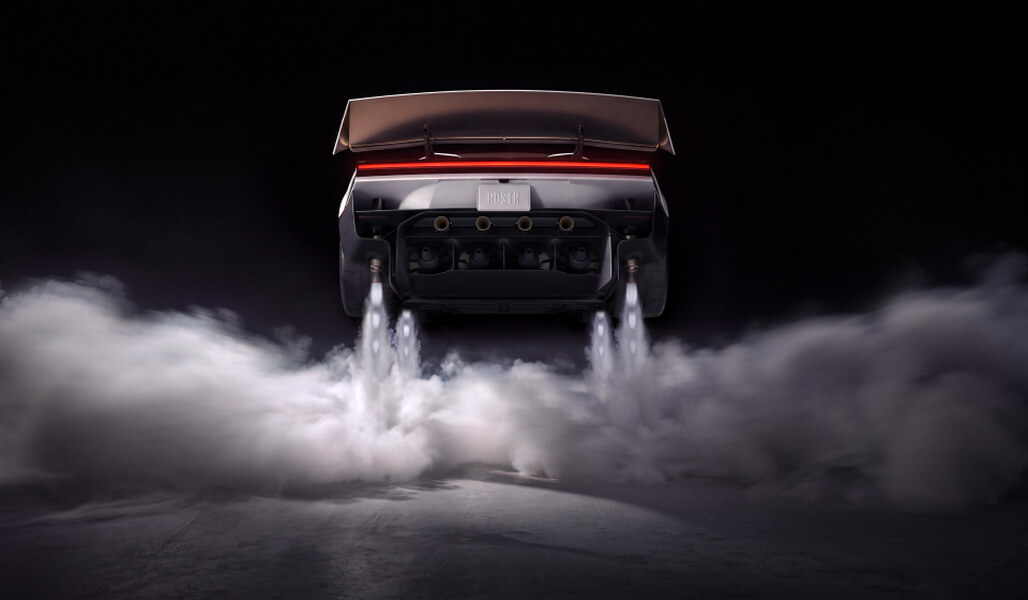
So, Elon Musk has finally unveiled the new Tesla Roadster. Again.
First shown back in 2017, the electric sports car was meant to enter production in 2020. Deposits of tens of thousands of dollars were even taken. And only now, six years later, Tesla has demonstrated a completely new version that can apparently accelerate to 97 km/h in less than a second, drive upside down, and even fly.
Well, sort of. You've seen the videos from the event in Texas last week - the prototype using its rocket-style thrusters developed with Musk's SpaceX to lift itself off the ground and jump over other cars, GTA-style.
And there's no doubt it's downright cool. And had every right to blow up the internet the way it did. But there are a few problems - particularly if you're imagining how you might be able to leapfrog traffic jams in it here in Australia.
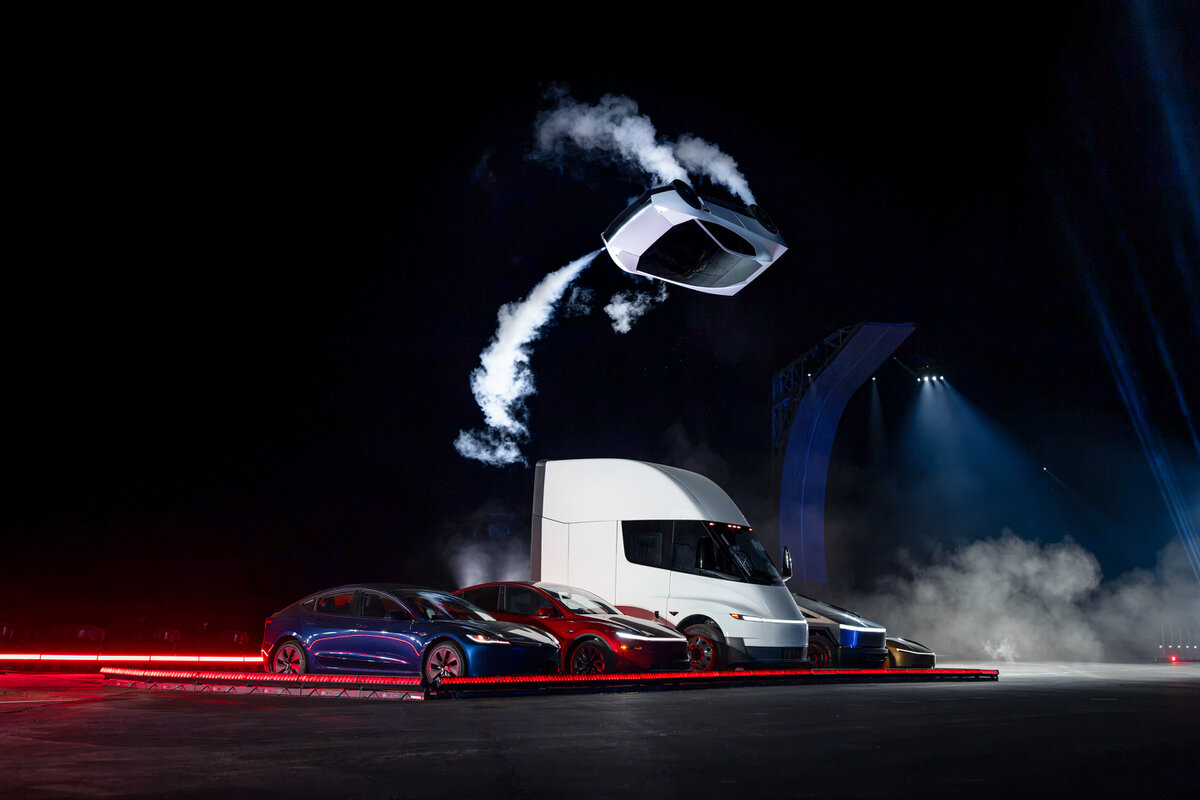
Over 80 kilonewtons (kN) of cold-gas thruster force at work.
Three Roadsters, one with rockets
Tesla has announced three versions of the Roadster: Performance, Thrust and Rocket.
The two-seat Performance is the conventional one, relatively speaking. It uses electric motors, active aerodynamics and fans underneath to suck the car towards the road. Tesla claims the system produces enough downforce to hold it upside down, even when stationary (Google "McMurtry car Goodwood Festival of Speed" to see just how amazingly this tech can work).
The Thrust adds rear-mounted compressed-gas thrusters, using similar technology SpaceX's returning rockets. Rather than burning rocket fuel, though, the system releases highly pressurised nitrogen to give extra oomph to the acceleration.
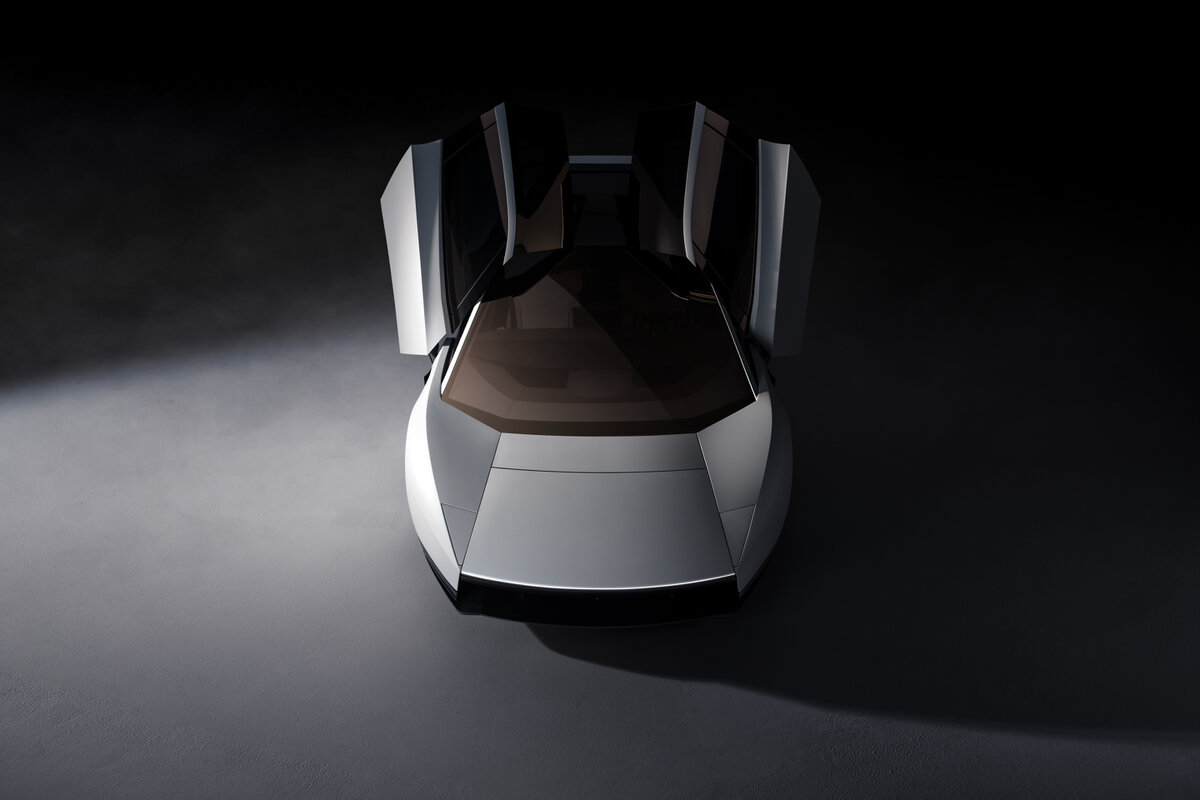
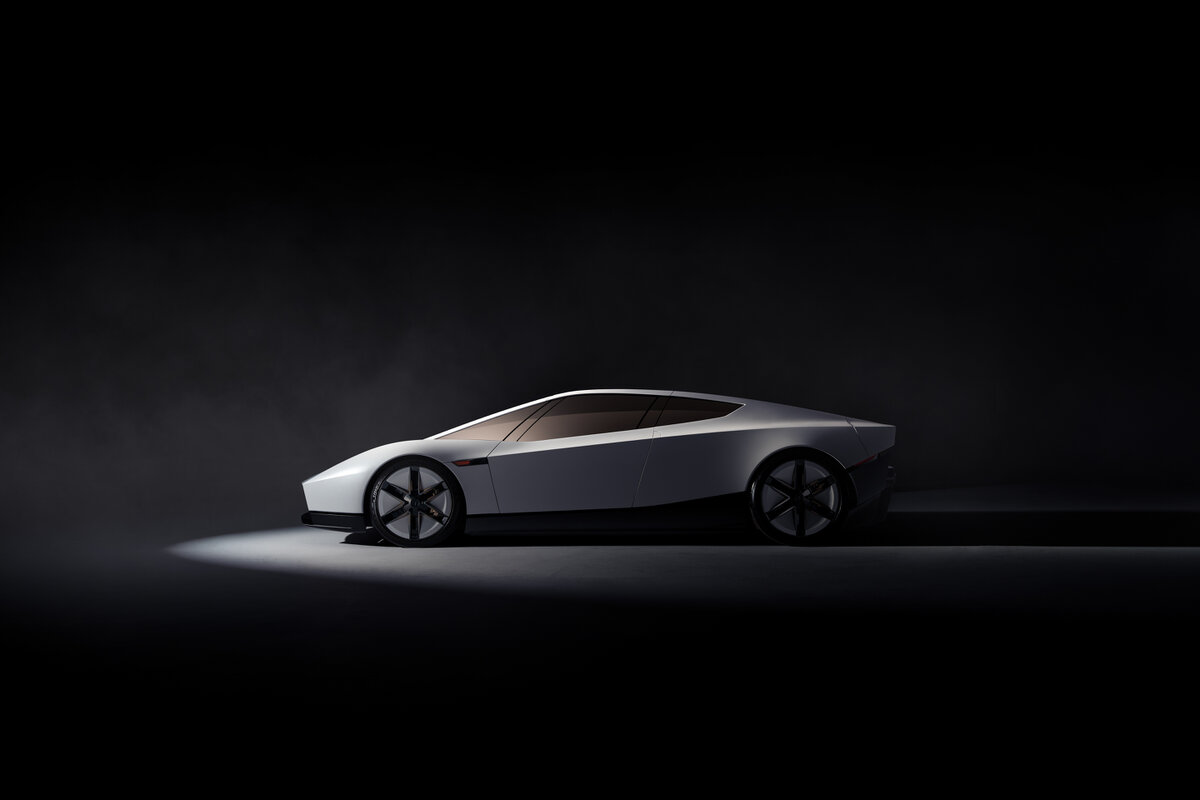
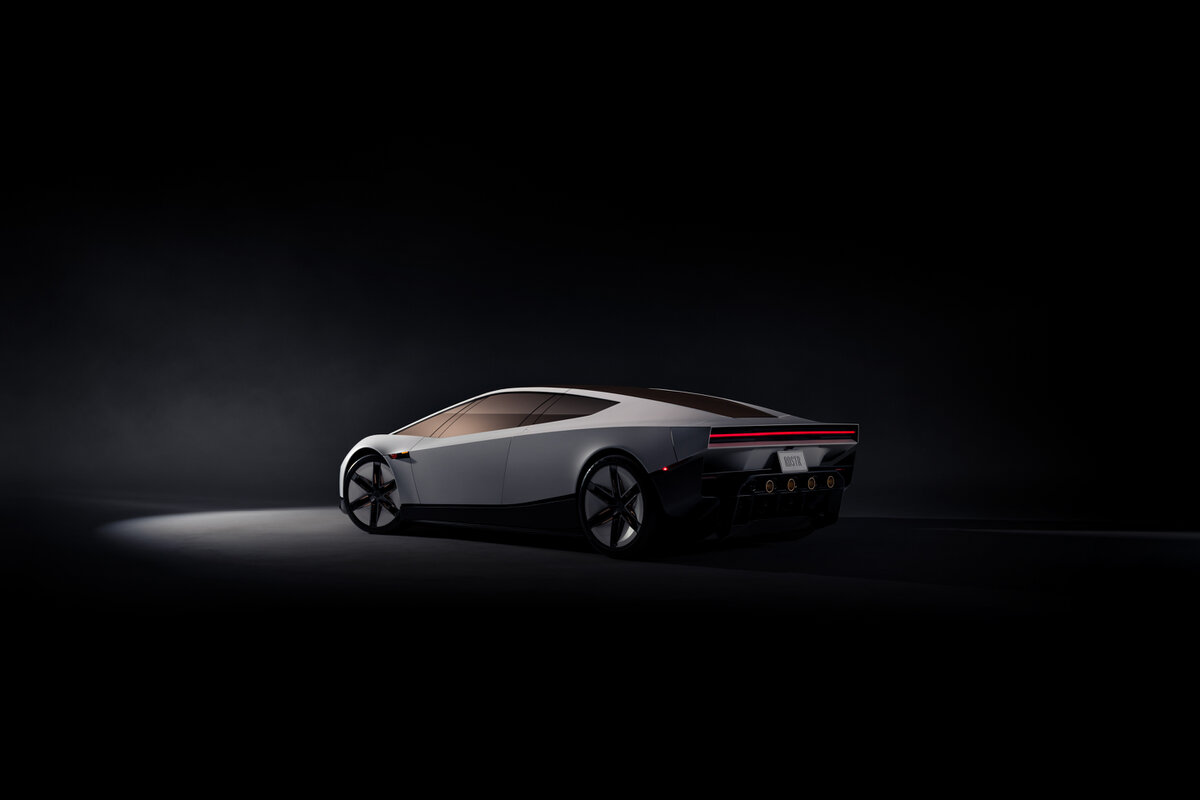
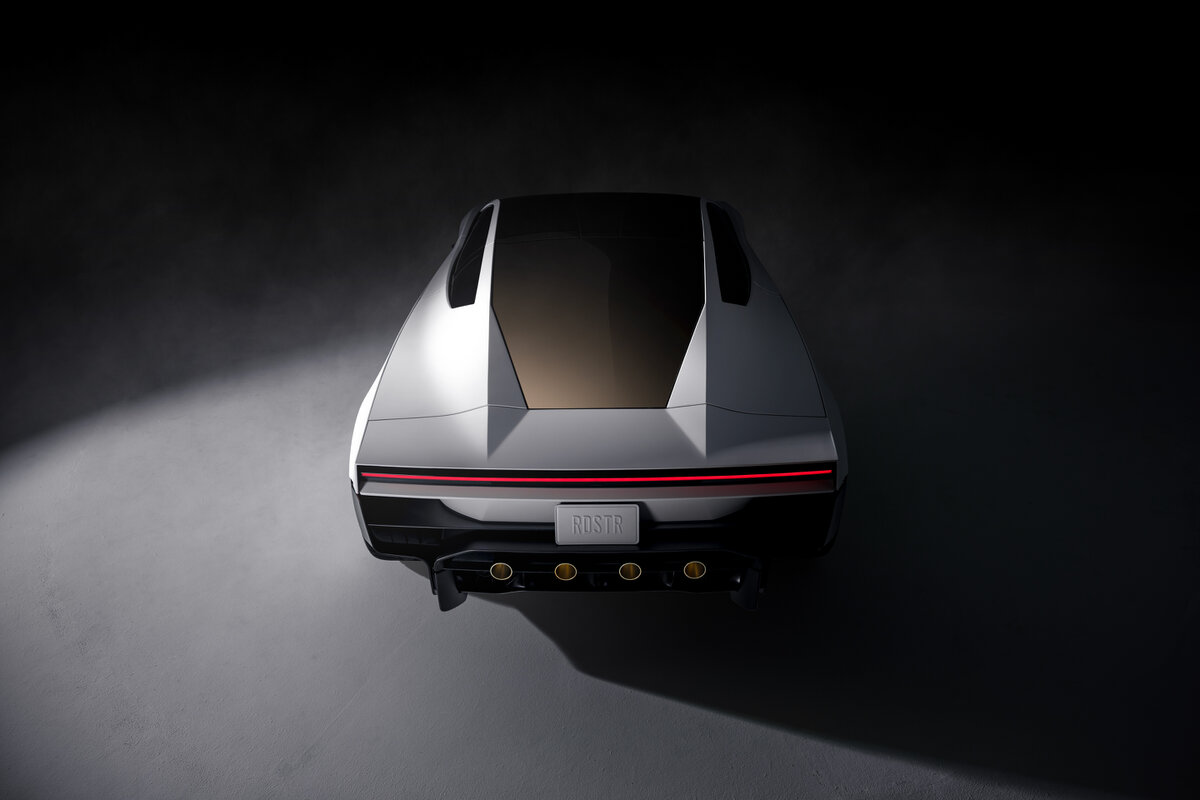
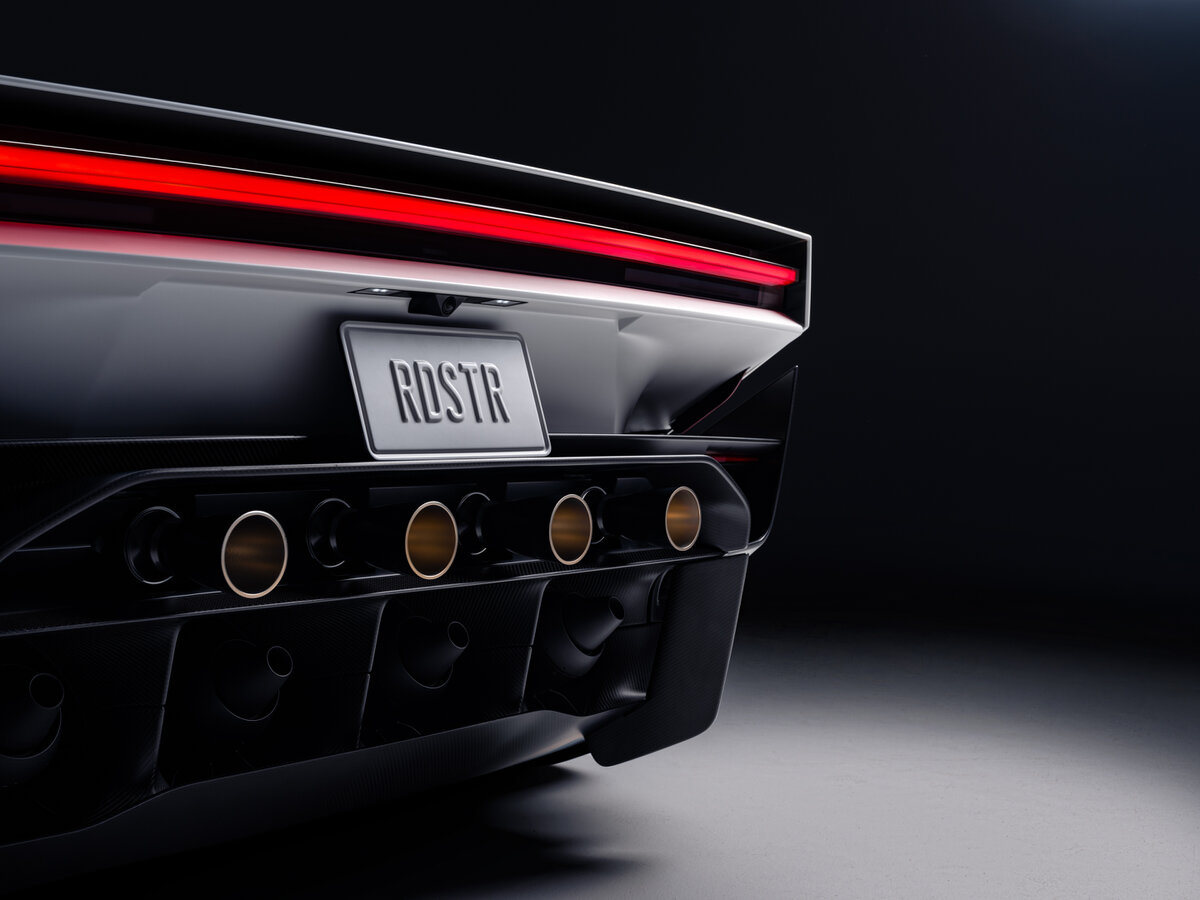
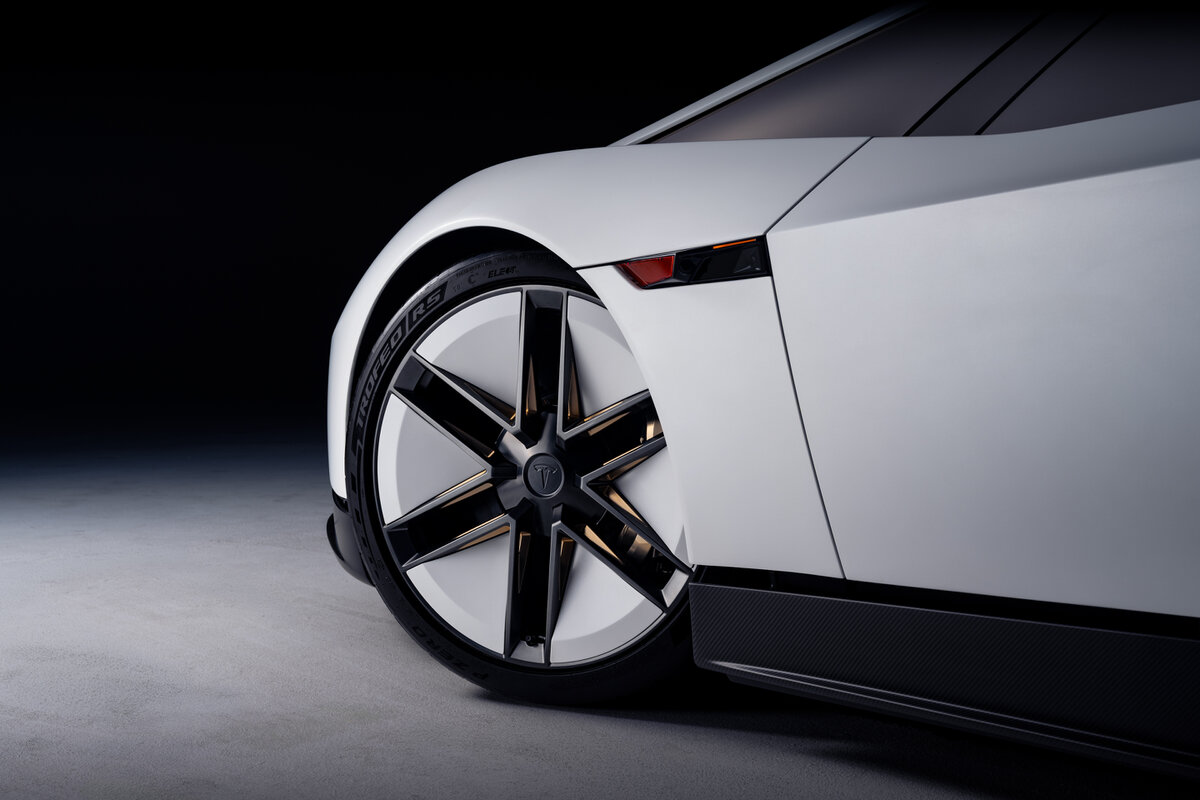
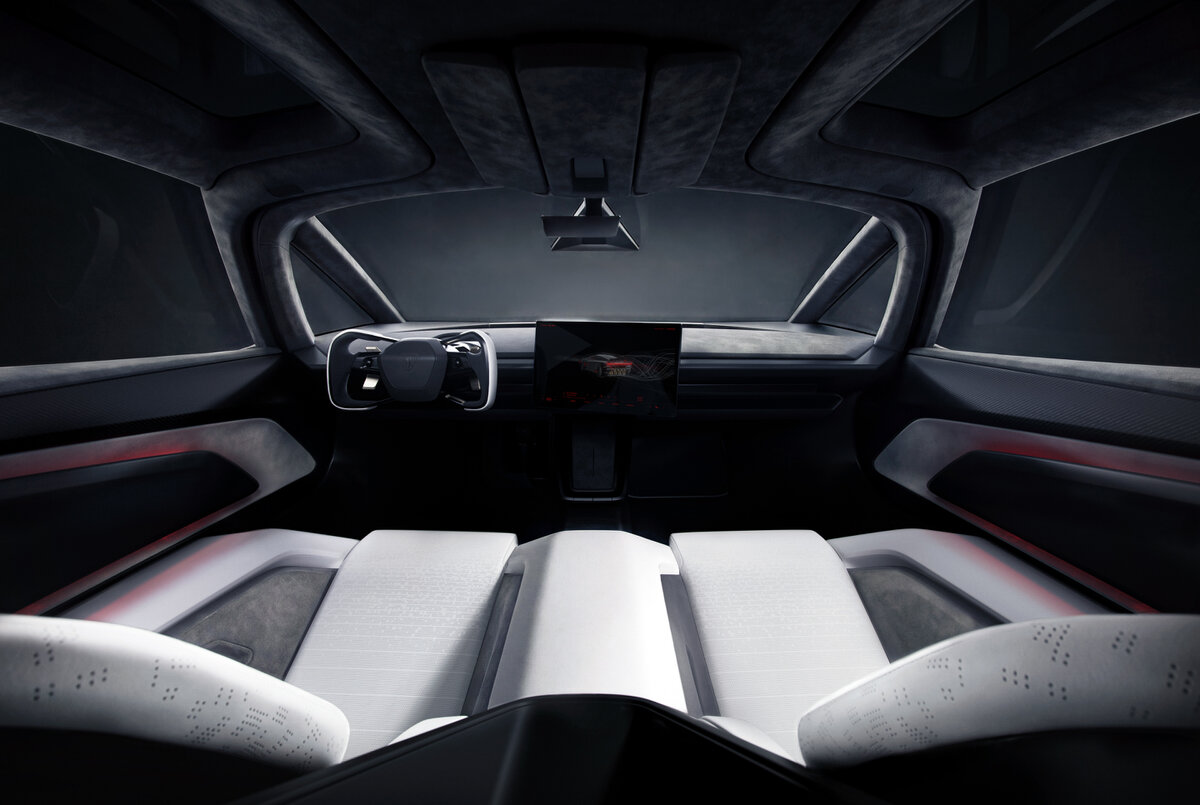
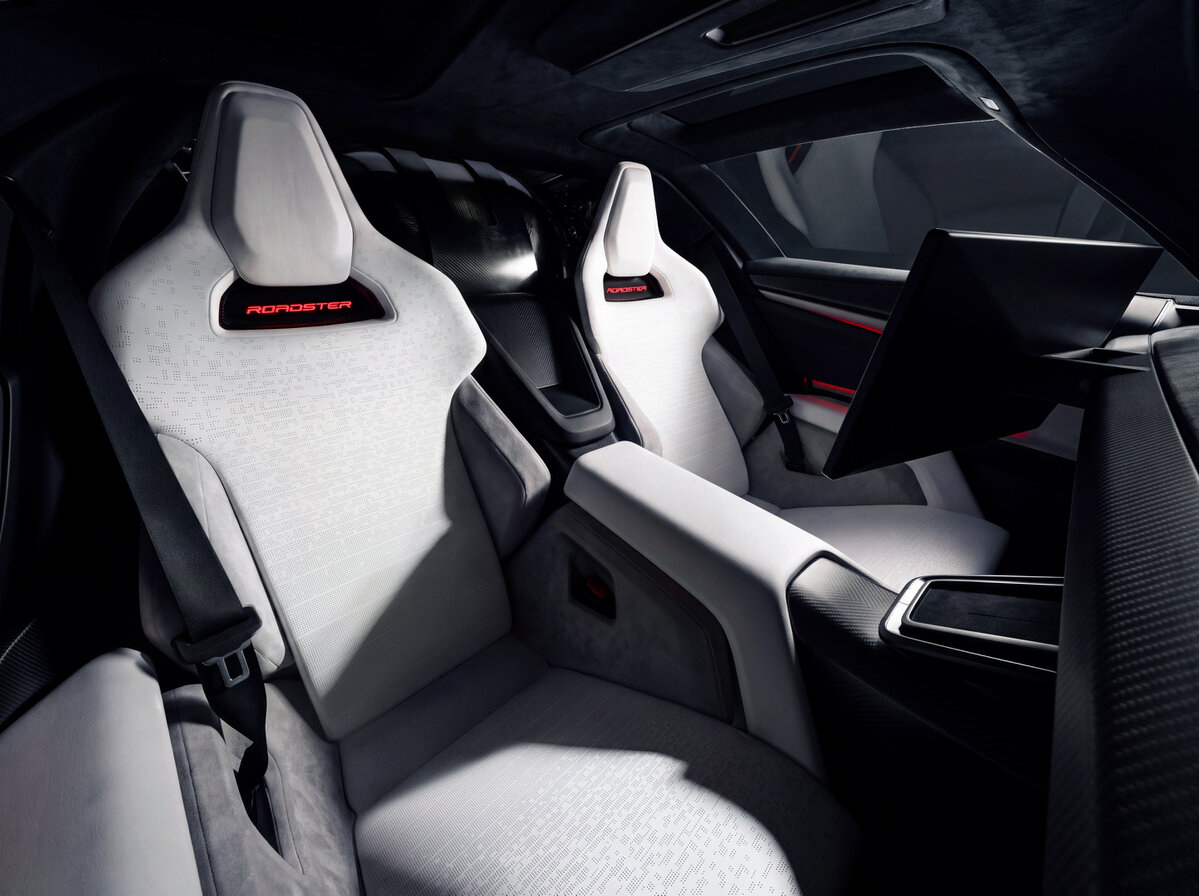
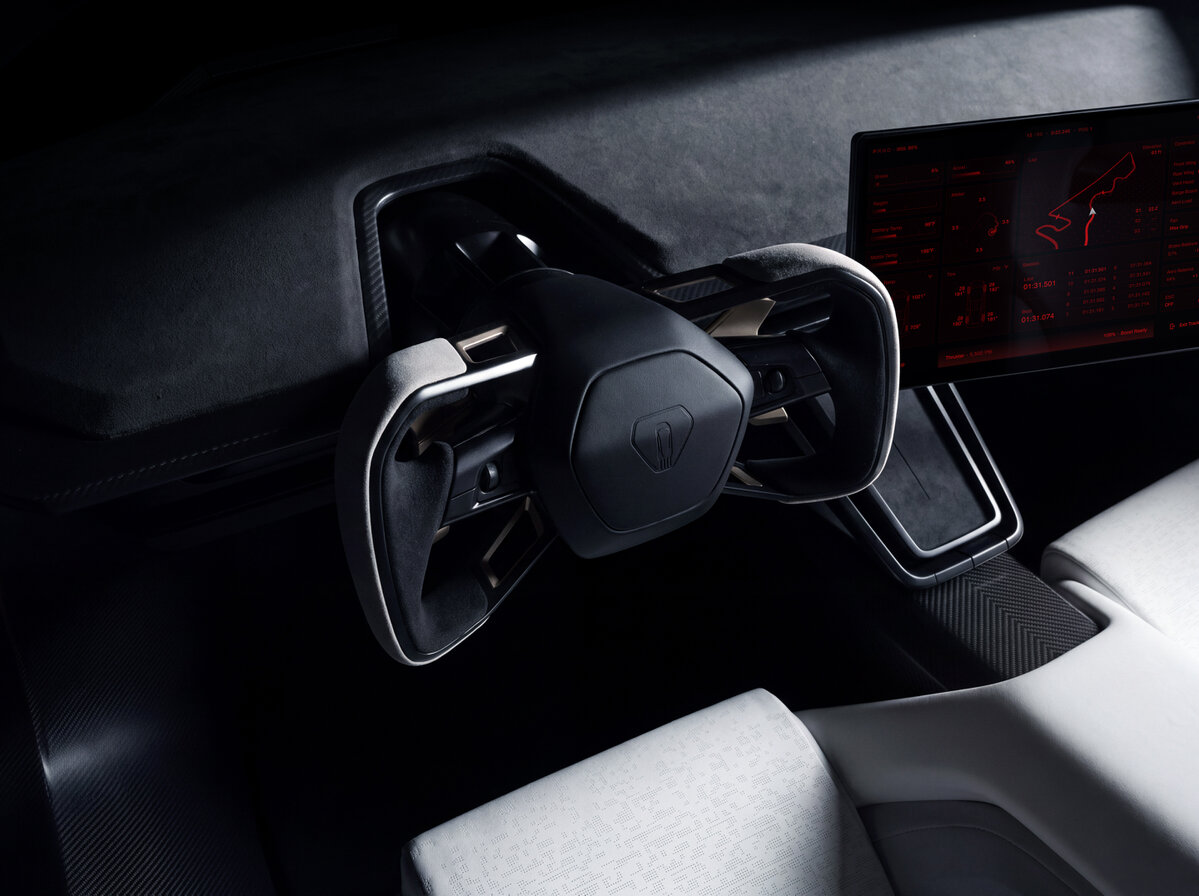
Swipe or scroll sideways · 9 images
Tesla claims it'll reach 60mph (97km/h) in less than one second, with a prototype reportedly managing 0.81 seconds.
Then there's the invitation-only Rocket, the star of the show, which loses a passenger seat and gains thrusters around its body which allow it to lift off, move sideways and return to the ground. How high or far it can actually fly remains unclear, as Tesla hasn't published those figures, or confirmed final prices, battery specifications or delivery dates.
But we do know production is now targeted for 2028. And US reservation payments are US$50,000 for the Performance and US$250,000 for the limited-release Thrust. But those are deposits, far from confirmed purchase prices.
Will Australians be allowed to fly one?
Here's where things get complicated.
Tesla's Australian website says the Roadster will be built in left-hand drive only, with availability subject to local laws. There are no confirmed Australian deliveries, and the Rocket isn't approved for public-road use anywhere - not even the US.
Even importing one wouldn't automatically make it legal to drive, let alone fly.
A vehicle intended for Australian roads must satisfy the relevant approval and registration requirements. And once it starts leaving the ground, aviation rules become involved too.
The Civil Aviation Safety Authority (CASA) regulates aircraft certification, airworthiness, pilot licensing and flight operations. And aircraft are currently forbidden from flying any lower than about 300 metres over urban areas and 150 metres over other areas, except obviously for take-off and landing.
So a flying Roadster would need hefty approvals before anyone could legally take it into Australian airspace - ie, you'd need a pilot licence, and a radio call in with the local air-traffic control tower before leaving for work.
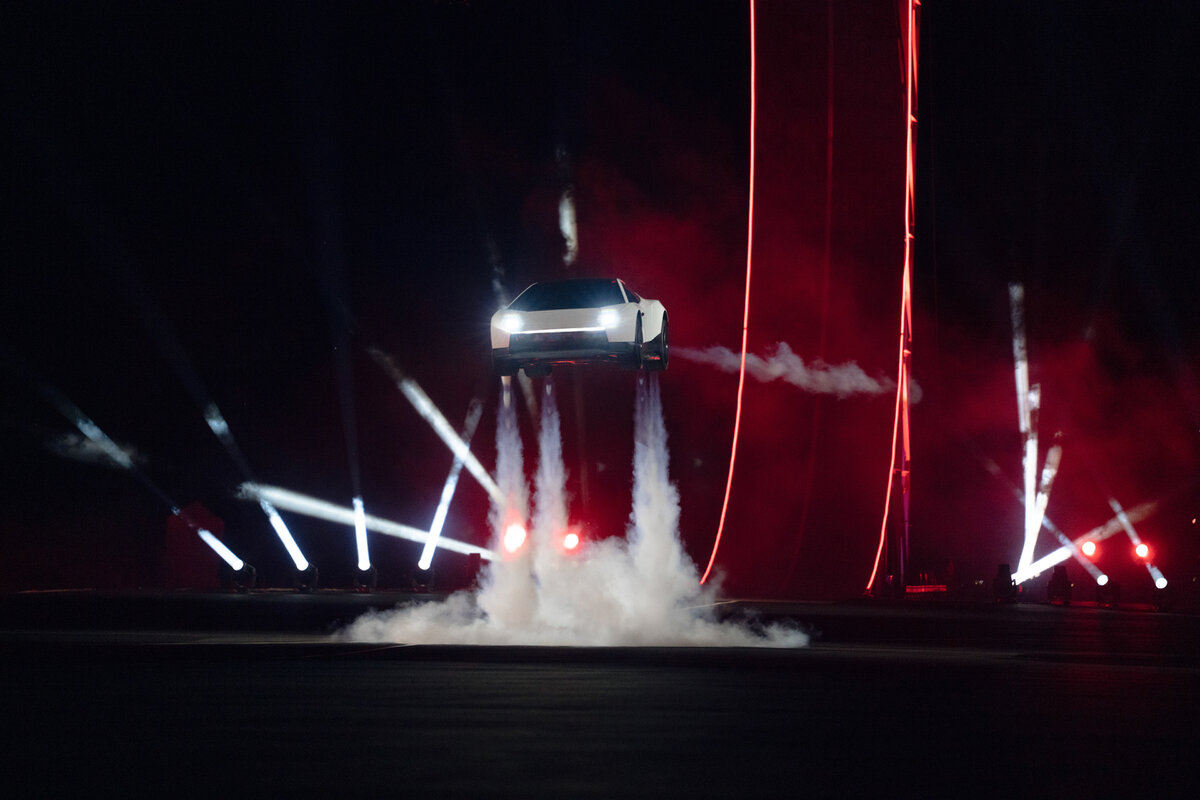
Must have had baked beans for breakfast.
Tesla isn't the only company facing that problem.
At its recent Australian relaunch, Chinese manufacturer XPeng revealed it had received more than 11,000 orders globally for its flying vehicle, including one from a Gold Coast resident.
Unlike Tesla's Roadster, XPeng's Land Aircraft Carrier combines a six-wheeled ground vehicle with a separate electric vertical take-off aircraft that emerges out of it.
XPeng says it plans to work with CASA on the certification requirements for operating one here, and its Australian customer is apparently still figuring out how to import theirs.
But don't expect to see one taking off from the local shopping centre car park any time soon.
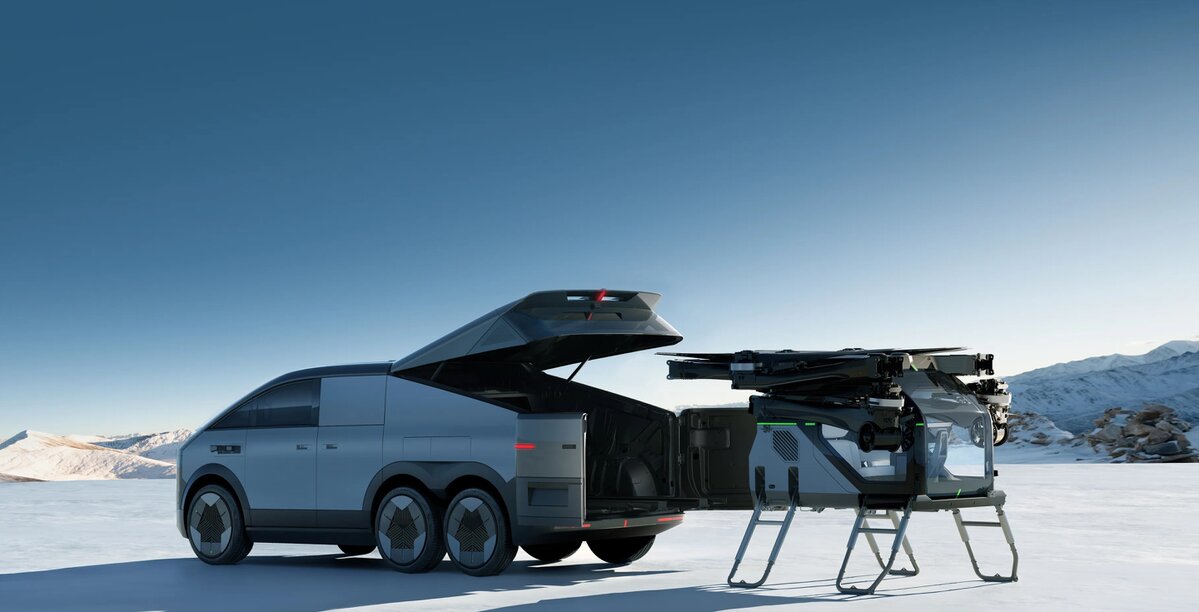
The Land Aircraft Carrier Chinese manufacturer XPeng wants to bring into Australia.
We're still figuring out cars that drive themselves
Australia hasn't even finished working out the rules for cars that don't need drivers, let alone ones that fly.
Tesla already offers "Full Self-Driving (Supervised)" locally, allowing its newer Model 3 cars to steer, change lanes, negotiate intersections and follow navigation routes - while the driver watches on.
But the name is doing some heavy lifting.
It's only available as a subscription package for $149 per month, requires compatible hardware and, crucially, a fully attentive licensed driver who remains responsible for the car and has to be ready, at the wheel, to take control at any time. Which sounds decidedly more stressful than what the name "self-driving" implies - you sitting in the back, watching YouTube.
Fully driverless vehicles aren't yet approved for general use on Australian public roads.
The federal government undertook public consultation on Automated Vehicle Safety Law back in 2024, which would make an approved company - like Tesla or XPeng - responsible for the safety of a vehicle's automated driving system, rather than blaming the human driver if something goes wrong.
It's also preparing national technical standards, which states and territories would then need to integrate with their own laws.
The Department of Infrastrucuture, Transport, Regional Development, Communications, Sport and the Arts admits "there are potential safety and productivity benefits to be realised from automated vehicle deployment" but it's still "working closely ... to prepare Australia for their safe deployment".
And this is all before somebody decides to take one airborne.
Perhaps by 2028, when the Roadster is supposedly going into production, we'll have figured it all out. Although given Tesla's record with Roadster deadlines, the government might have more time than it thinks.
|
|