

{{item.Subject}}
Vehicle spotlight
Learn about events, happenings and more
The story of the Subaru WRX begins earlier than you might think
Friday, 26 June 2026 | James Coleman
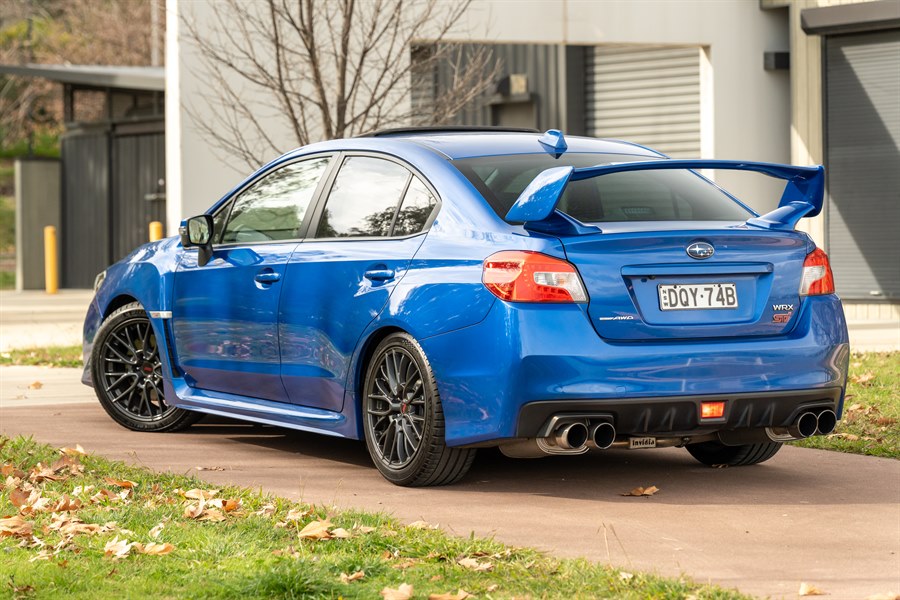
Subarus love to crow about their all-wheel drive capability. Walk into any dealership and you’ll be greeted by towering posters of Foresters parting mud puddles in dense pine forests like it's the Red Sea. It's their whole USP.
The downside to this marketing genius is the number of suburban owners who then assume they can conquer the Himalayas. It's why, every winter, the number-one call-out to rescue crews around Perisher and Thredbo inevitably involves the words "stuck" and "Subaru" followed by "typical." Symmetrical AWD is not quite the same thing as a low-range 4WD.
But you might think all this can all be traced back to 1992 and the birth of the "World Rally eXperiment", or WRX - the weapon Subaru used for chasing podium glory in the World Rally Championship (WRC).
But actually, the obsession with dirt began much earlier.
The real WRX origin story
In the late 1960s, a Japanese racer named Noriyuki Koseki caught the eye of Subaru big wigs after entering a microscopic Subaru 360 hatchback into a 24-hour endurance race at Fuji Speedway and somehow finishing ninth.
Fast forward a few years, and Koseki was working with a California dealer trying to drag a front-wheel-drive Subaru FF across the brutal, bone-shaking terrain of the Baja 500. It turns out trying to harness power on loose dirt with only the front wheels didn't quite work.
Head office saw the potential, though. They sponsored Koseki to try again closer to our neck of the woods at the 1972 Southern Cross Rally between Sydney and Port Macquarie. This time, they brought a secret weapon: an early iteration of all-wheel drive stuffed into the Leone sedan body.
It proved remarkably tough. Later came the Legacy RS, which famously shattered the FIA World Land Endurance record for the highest average speed over 100,000 kilometres.
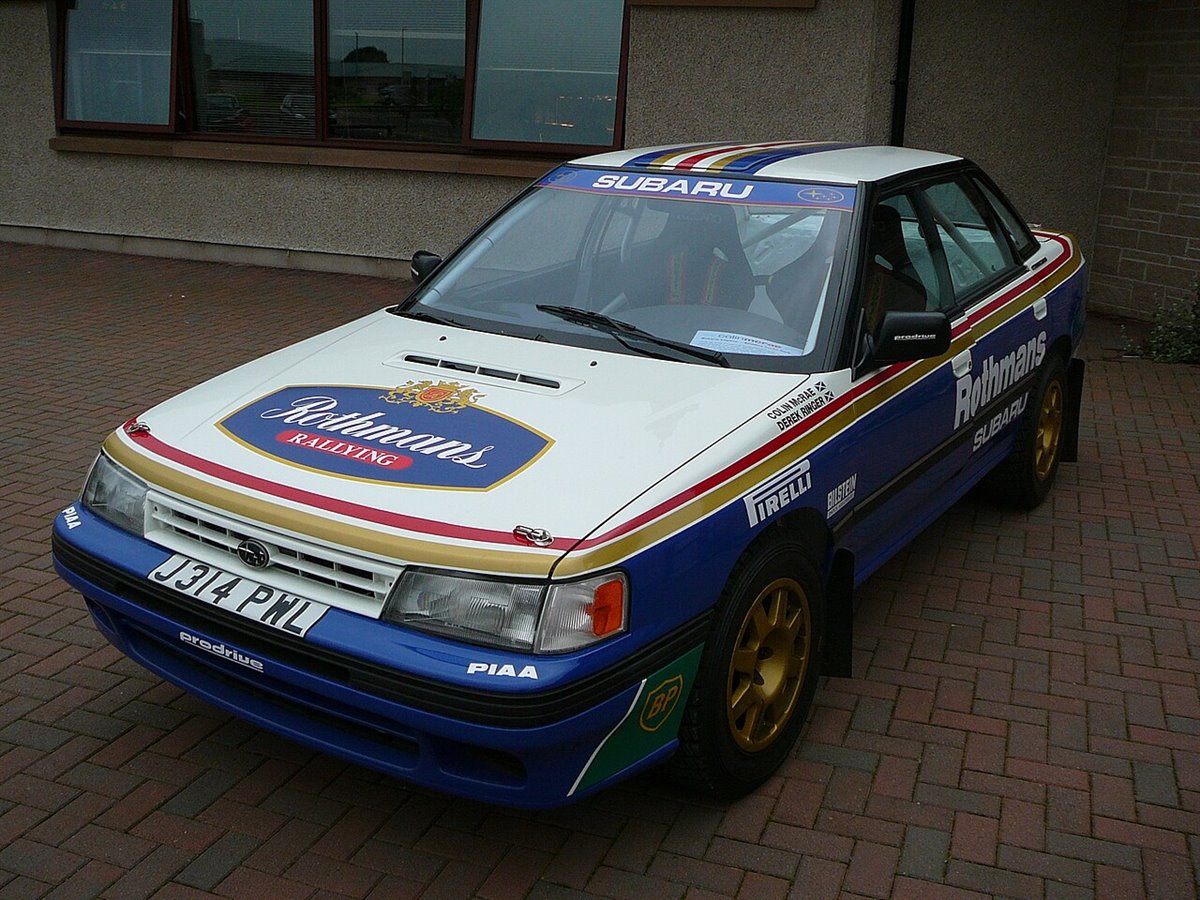
Subaru Legacy RS. Photo: Di Brendan Mullan, Wikimedia Commons.
Subaru used the Legacy to cut its teeth in the WRC, before throwing it out for something entirely new from the ground up: the Impreza.
On its very first outing at the 1993 1000 Lakes Rally in Finland, the Impreza WRX took second place. That was just the opening act. All up, the Impreza platform racked up 122 WRC podiums - including 46 victories - across 193 official events. It walked away with silverware at an astonishing average rate of 63 per cent.
As for the now iconic colour combo of blue paint and gold wheels? Um, that was an accident.
For the 1997 rally in Monte Carlo, the Italian wheel manufacturer Speedline sent the team the wrong-coloured wheels. What was meant to be charcoal grey was gold. The team was appalled, but it was too late to change, and they were forced to run with it.
Subaru won the race, and all the media shots starred the blue and gold car. The rest was history.
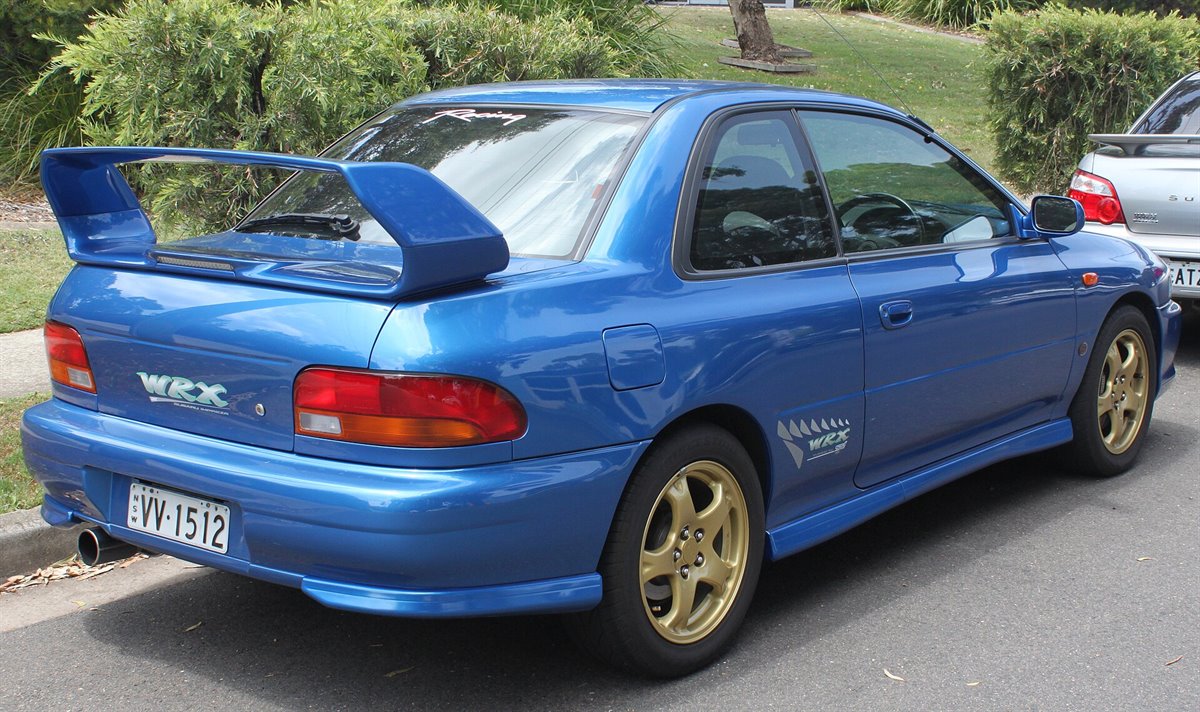
The 1999 Subaru Impreza WRX. Photo: Jeremy, Wikimedia Commons.
Okay, back to the WRX
Over the next three decades, the "Rex" evolved through a few unforgettable, heavily nicknamed eras.
The lightweight first generation gave way to the "New Age" platform in 2000, kicking off with the highly polarizing "Bugeye," before quickly morphing into the sharper "Blobeye" and the aggressive, jet-intake-inspired "Hawkeye."
Obsession with eyes aside, these models cemented the WRX as a global giant.
The hardcore STI (Subaru Tecnica International) variants took things a step further, bolting on massive rear wings, ultra-stiff chassis bracing, and driver-controlled centre differentials (DCCD) that let you manually shift the power bias on the fly.
By the third (2007) and fourth (2014) generations, the car grew up. Slightly. It ditched the "Impreza" badge completely to become a standalone performance icon. It gained serious structural rigidity, active torque vectoring, and a more civilized interior - all while maintaining that mechanical, unmistakable boxer rumble.
At this point, we'll skip over the CVT option available on the newer models.
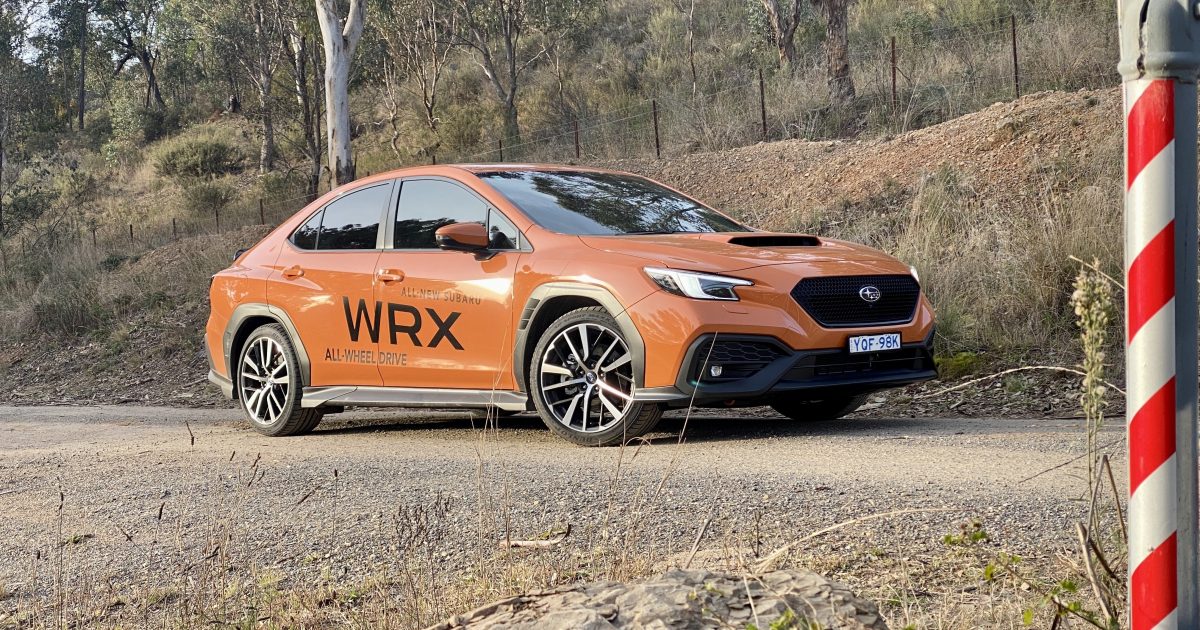
Today's Subaru WRX. Photo: Region Media.
And the best one?
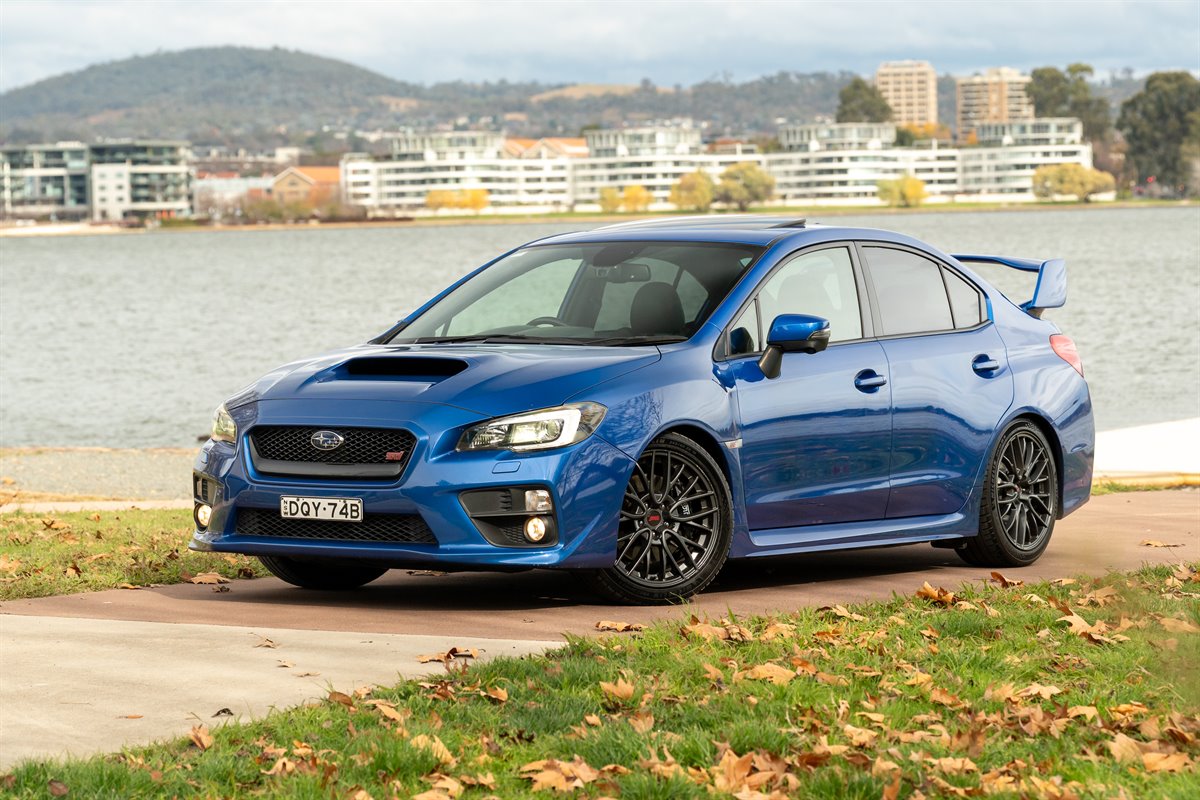
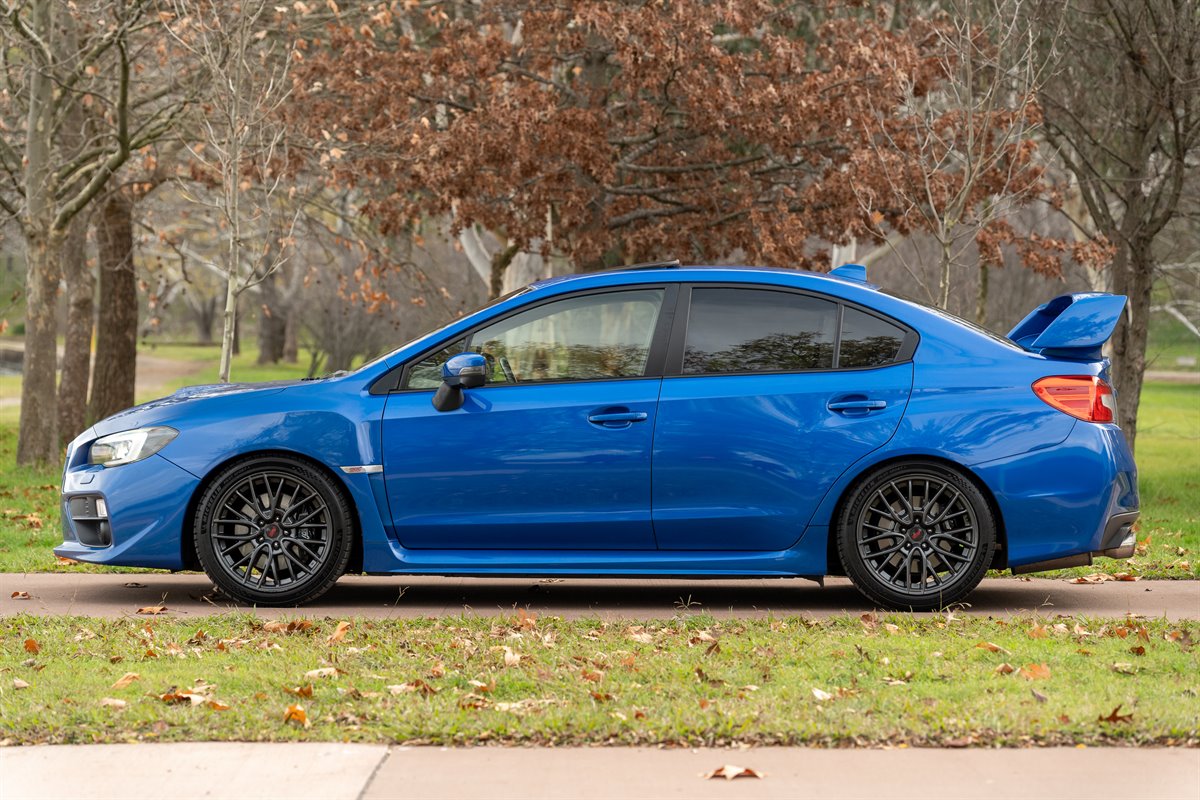
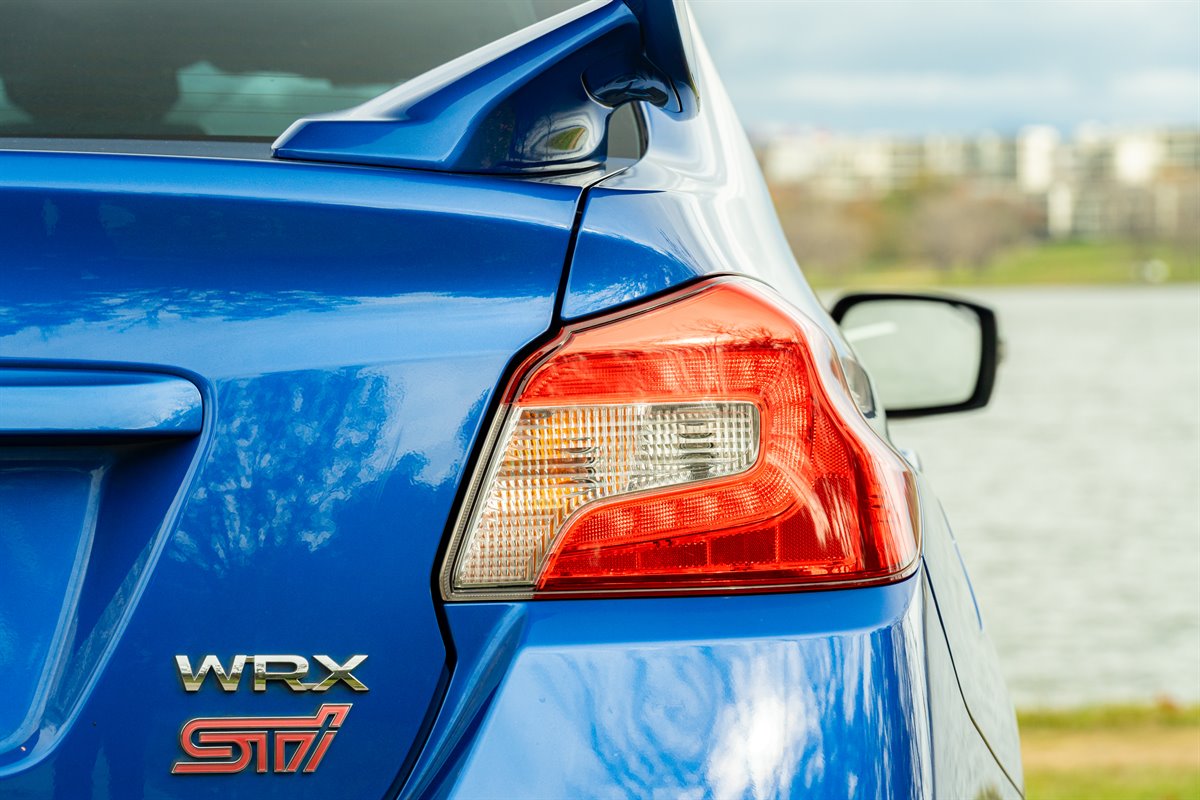
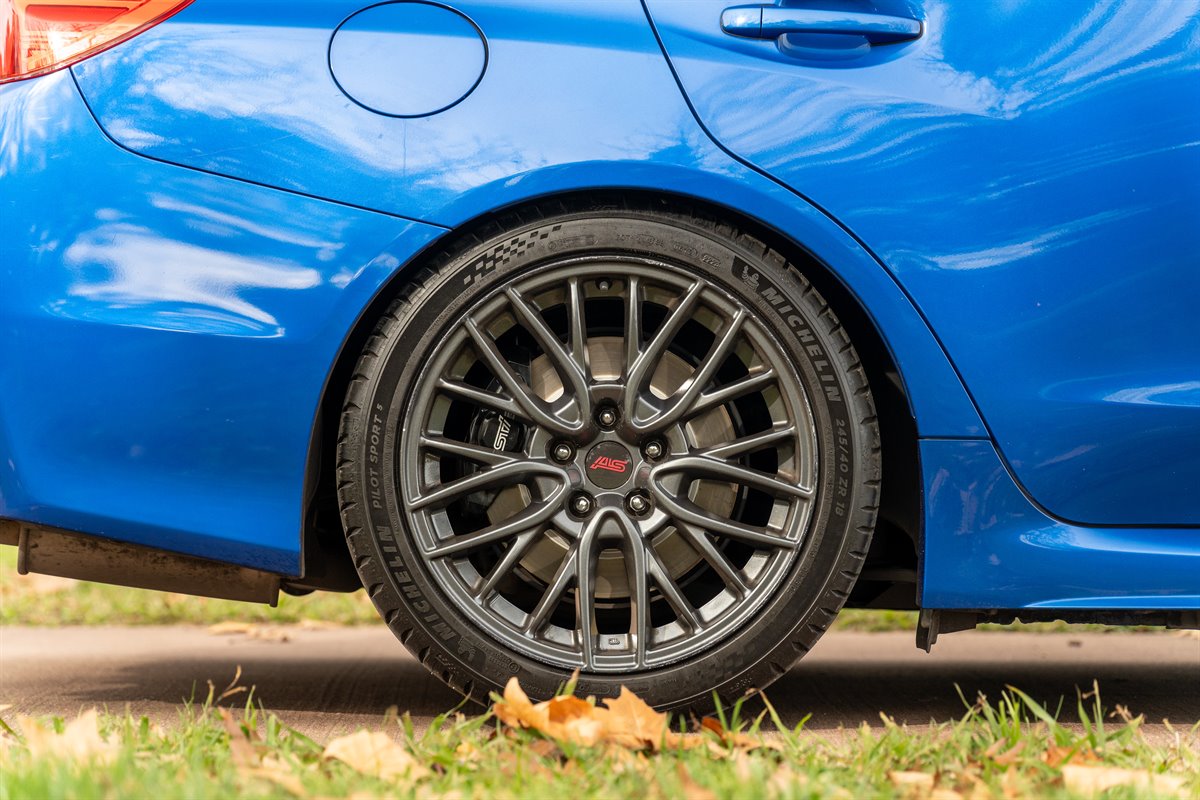
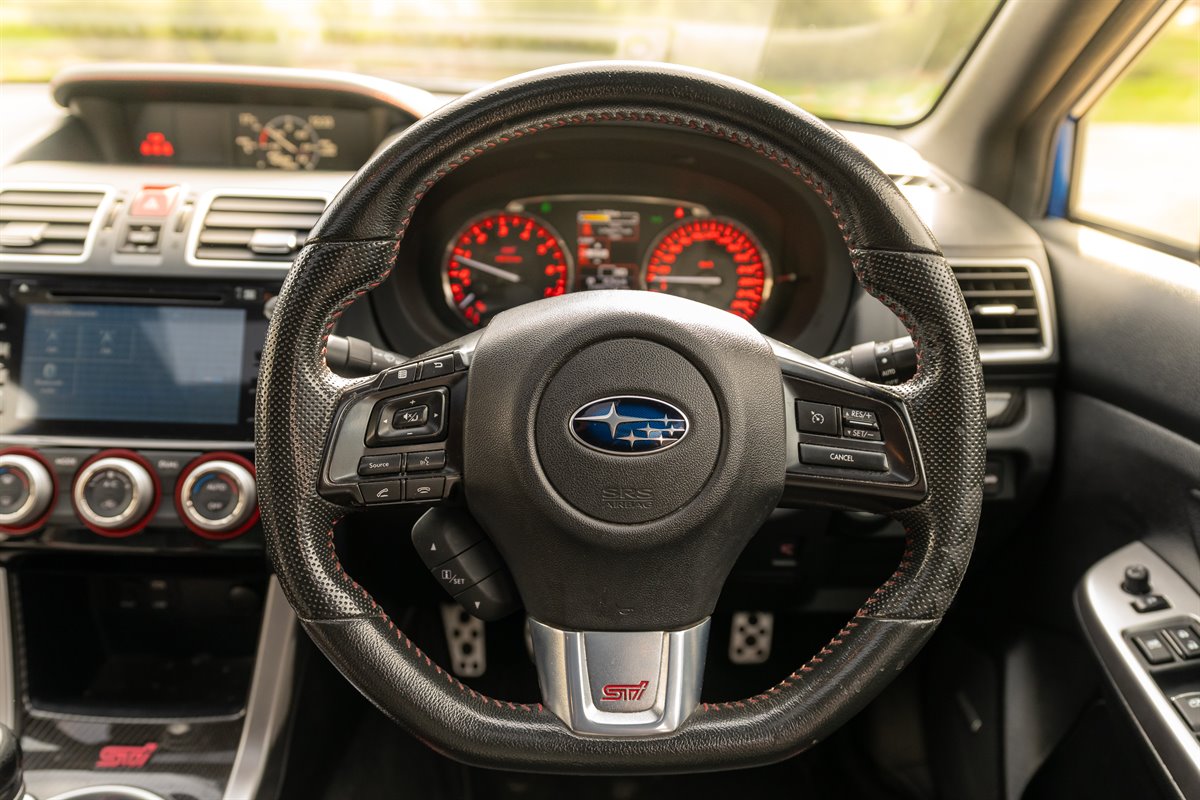
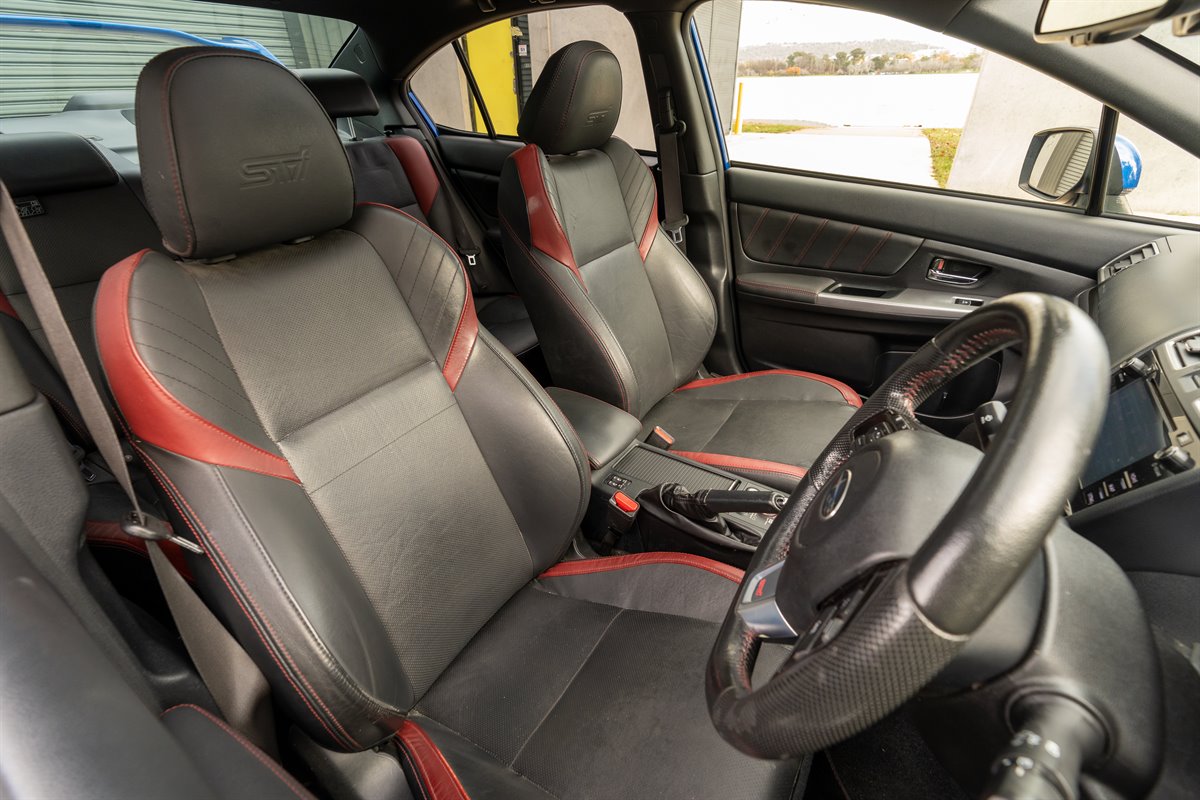
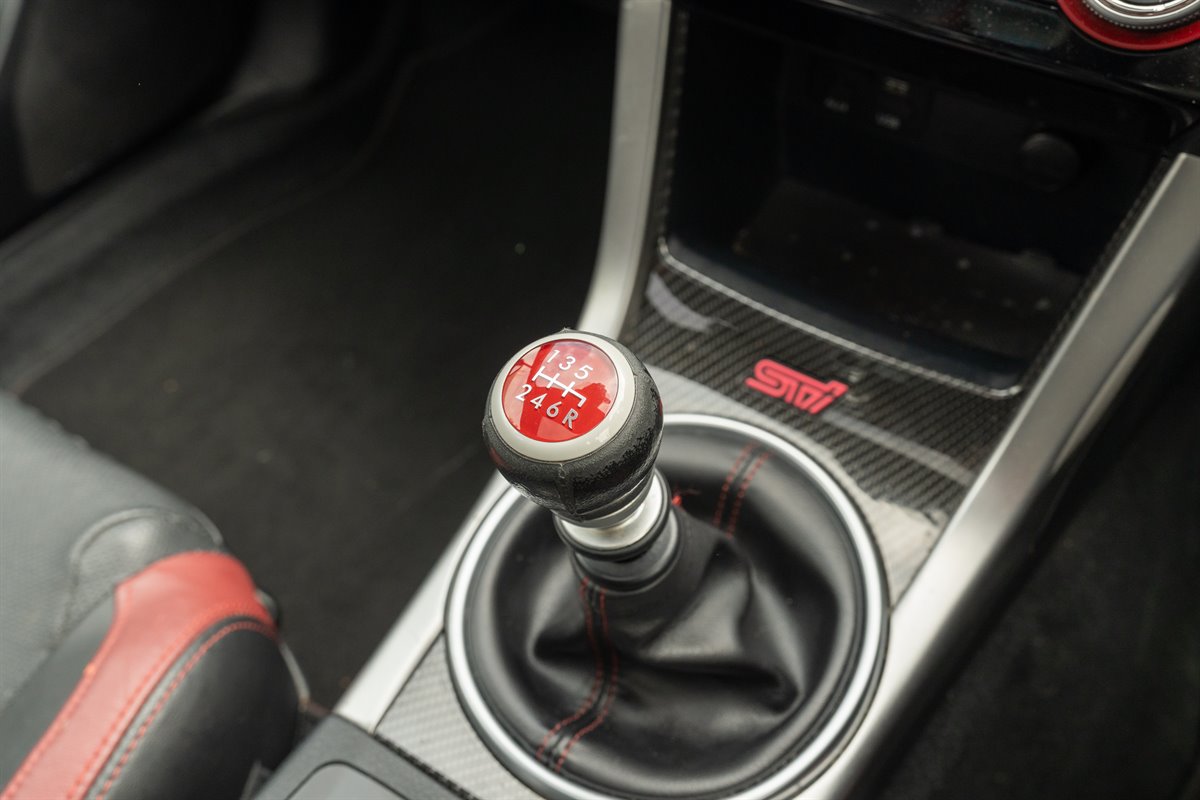
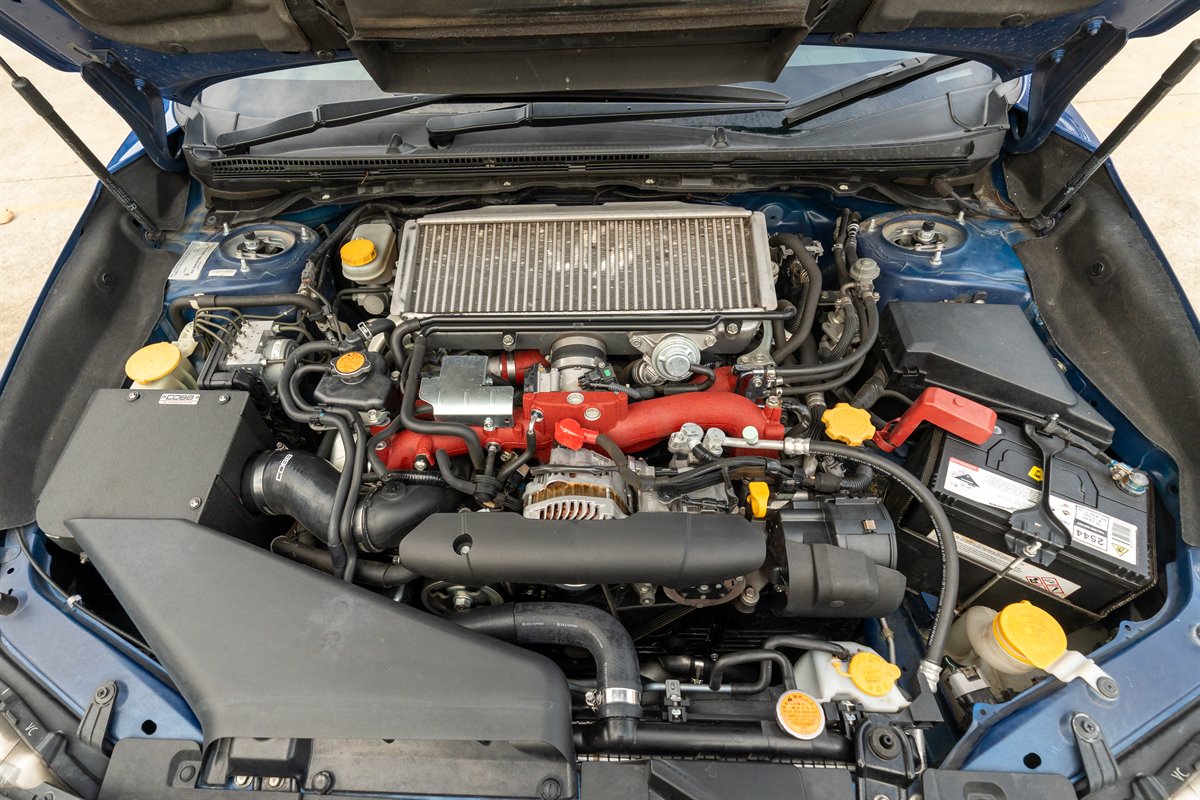
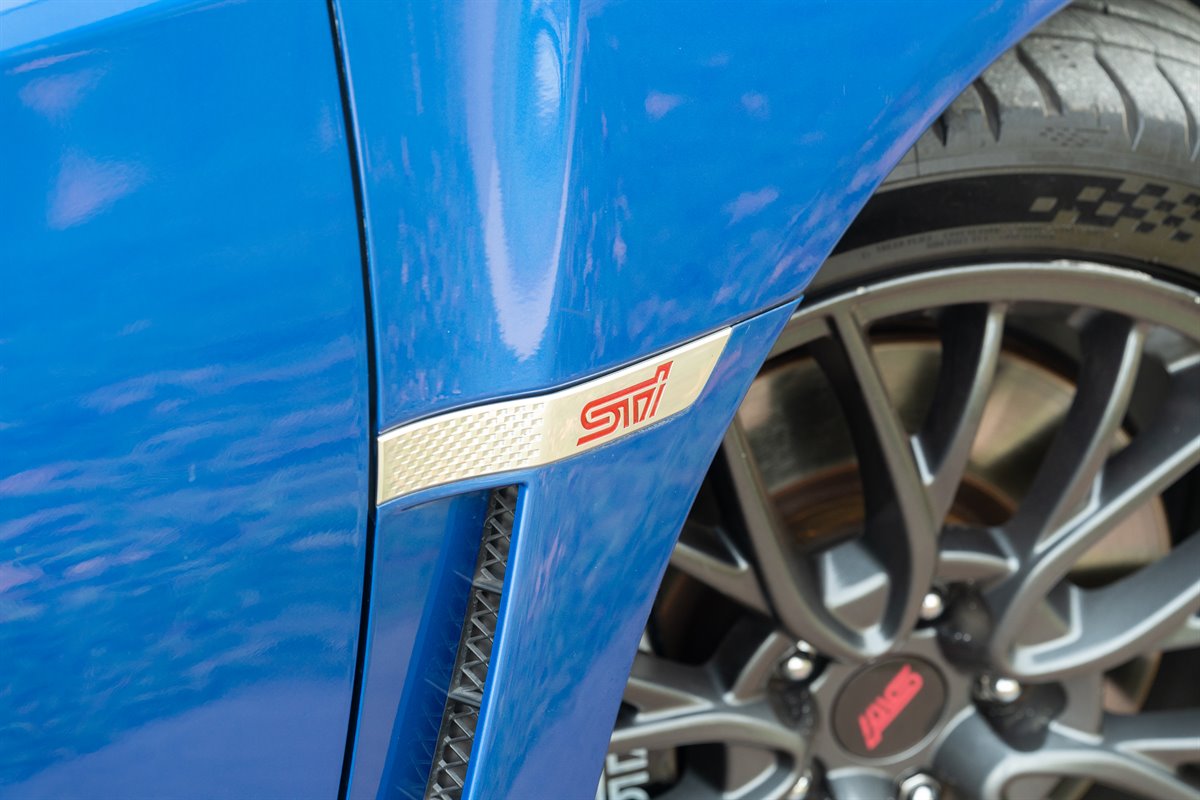
Which brings us to the ultimate sweet spot of the modern era: the 2017 Subaru WRX STI Premium currently live on the auction block.
This model carries the legendary 2.5-litre turbocharged EJ25 engine, 6-speed manual, and adjustable AWD, but with added "Premium". This badge adds 18-inch STI-branded wheels with matching Brembo calipers, a sunroof, premium Harmon Kardon audio, and heated leather seats finished in a striking red-and-black contrast.
Not content, the owner of this particular example has made his own improvements.
It breathes better via an aftermarket cold air intake, hunkers down perfectly on premium coilover suspension, and sings the definitive boxer anthem through an aggressive Invidia exhaust system.
It's also finished in the perfect colour - Lapis Blue (even if it's not the World Rally Blue from WRXs of old).
Swipe or scroll sideways · 9 images
But what about older ones?
There are plenty of special and limited editions all the way along the WRX bloodline, which fetch impressive money on the used market.
But according to ALLBIDS Group CEO Ben Hastings, at the top of the list is the 1998 22B STI.
Built to celebrate Subaru's 40th anniversary and third consecutive WRC title, this model was imited to just 424 units globally, and featured a widend body, bespoke 2.2-litre engine, and those now iconic gold BBS wheels.
"They seem to pull around around the mid-$200,000's these days," Hastings says.
"The wide body, the traditional Subaru colours, the higher power output, the limited build numbers - all of that."
Definitely don't put that one in the snow.
|
|