

{{item.Subject}}
New car review
Learn about events, happenings and more
This electric Hyundai might have the world’s most puzzling touchscreen
Friday, 24 July 2026 | James Coleman
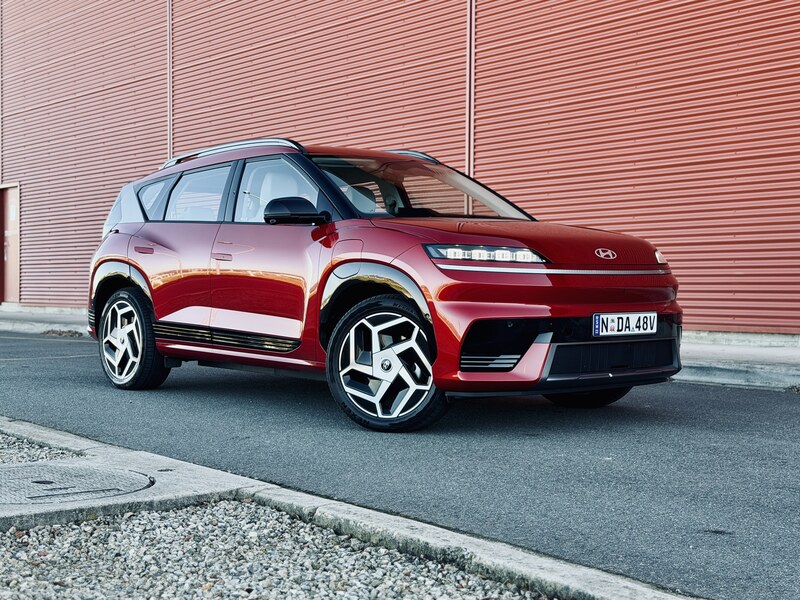
Initially, I half-wondered if it was a mistake. Had someone simply forgotten to swap the dashboard over during the right-hand-drive conversion?
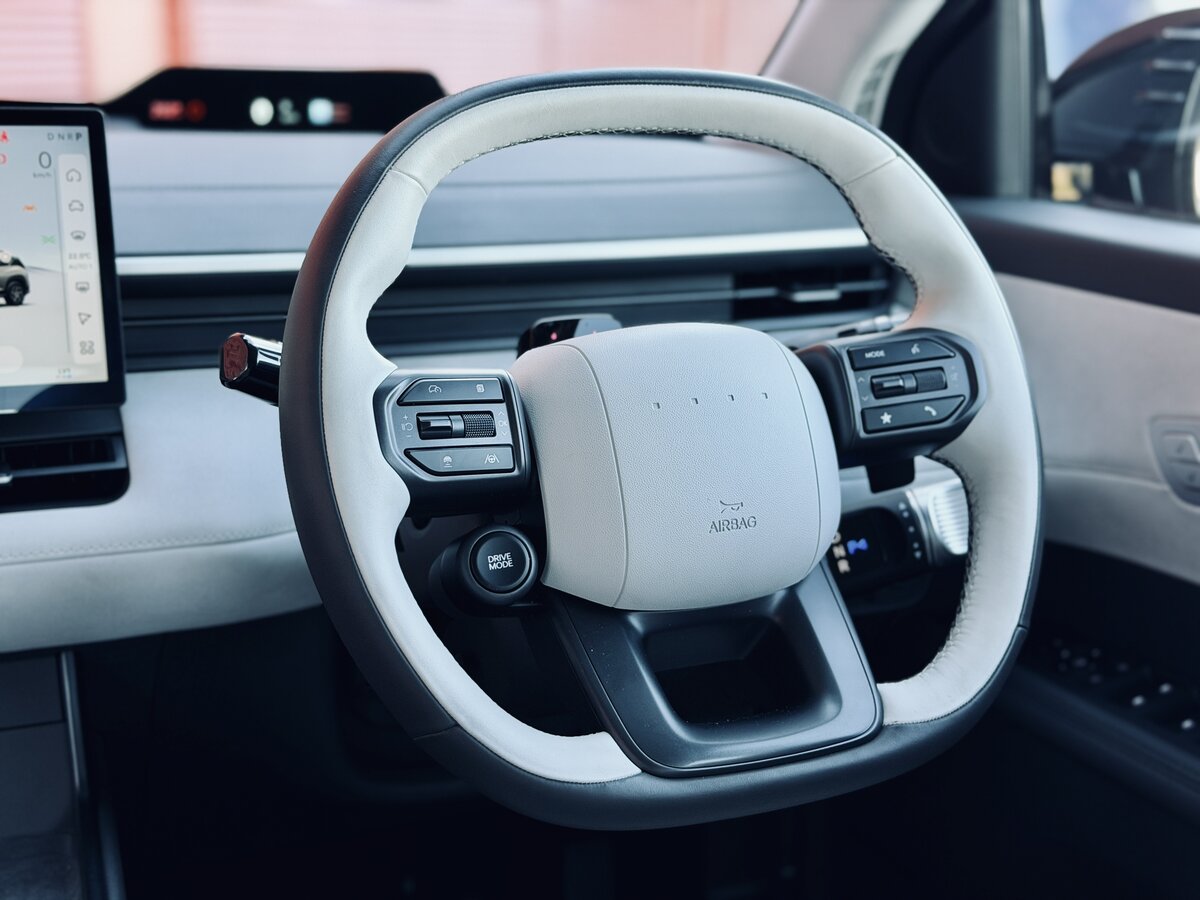
Most of the massive 27-inch widescreen in Hyundai’s new EV sits directly in front of the passenger. Yep, as the driver, you get a tiny slither on the far-left edge for info like speed, lane assist and AC controls.
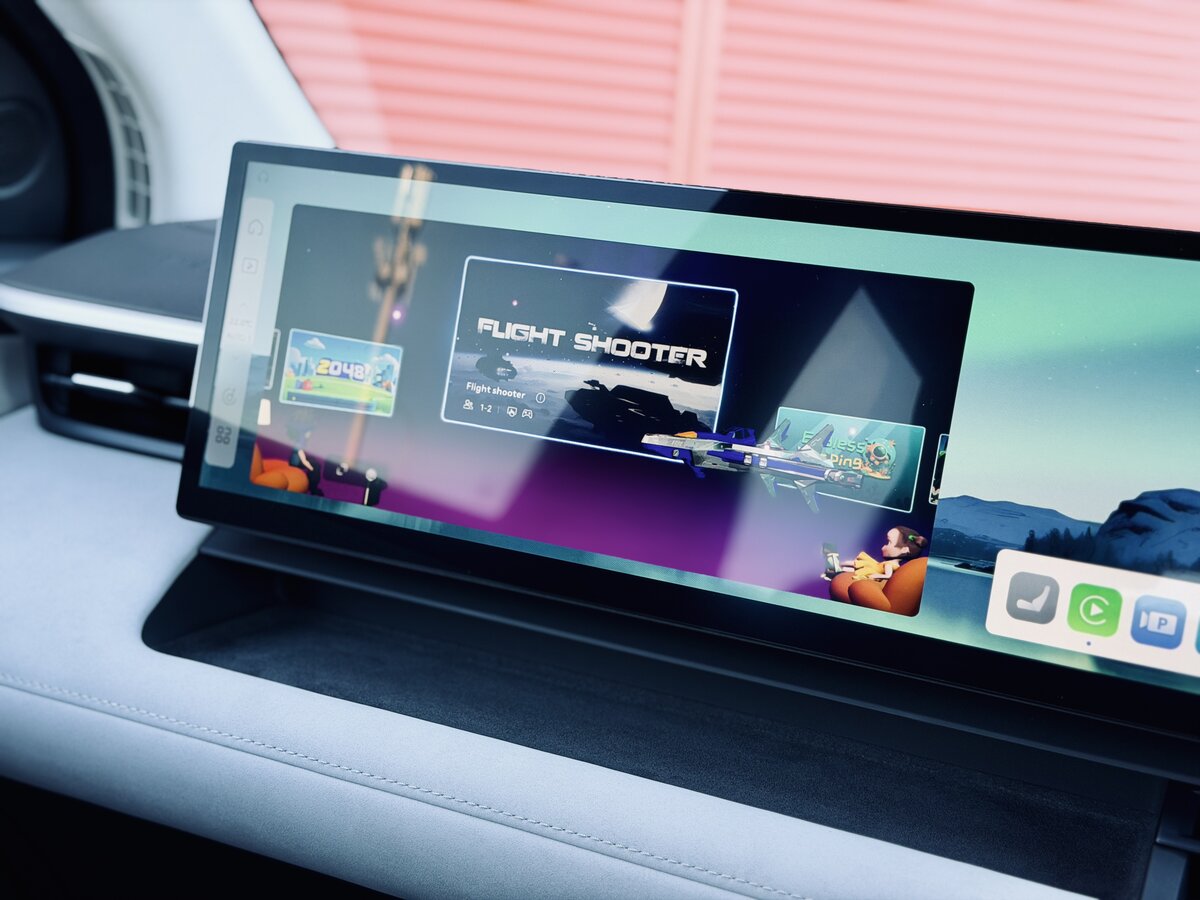
The bulk of the real estate is handed over to whoever is sitting next to you to watch movies, play games, or - worst of all - hijack the music playlist, which used to be a sacred right earned solely by operating the pedals.
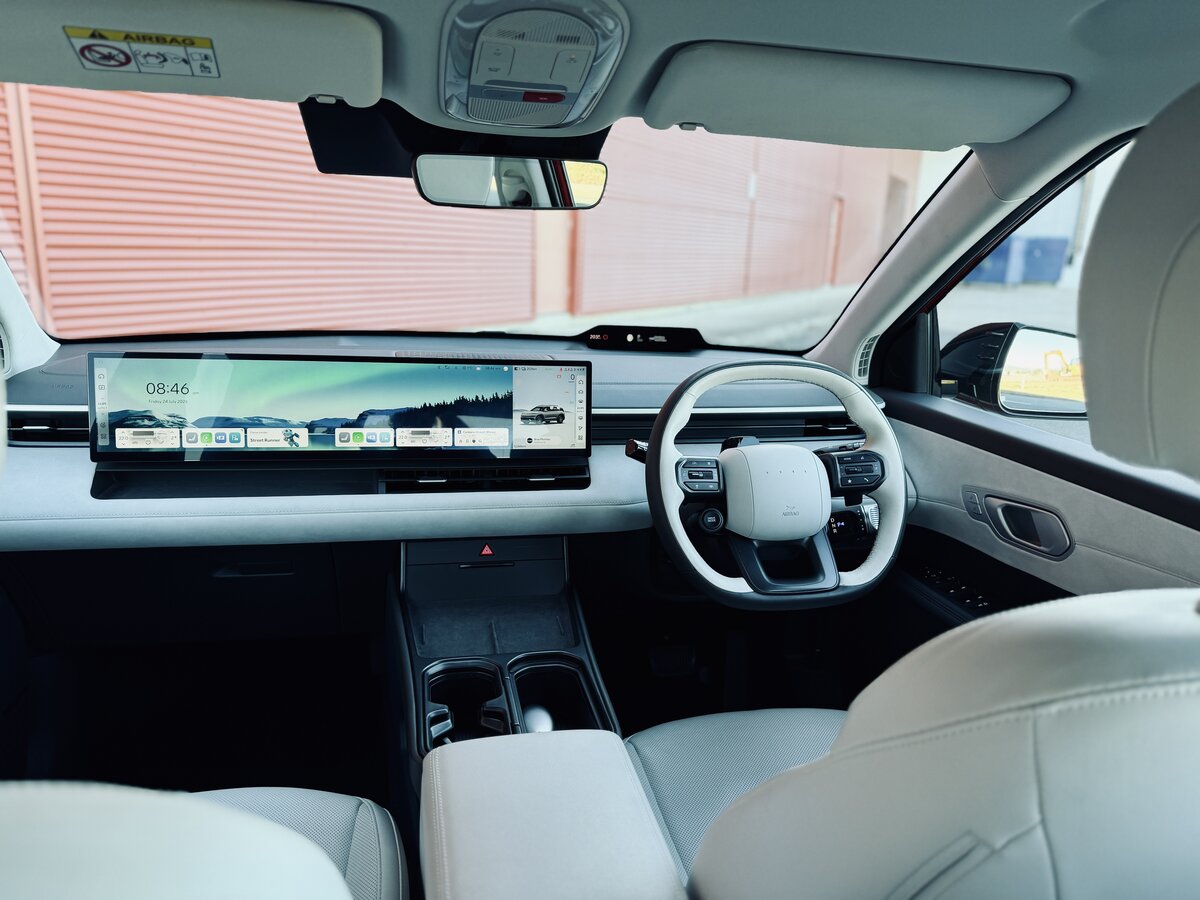
The touchscreen in the Hyundai Elexio is mostly on the passenger side. Photo: James Coleman.
They'll love it. But to placate the driver, Hyundai has stuck a tiny secondary screen up near the windscreen. But is this meant to simplify things? Keep your eyes closer to the road? Hardly. It juts into your field of view more than a normal screen would.
Worse still, when you’re reversing, you're having to almost stare into the passenger footwell to see the parking camera display on the big screen - which seems safe. And reaching over to tap a destination on your Apple CarPlay? You may as well vacuum the carpet while you're down there.
The whole setup seems pointless. And annoying. Fortunately, it's about the only blight on an otherwise delightful EV.
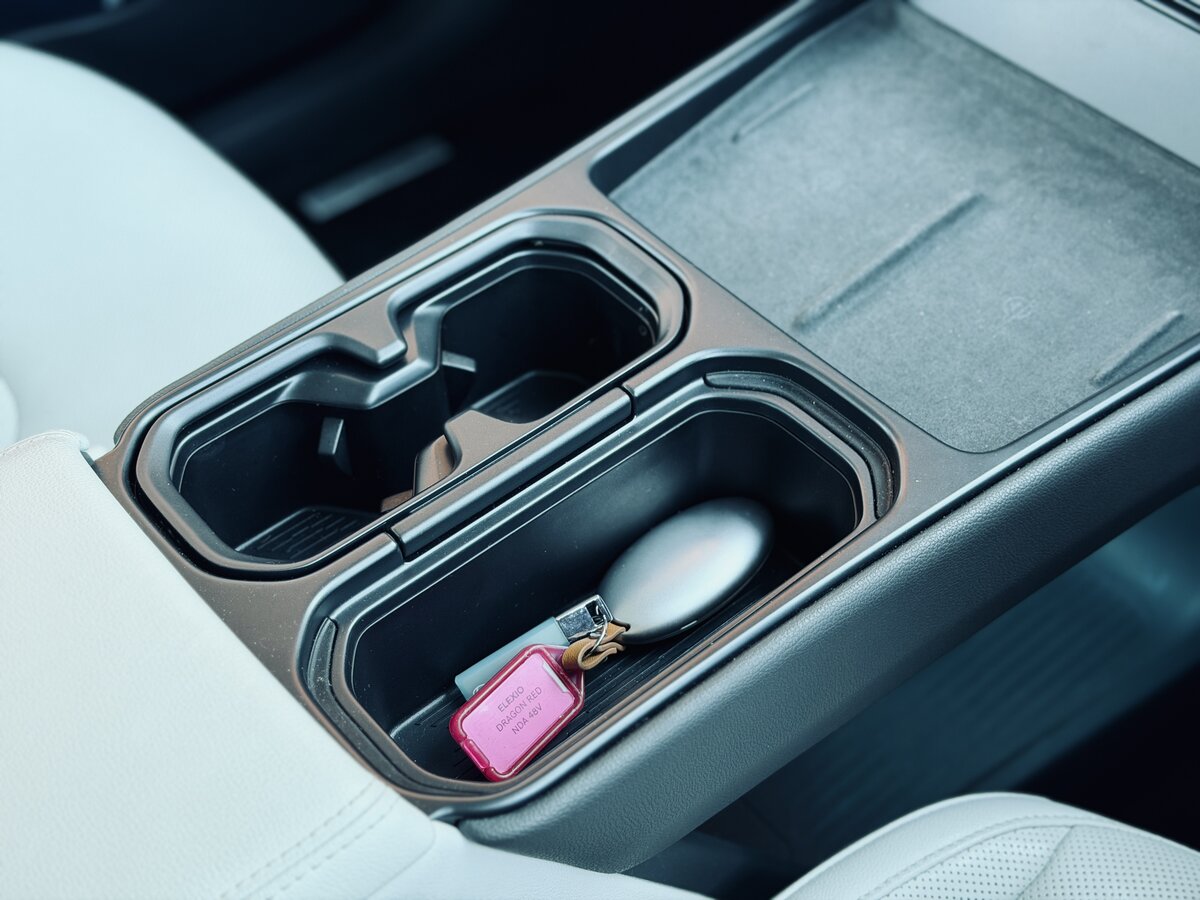
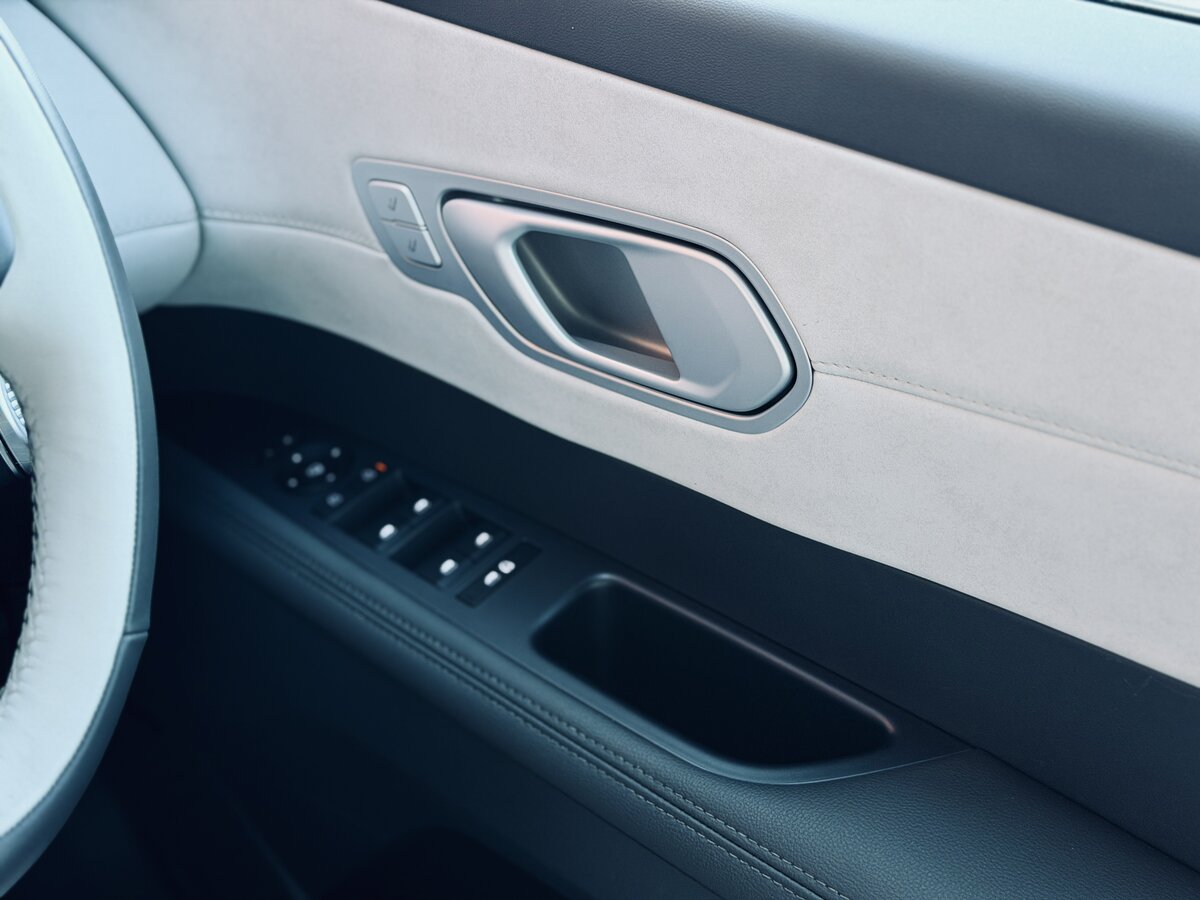
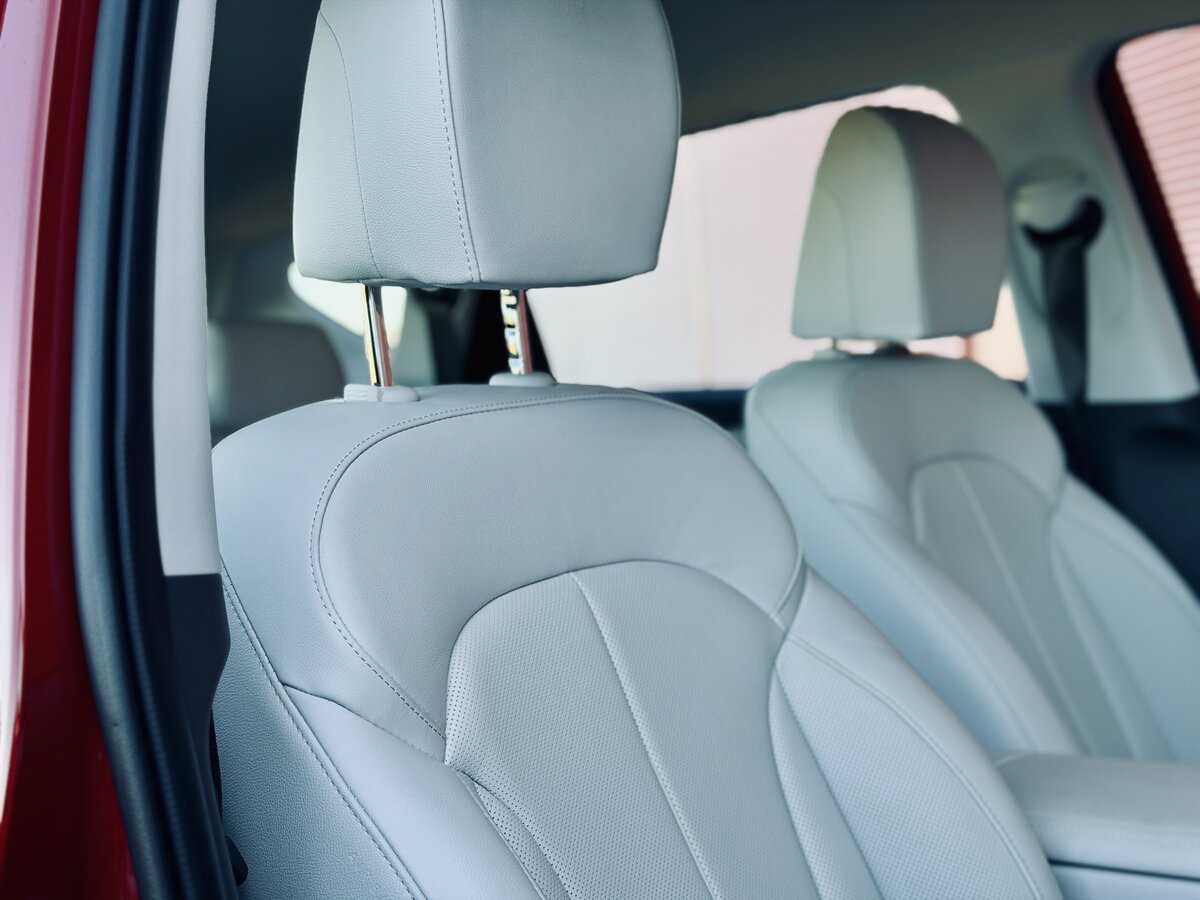
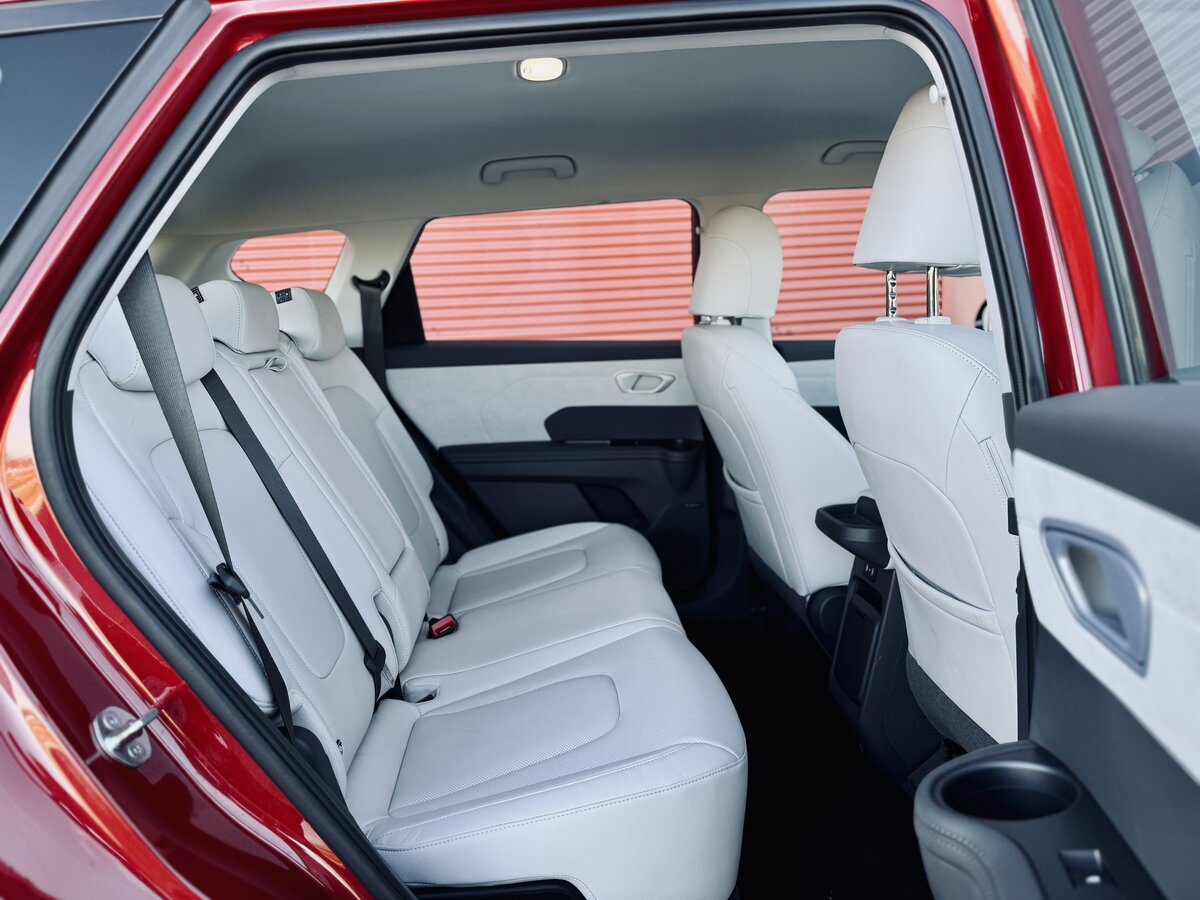
Swipe or scroll sideways · 8 images
What is it?
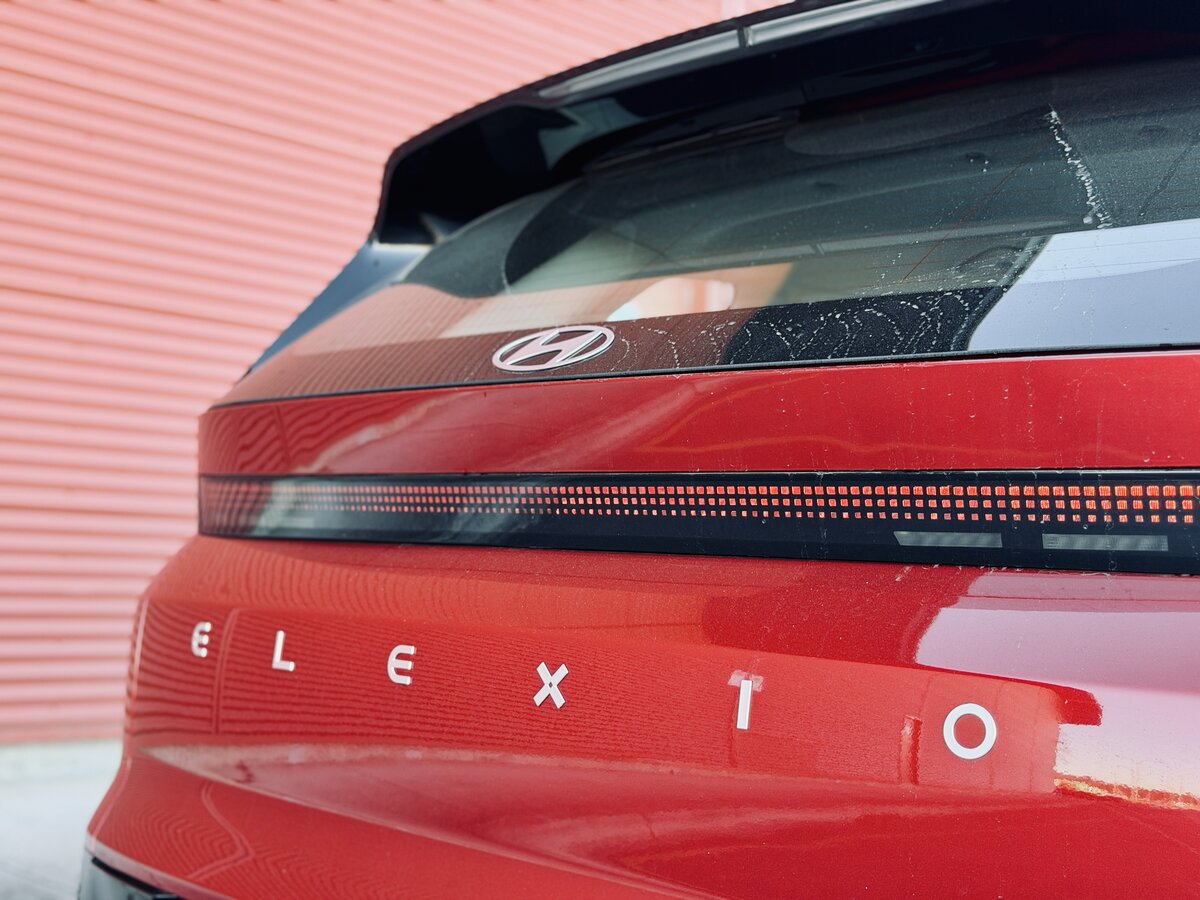
The Elexio is effectively Hyundai’s answer to the Kia EV5, but unlike the rest of its EV family, it doesn’t wear an "Ioniq" badge. That’s because it’s built in China. If you can’t beat ’em, join ’em, appears to be the corporate motto here.
It’s the product of a joint venture between Hyundai and Beijing Automotive (BAIC), developed at Hyundai's sprawling 15-hectare R&D facility in China and wrapped around a BYD battery.
Pricing starts at $55,990 for the standard model and tops out at $59,990 for the Elite. That undercuts the equivalent Kia EV5 Long Range, though you do miss out on the Kia's all-wheel drive. Claimed range is 546 km and 562 km, respectively.
What’s it like to live with?
You're past the worst of it once you get around the dashboard layout.
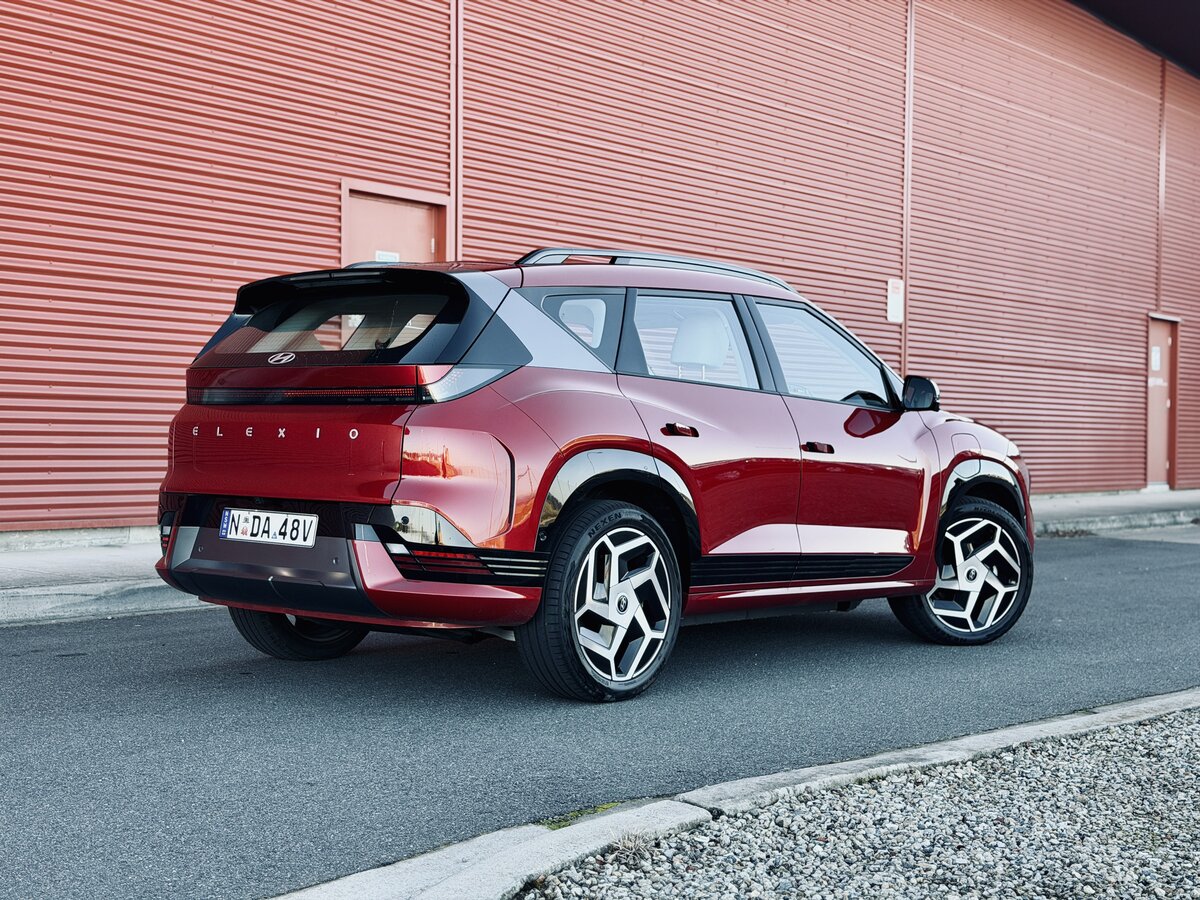
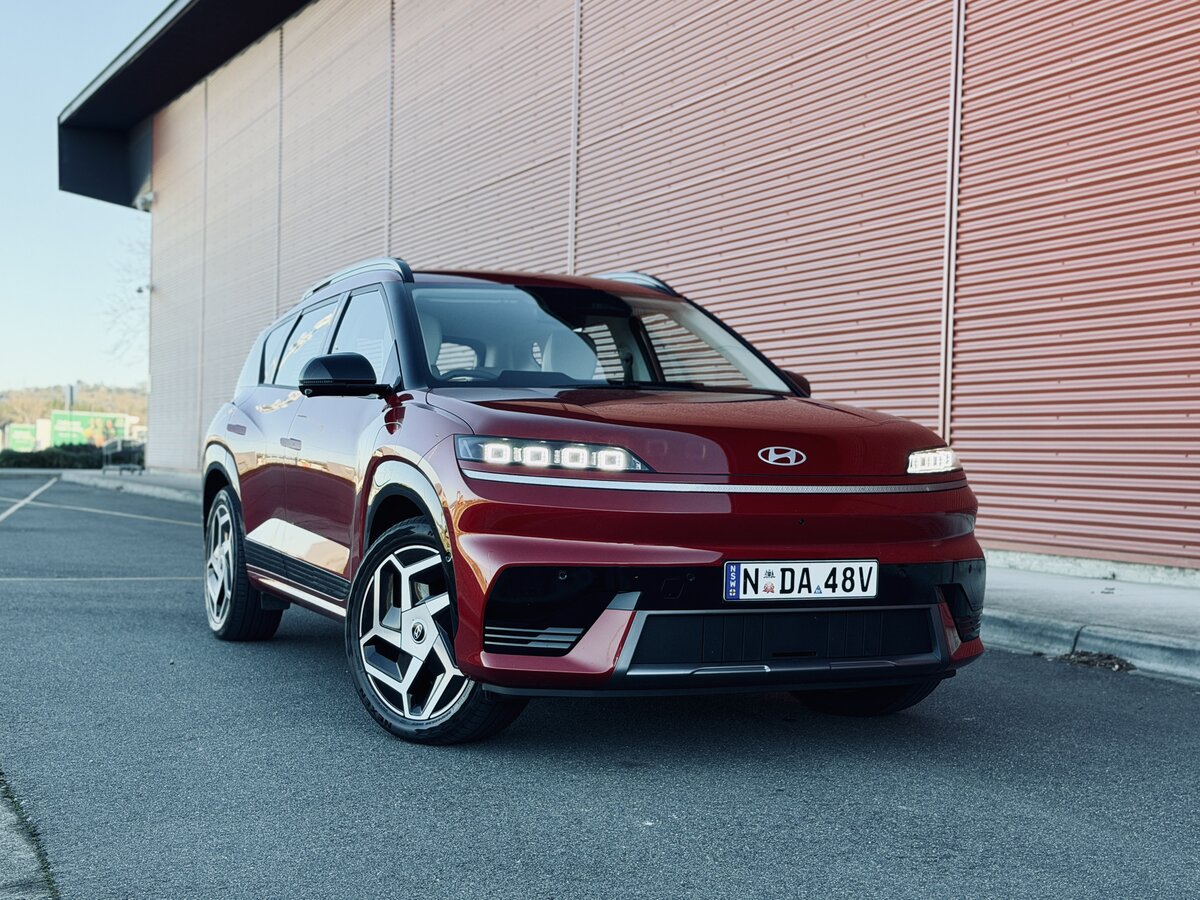
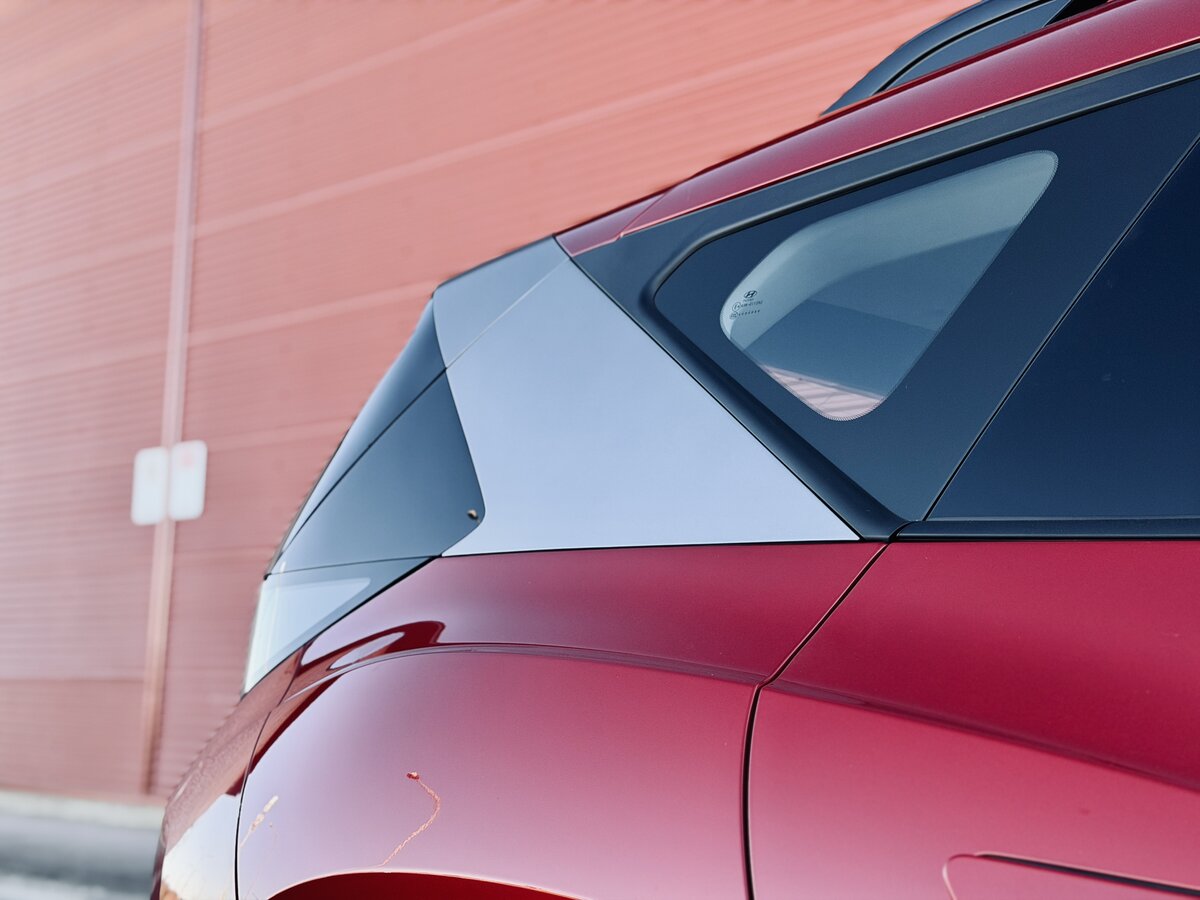
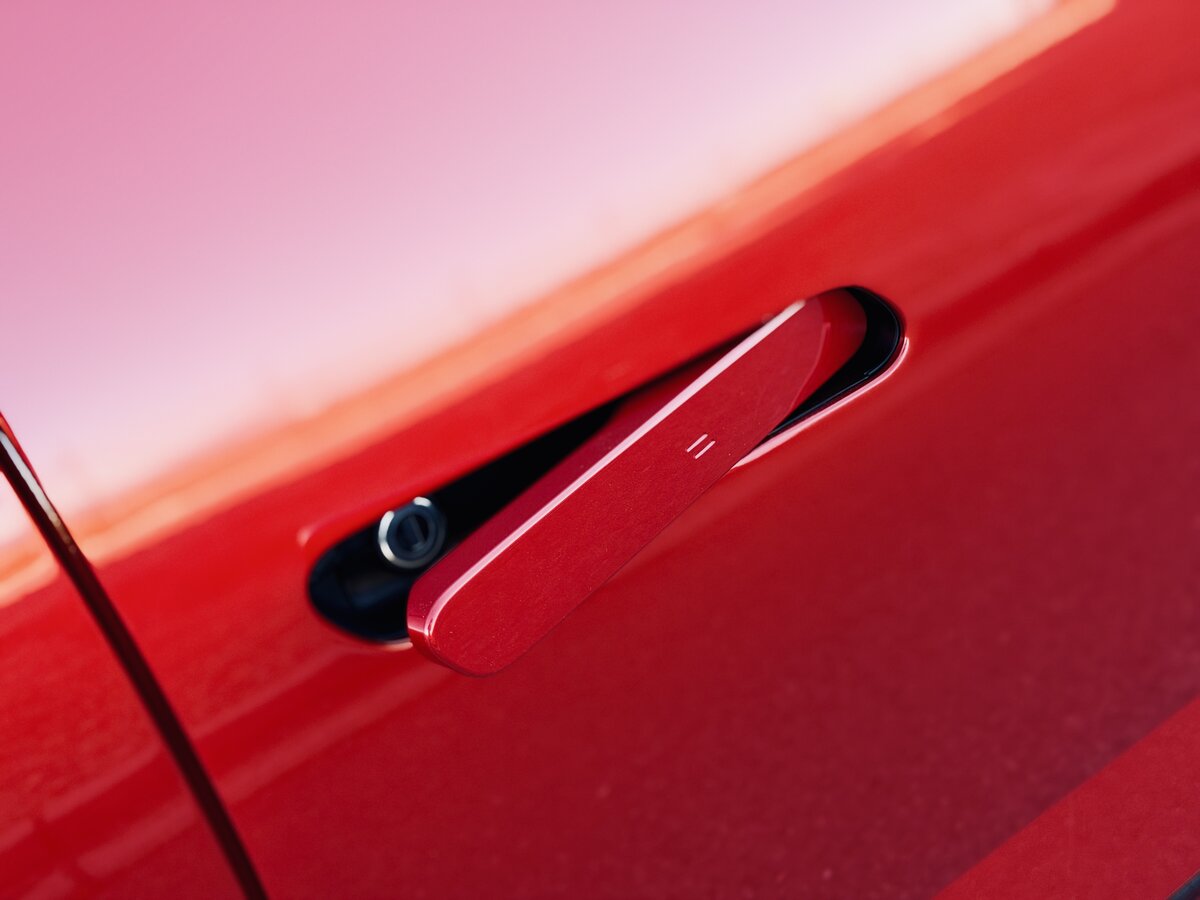
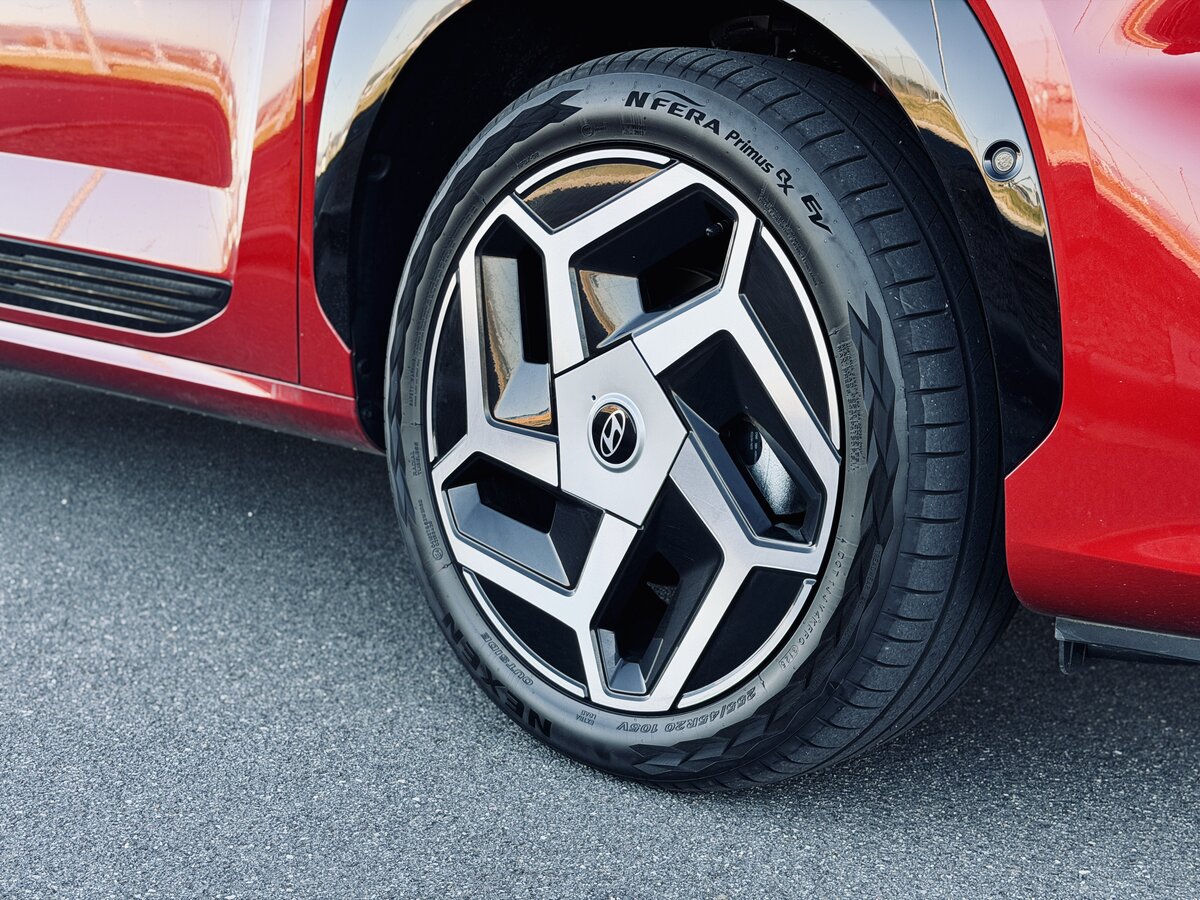
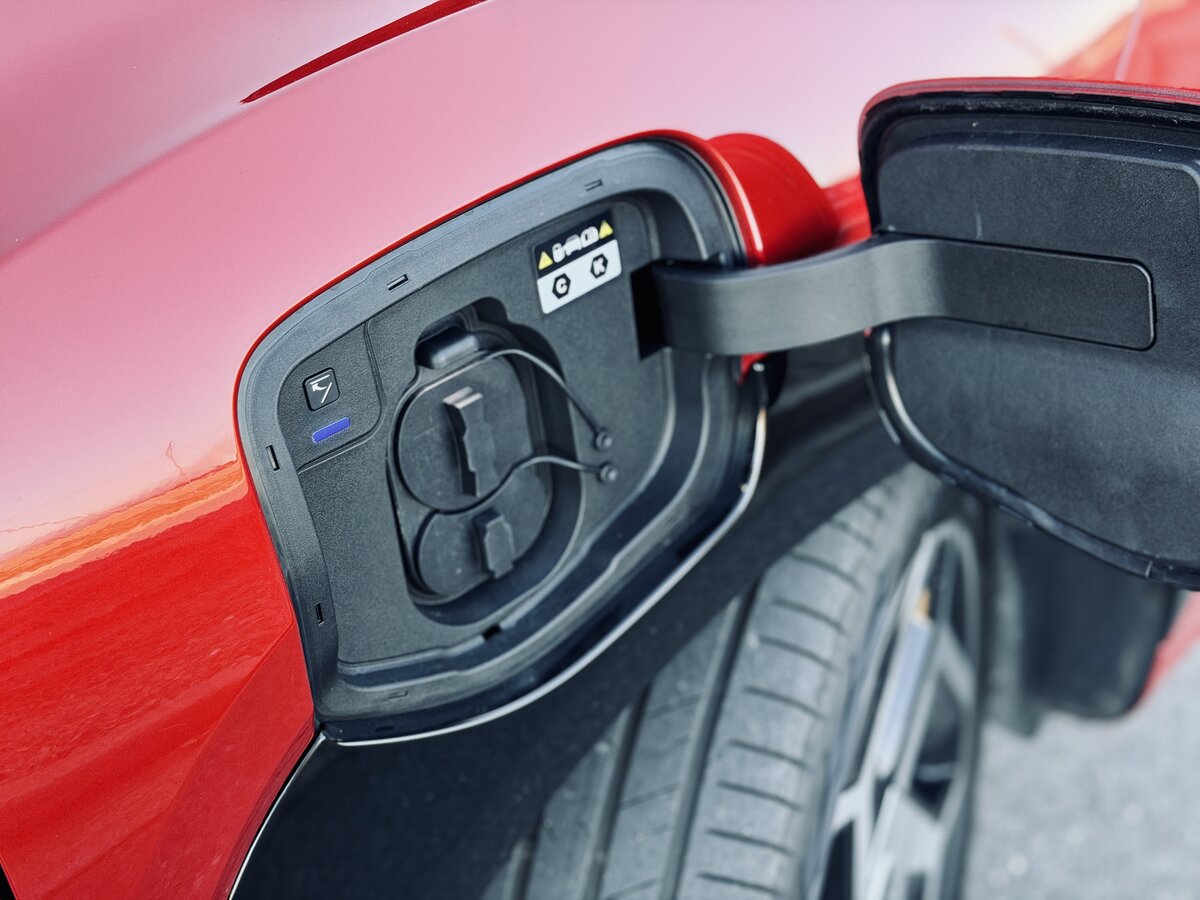
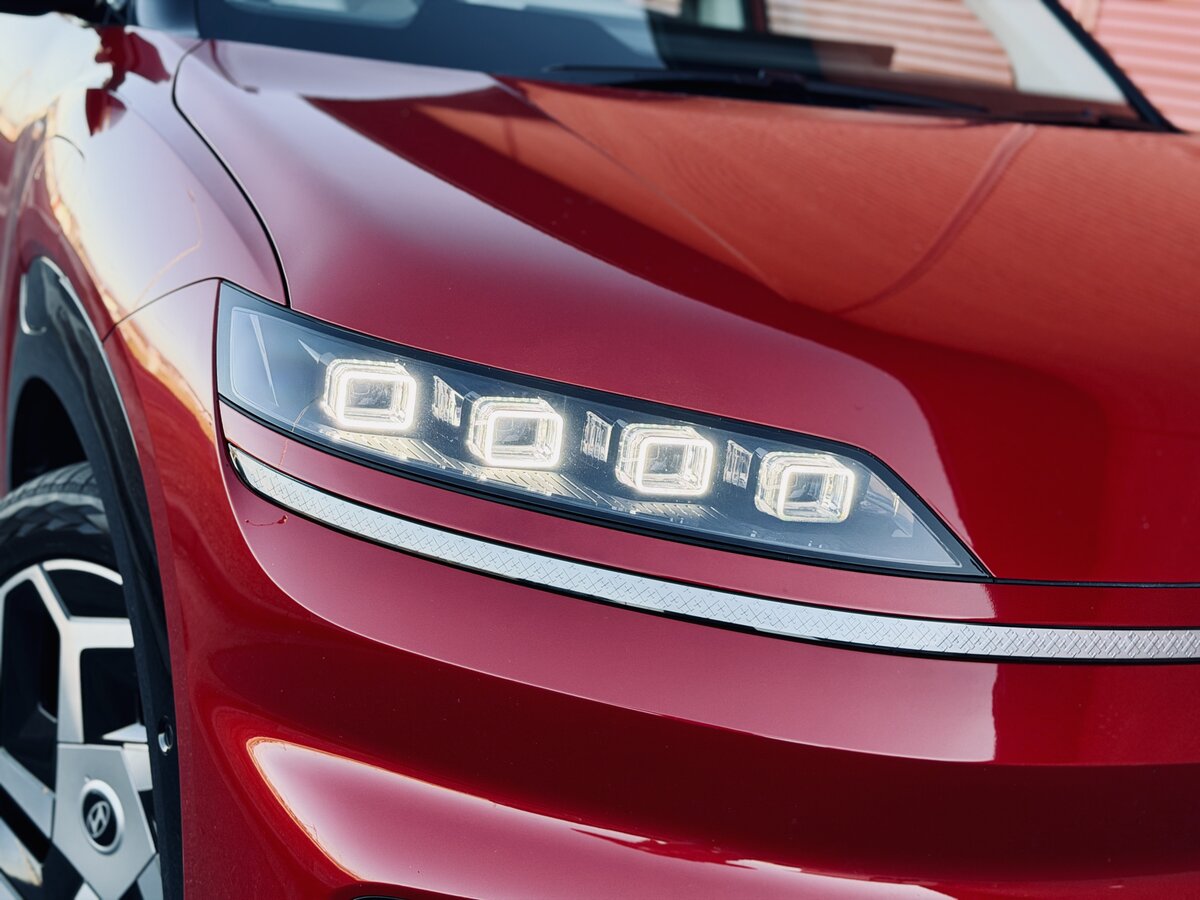
I borrowed the base-spec 160kW Elexio in a very fetching 'Dragon Red', and it pulled serious attention. It’s an unusual design, but arguably far less offensive than its siblings. At least it doesn't look like a frog that got rear-ended by a Porsche 911 (looking at you, Ioniq 6).
Swipe or scroll sideways · 8 images
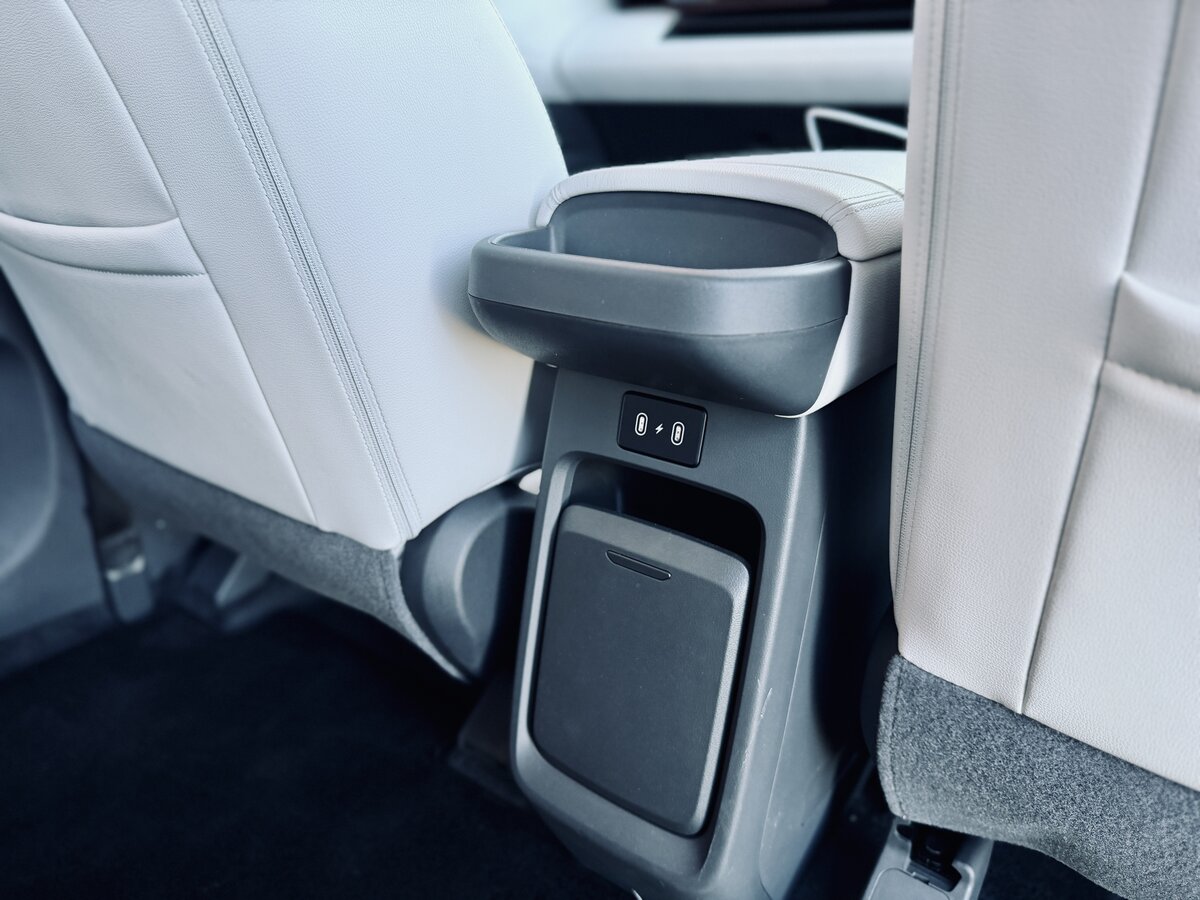
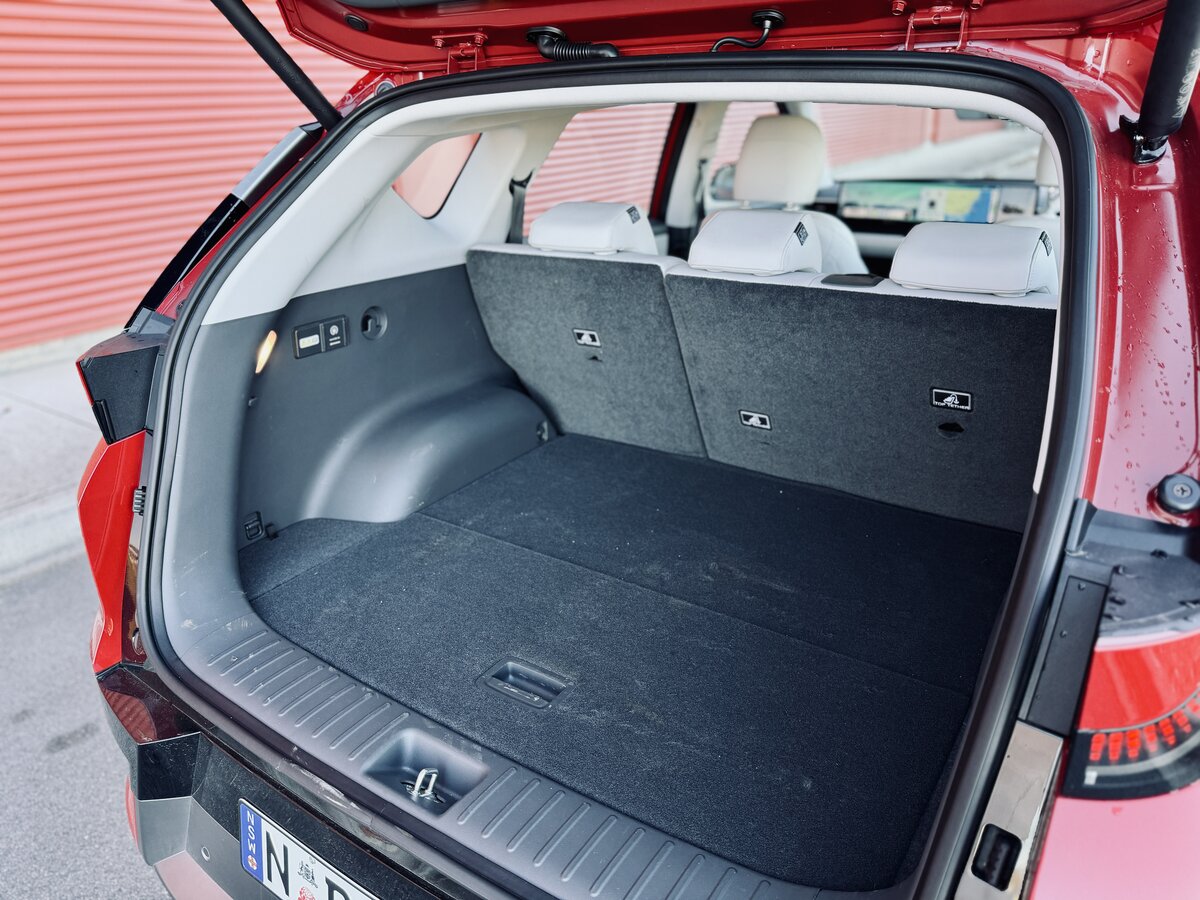
Inside, there’s heaps of space, complemented by light-coloured materials that make you feel like you've stepped into the wellness retreat of a spaceship.
The ride is properly excellent, avoiding the sickly floatiness that plagues a lot of Chinese-built EVs. Even a particularly noxious stretch of the Monaro Highway near Richardson - where cars have resorted to literally nearly driving along the shoulder to avoid the worst of it - failed to upset it.
The steering is a touch vague, and despite engineers flying in from Korea and China to calibrate the safety systems for Australian roads, the lane-keep assist in particular seems determined to send you into other traffic at times. And approaching one roundabout, the car unilaterally decided to slam on the brakes for some reason, flashing a message to "Drive carefully". It'd be nice if it took that on board.
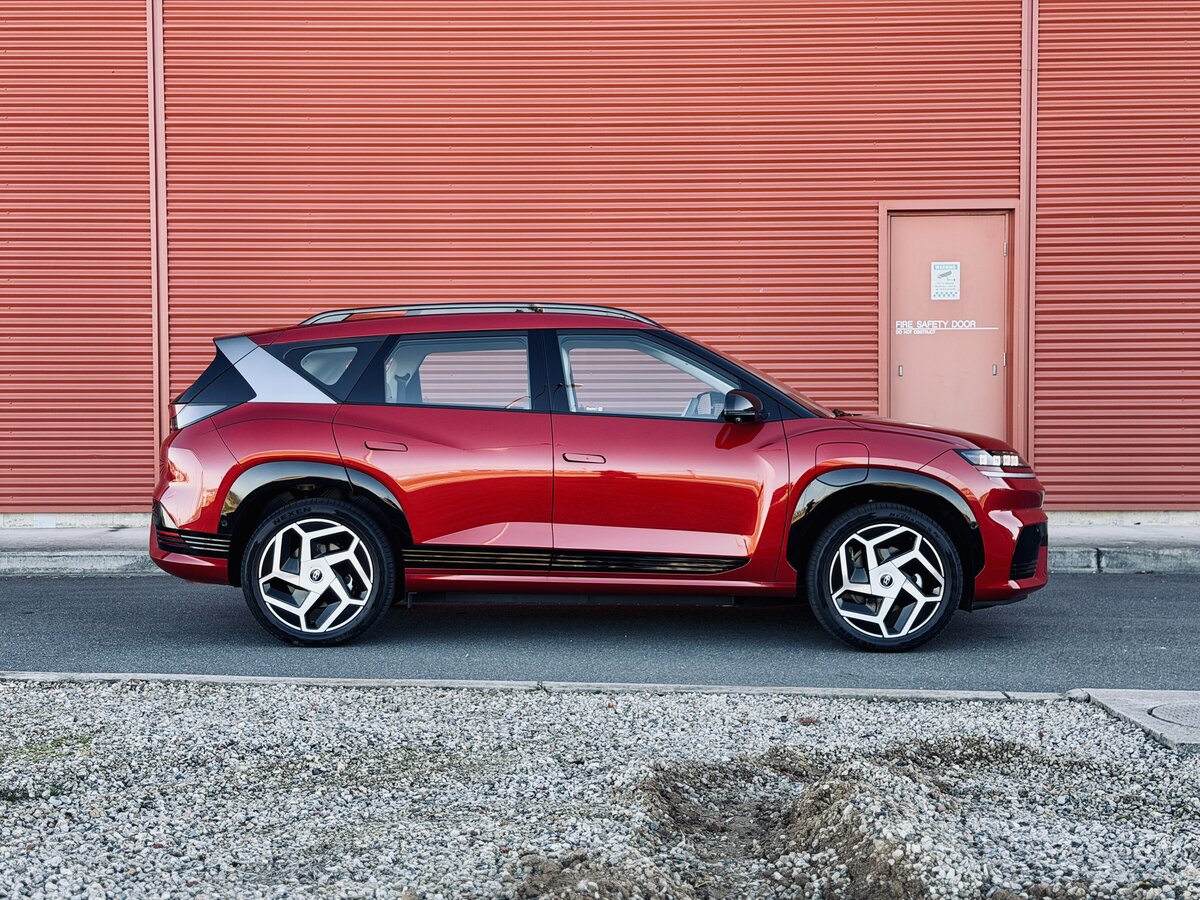
This, or a Kia EV5? Photo: James Coleman.
The verdict
Hyundai has tried to play a clever hand here, beating the Chinese brands at their own game. It is still nearly $20K more expensive than Geely EV5 and $10K more than a XPeng, but with this you're also getting a badge that's been in Australia for more than five minutes.
And it is a genuinely pleasant EV. You just have to try to keep that in mind while your teenager completely hijacks all your settings from the passenger seat.
|
|