

{{item.Subject}}
New car review
Learn about events, happenings and more
This is exactly the car we're going to miss in 20 years’ time
Thursday, 25 June 2026 | James Coleman
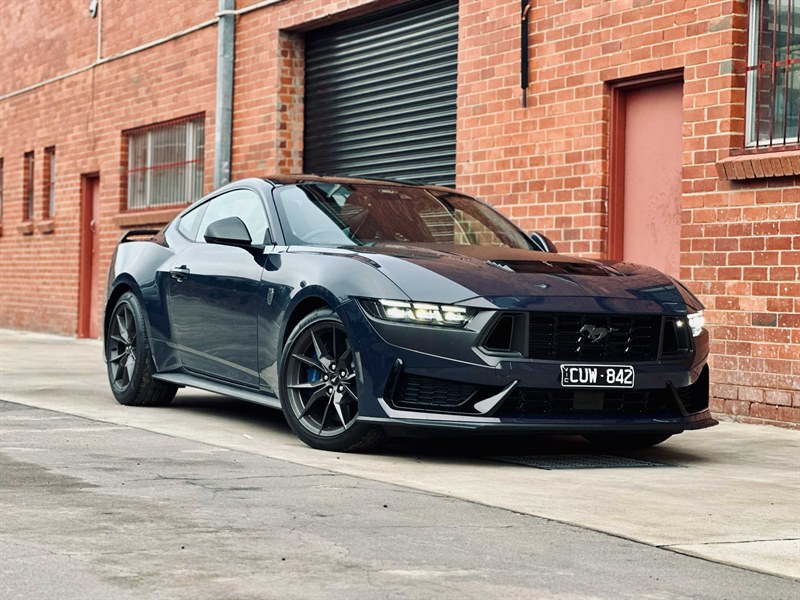
You can't buy the new car in these pictures today. I might as well be writing a review about a unicorn. Or responsible government. Or some other total fiction.
Except Ford had mercy on us.
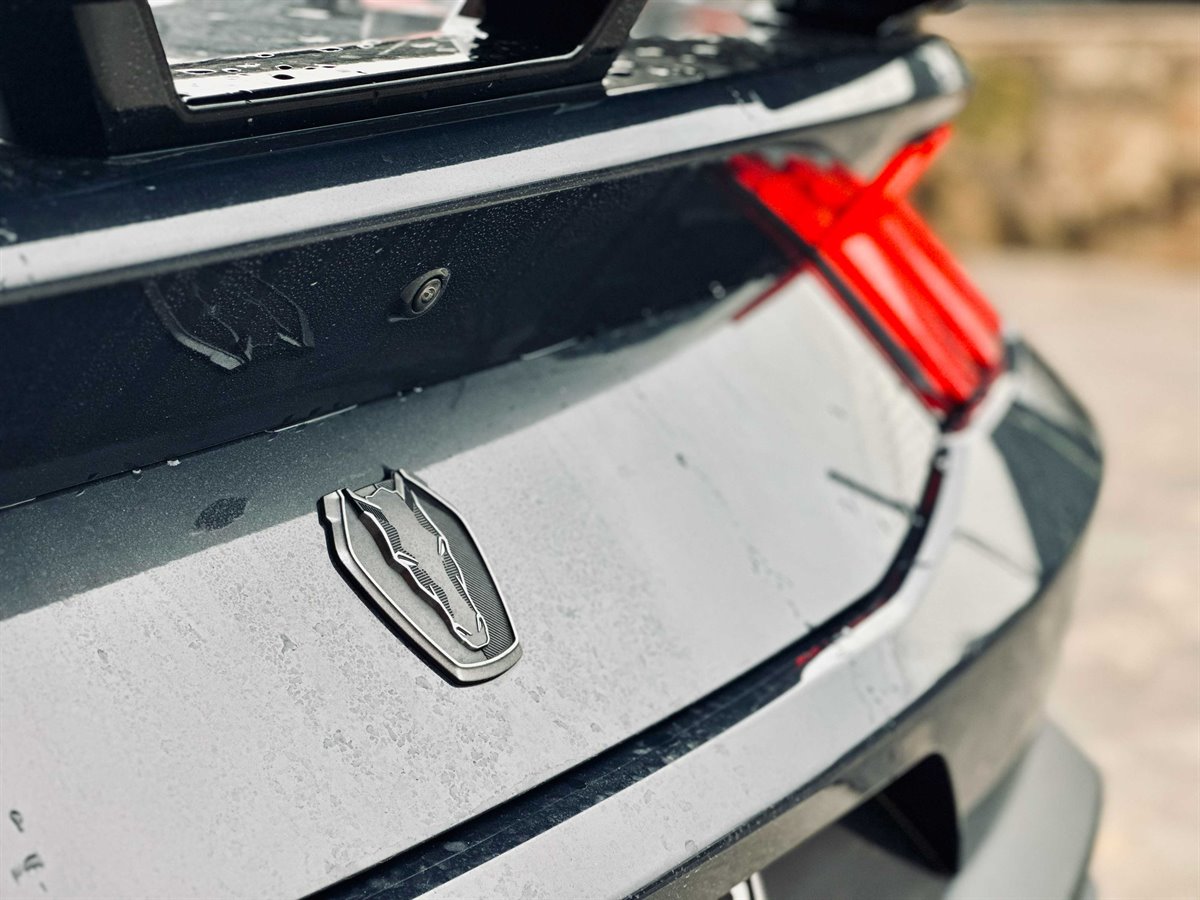
This - the Mustang Dark Horse - arrived last year, strictly limited to 1,000 units in Australia. And every single one sold out before the ship even docked. Fortunately, however, the success was such that Ford has confirmed they’re building more for 2026. 500 more, to be exact.
The 2026 Dark Horse gets a few fresh paint options with delicious names like Molten Magenta and Orange Fury - the latter sounding like something the Iranian military should probably be running for cover from. There’s also a T8-Spec Pack version, limited to 250 units, where Ford basically handed the keys to the engineers at Triple Eight Race Engineering to sharpen it for track work.
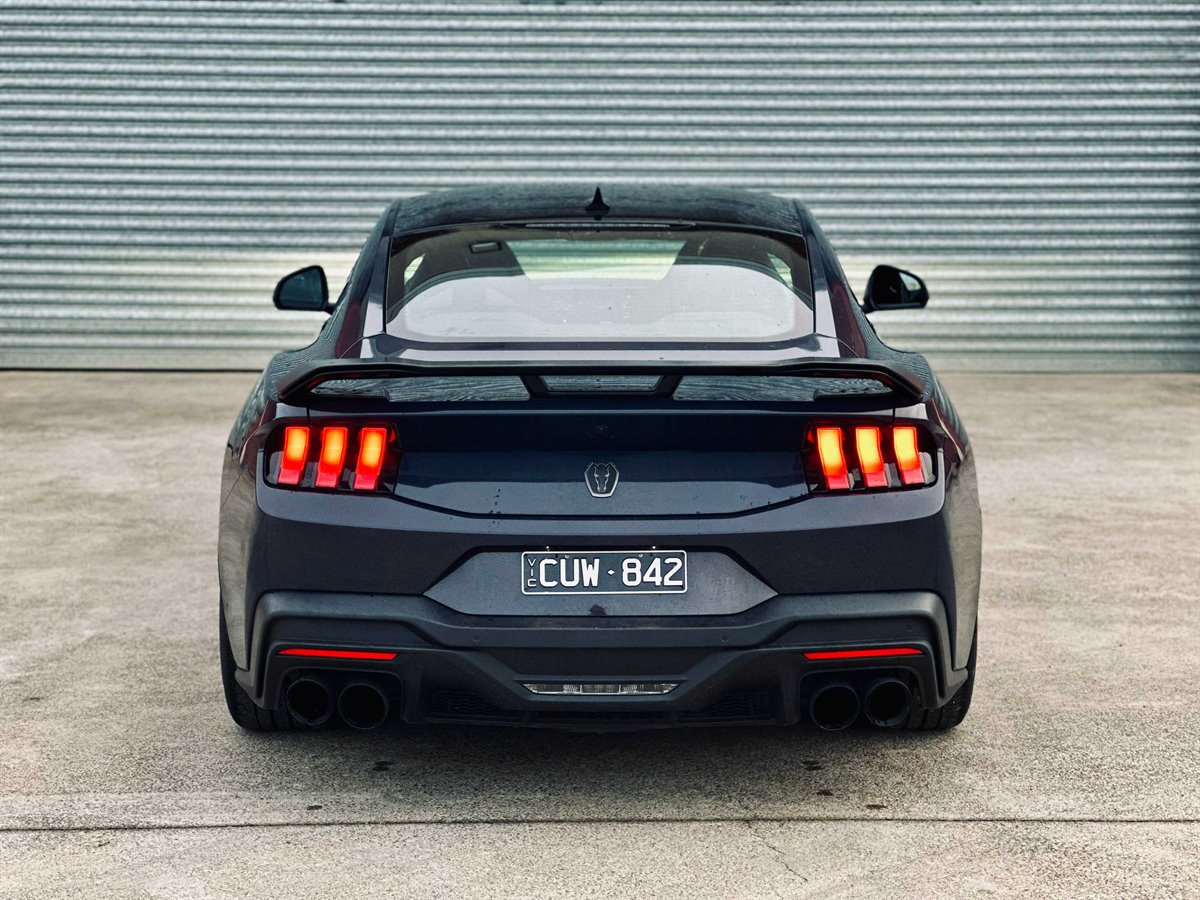
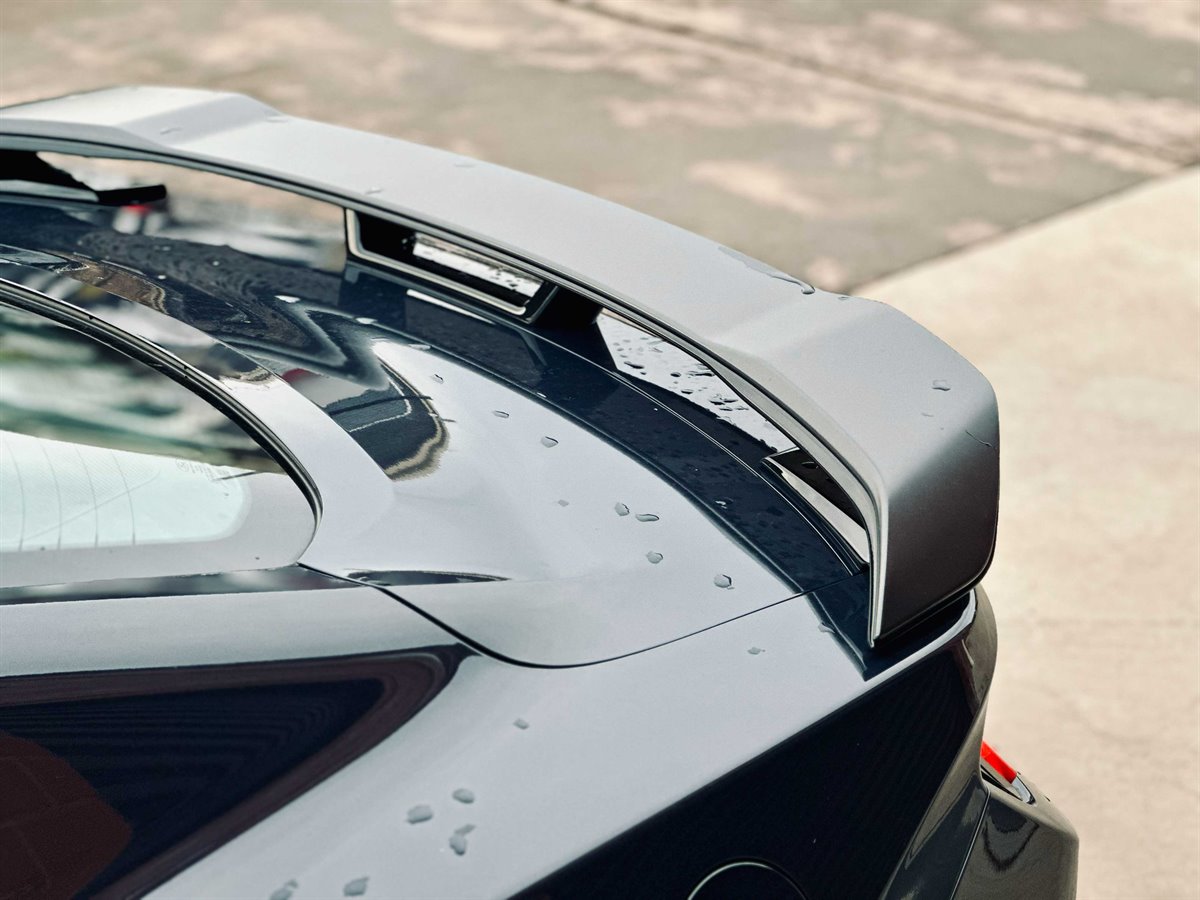
But stripped back, the 2026 model is identical to this 2025 Dark Horse in 'Blue Ember' I've borrowed from Ford Australia. It’s just a pity if you’re a collector who bought the original as "one of 1,000" dreaming of the massive returns it would net as a prized classic in years to come. Mind you, Albanese and Chalmers will probably want at least 30 per cent of the profits by then anyway.
If they even allow a car like this on the road.
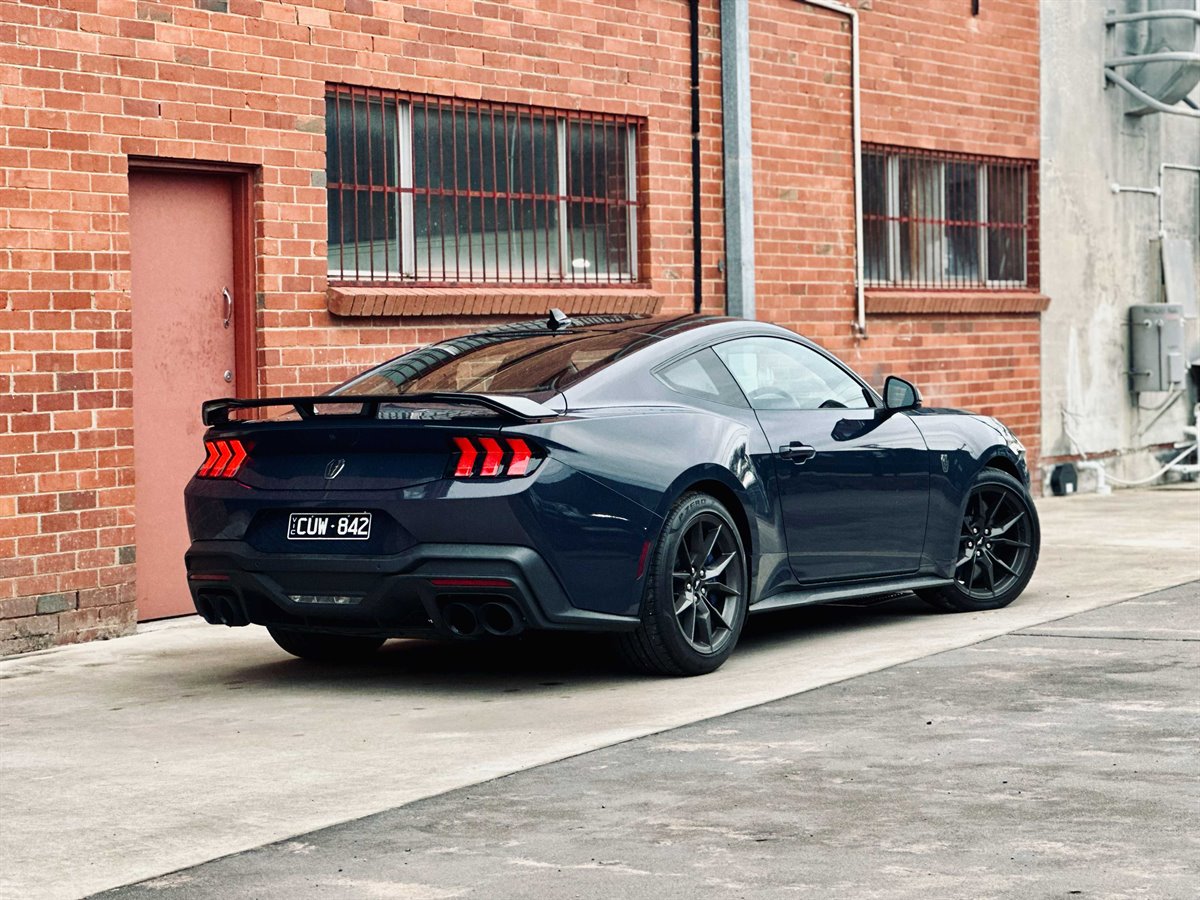
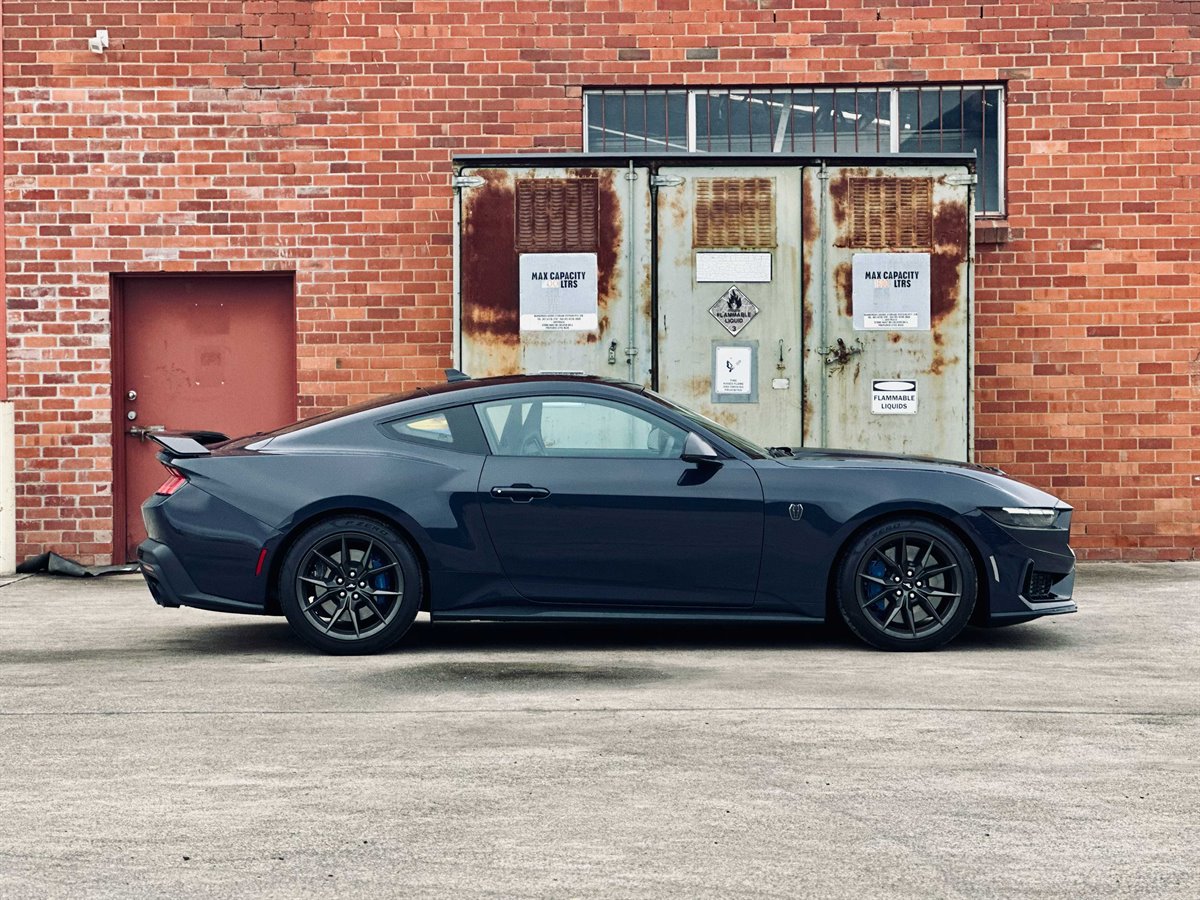
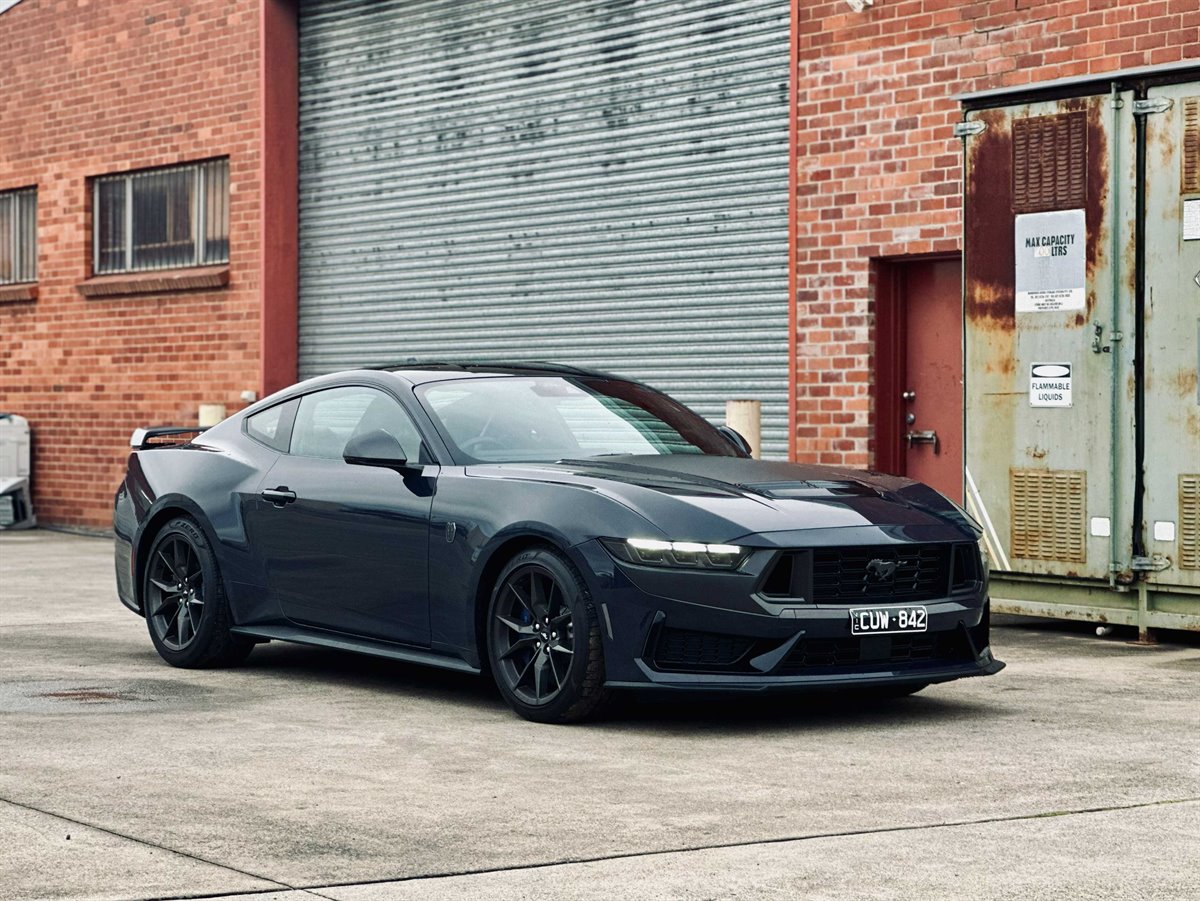
Swipe or scroll sideways · 10 images
What is it?
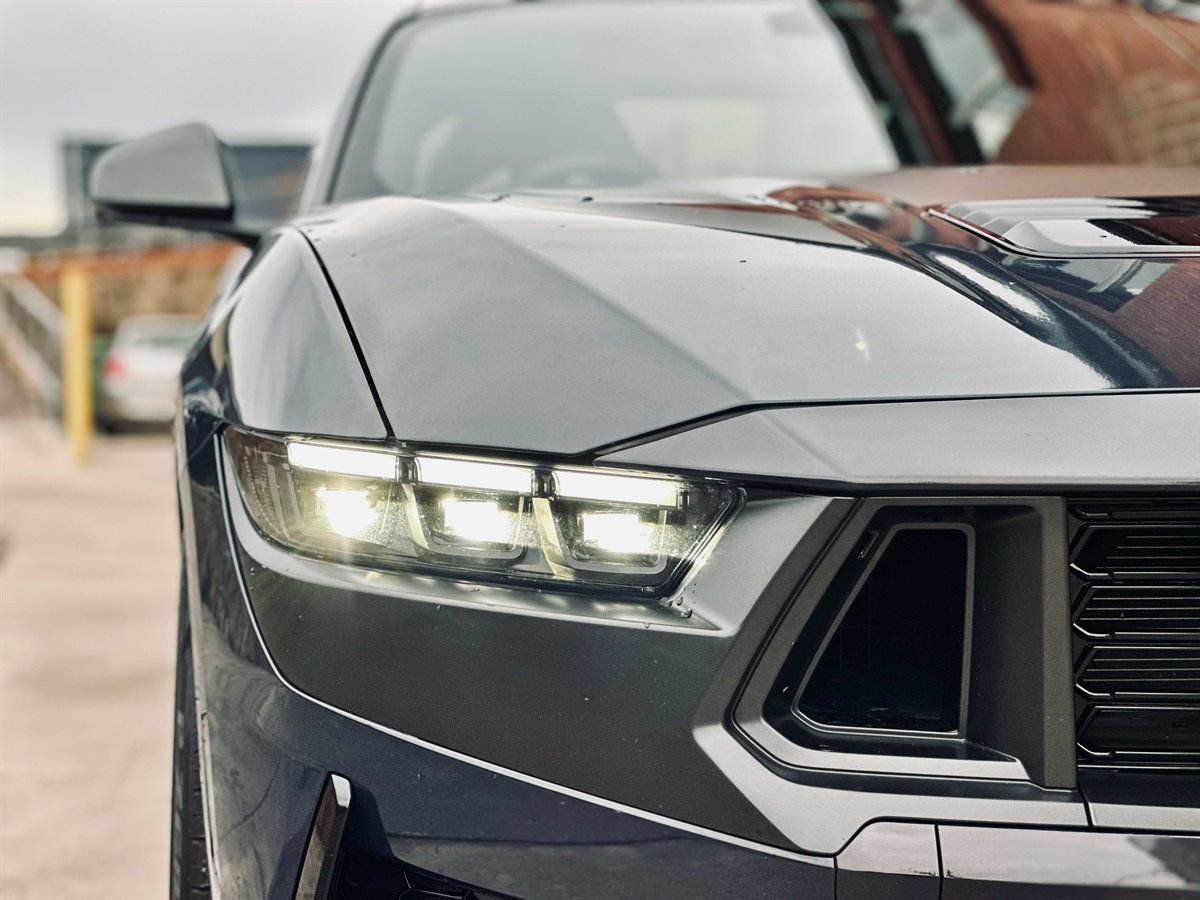
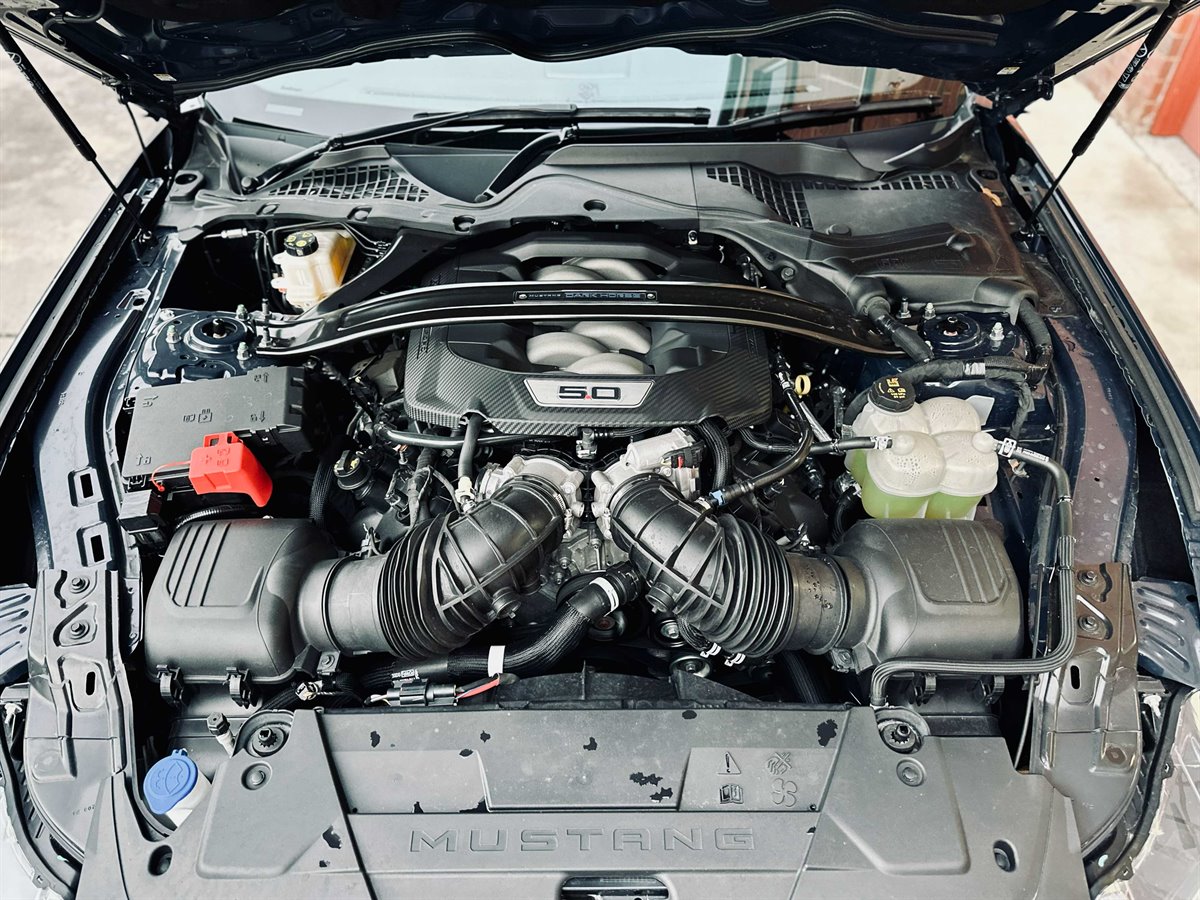
It’s a hulking great V8 sending power to the rear wheels through a six-speed manual gearbox, all encased in a muscly body that’s bigger and shoutier than it strictly needs to be. The original 1,000 allocation was split 50/50 between manuals and automatics, which baffles me - an automatic Mustang makes about as much sense as a vegetarian restaurant.
It is a recipe we’ve been conditioned to think is dead, buried under today's mountain of heavy EVs and same-same SUVs. And it is glorious.
There’s not much point telling you the 2025 car started at $99,102 since it’s gone, but the incoming 2026 Dark Horse jumps to $104,990 before on-road costs. For context, a standard Mustang GT manual starts at $78,990.
What's it like to live with?
Let’s get the annoying stuff out of the way first. One, because it’s to be expected. Two, because the moment you hit the starter button, you’ll forget all of it.
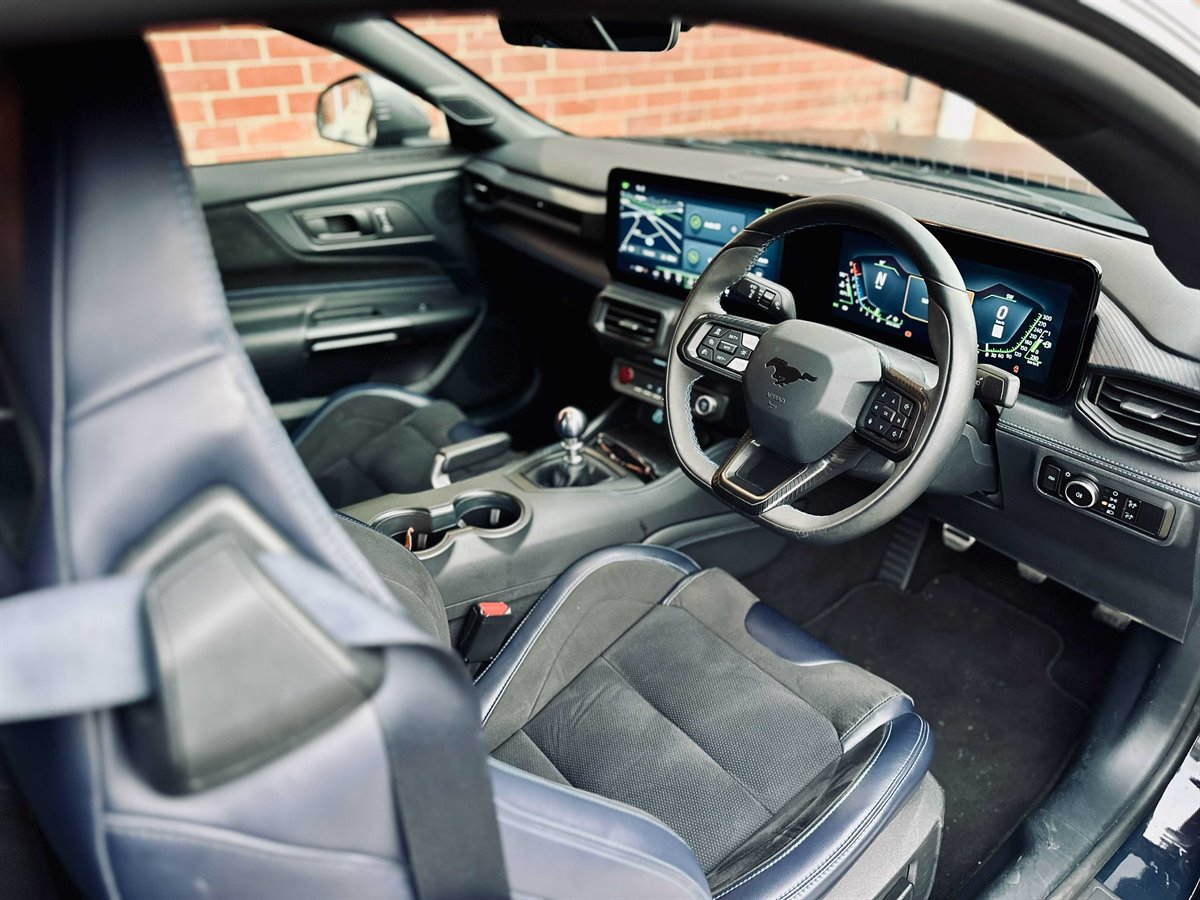
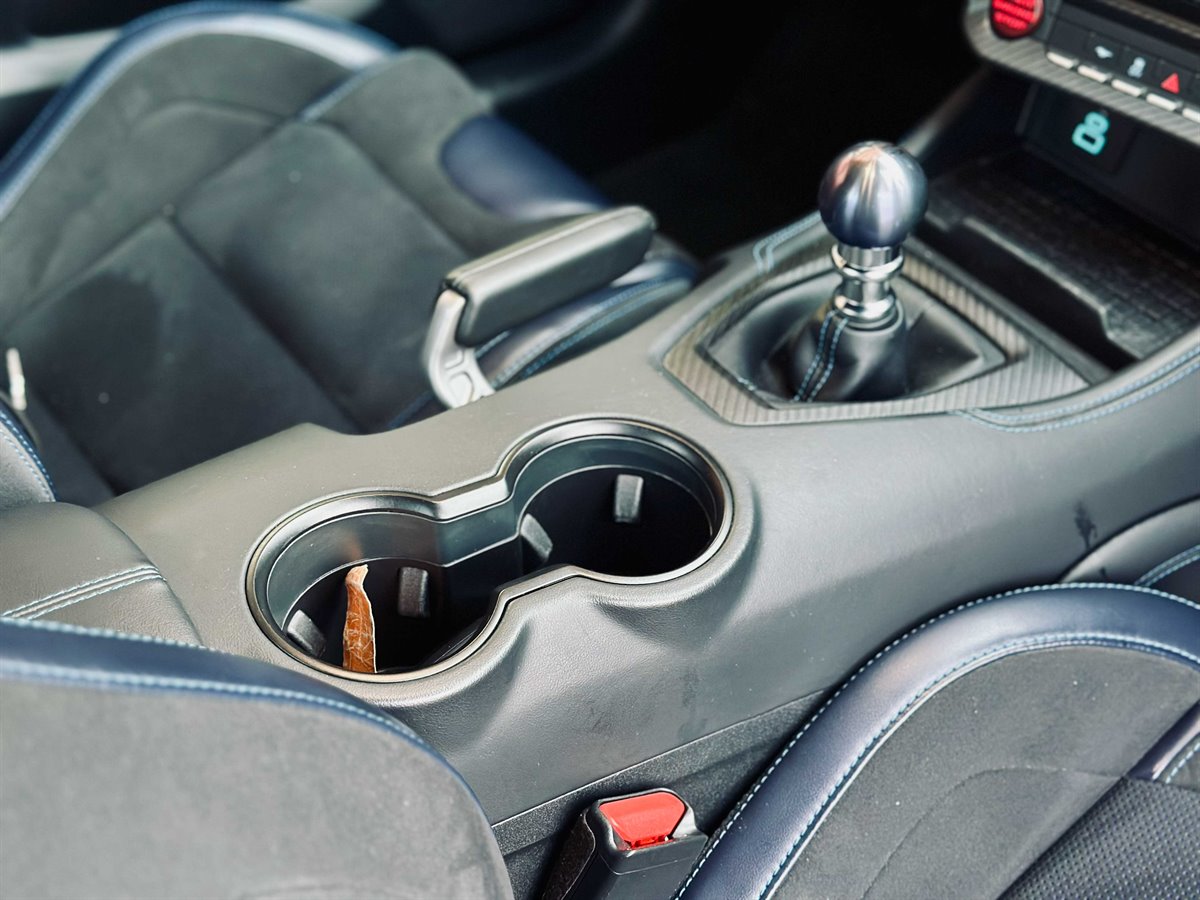
That thing shaped like a proper handbrake? It isn’t one. It’s just a giant, stylized button for the electronic parking brake. You push it down to release and pull it up to engage, but the lever never actually changes position. It’s weird.
They’ve also mounted it on the wrong side - the passenger side.
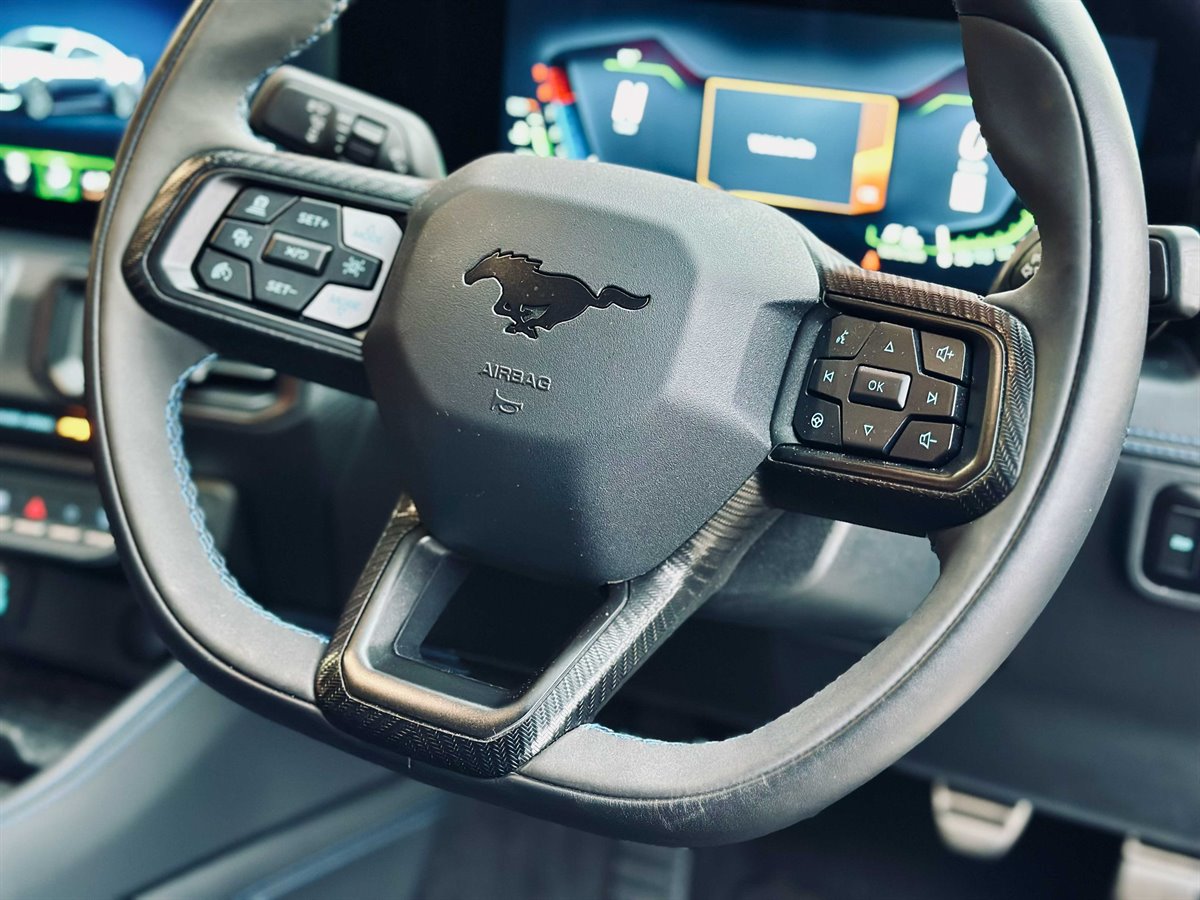
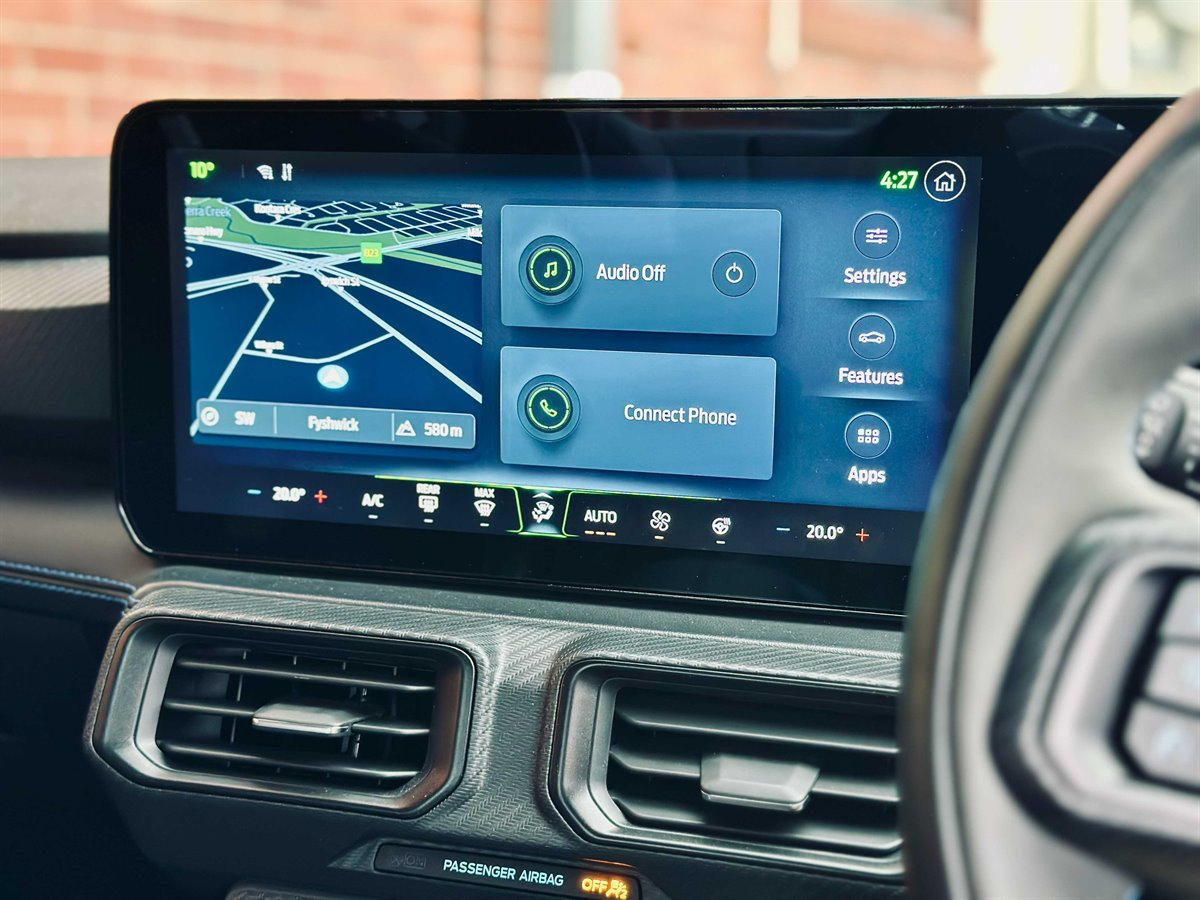
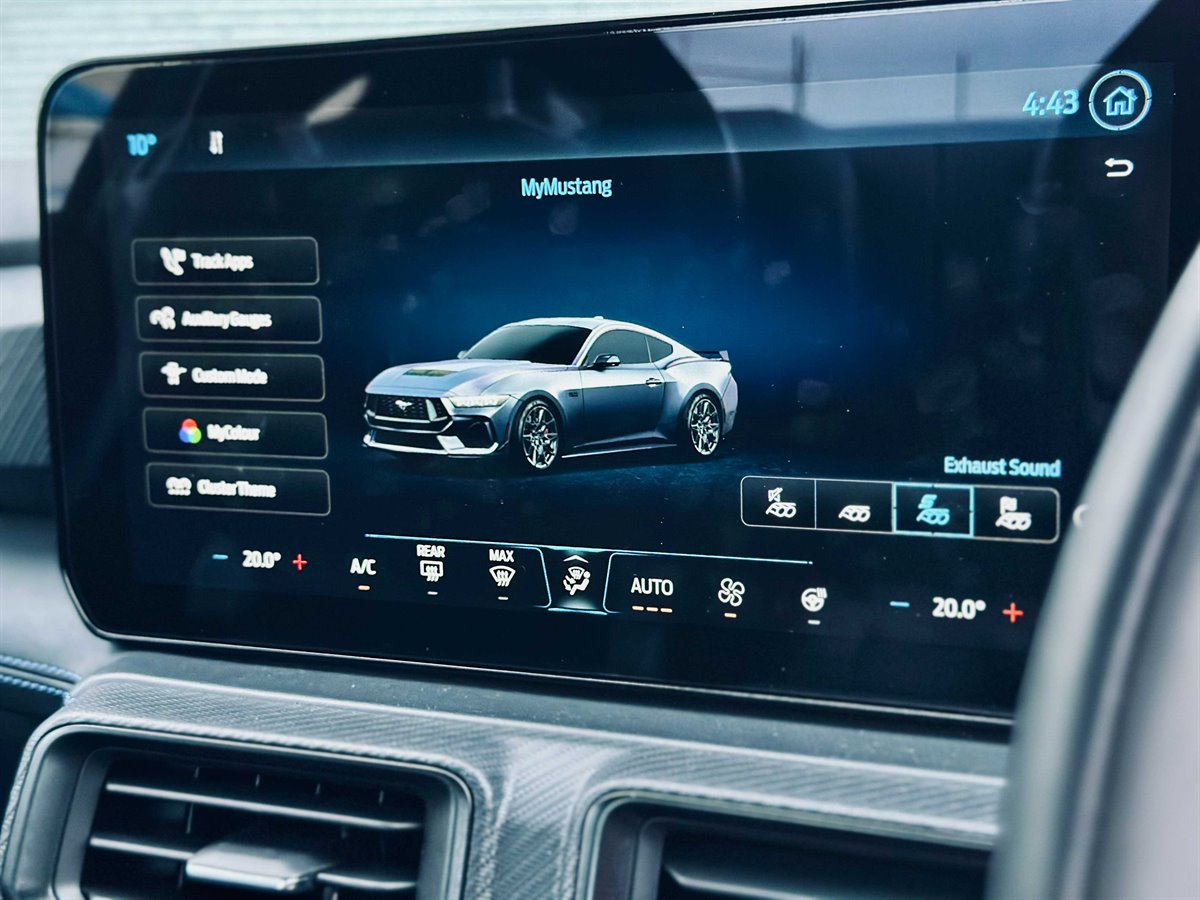
Closest to the driver are two cupholders, but anything you dare place in them - from a phone to a pair of sunnies - instantly blocks your gear changes. The interior plastics feel a bit cheap in places. And as much as I adore the novelty of using the touchscreen to swap the digital dash from a race-car layout to a classic 1960s Mustang interface, part of me yearns for real dials. Car makers are progressively giving our buttons back; I want my analogue needles back too.
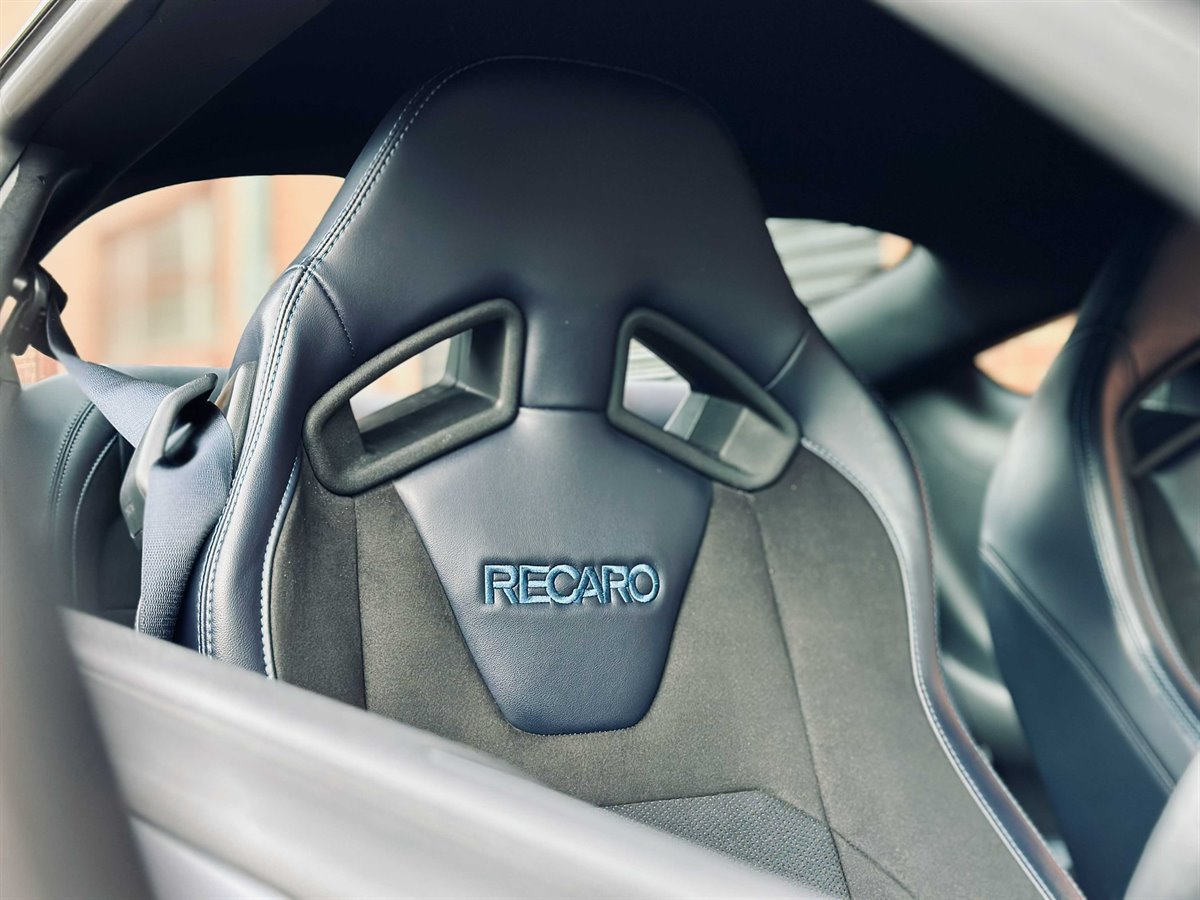
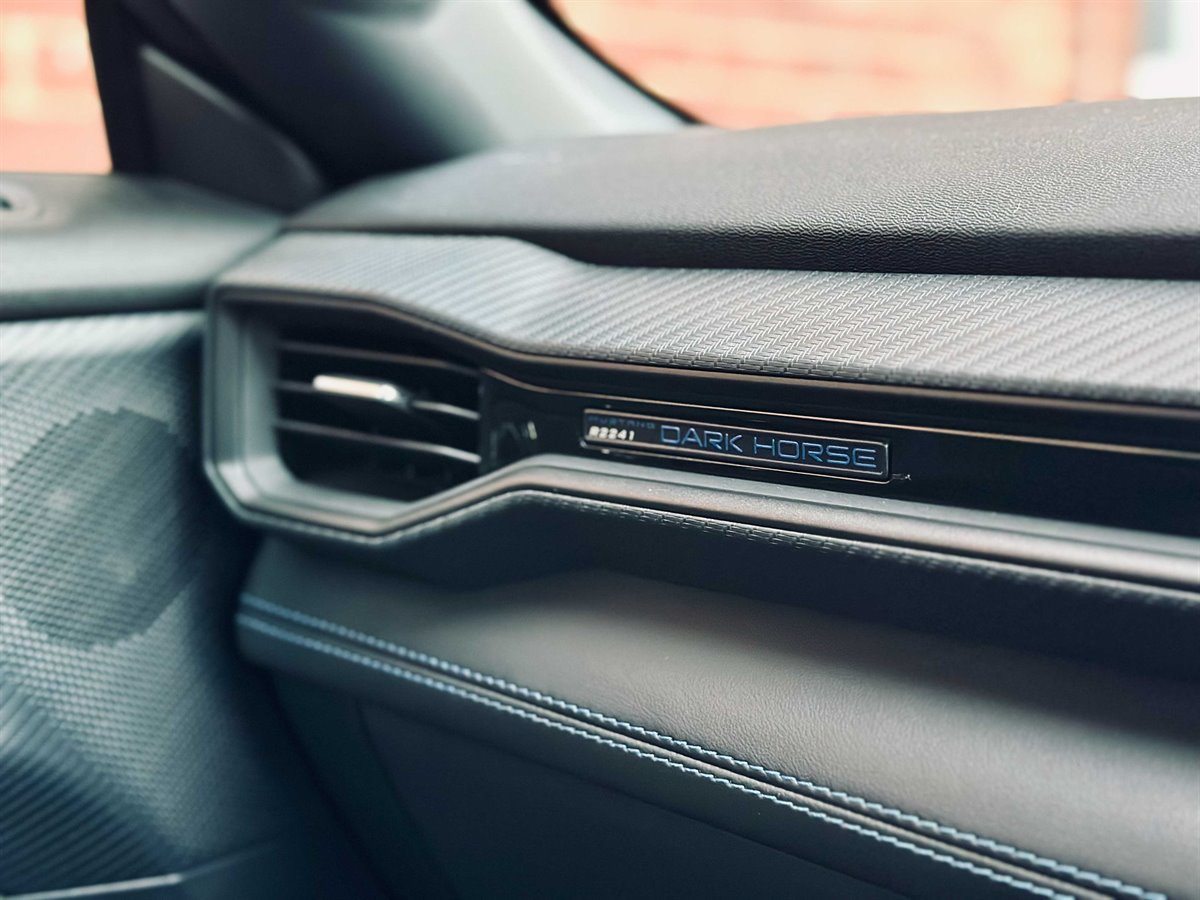
The wonderful Recaro seats lift the entire cabin experience, though, and the blue interior theme perfectly complements the evil exterior combination of pearlescent purple and matte grey.
Also, a quick PSA for anyone looking at that exposed metal gear knob and anticipating third-degree palm burns this summer: it’s made of titanium, which dissipates heat far better than aluminium or steel.
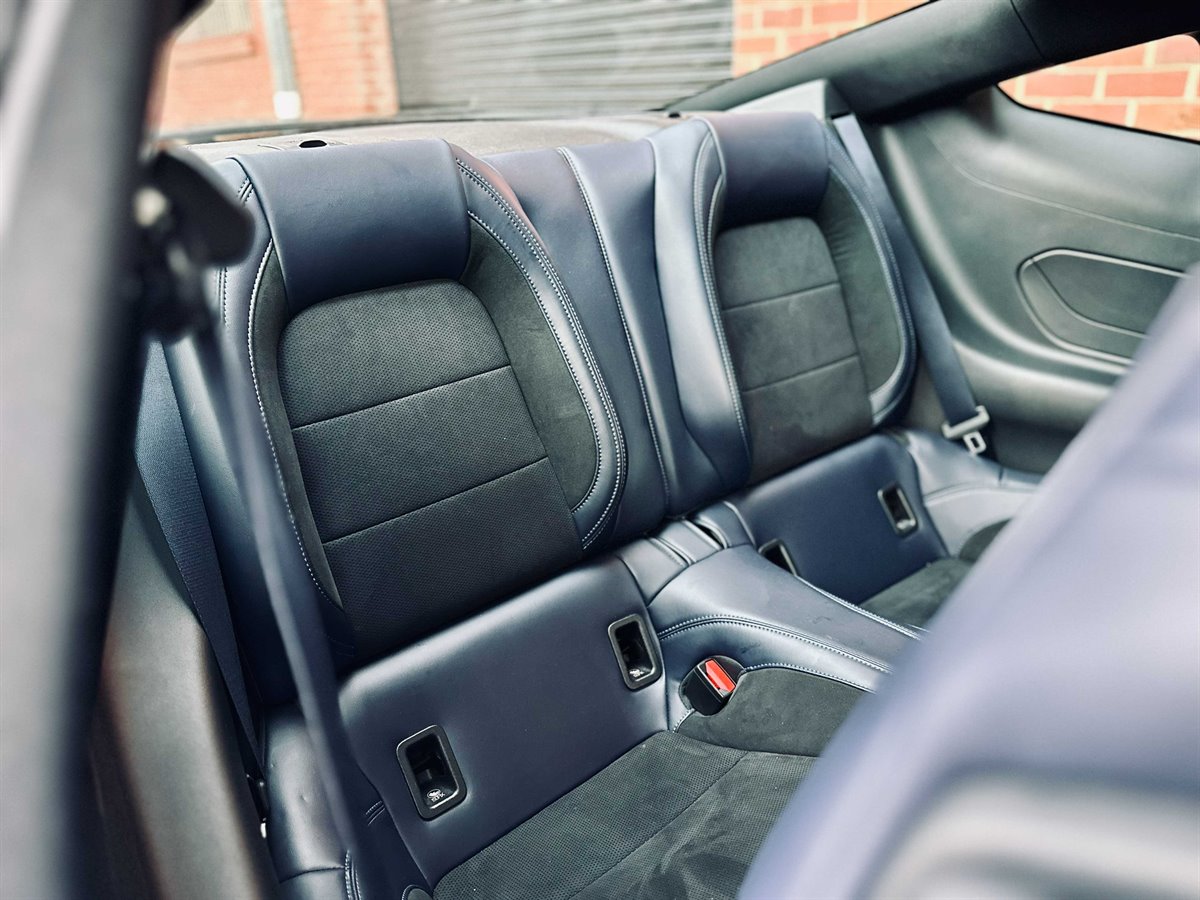
Is it practical? No. It’s very low, and the two rear seats are mostly useless (shoving even a basic backpack back there is a wrestling match). However, boot usability is surprisingly impressive. It can fit a whole pram. You just need to find somewhere else to put the kid.
Swipe or scroll sideways · 9 images
Then you start it. The V8 fires up with that classic long, guttural bark, and all the Mustang's sins are instantly forgiven.
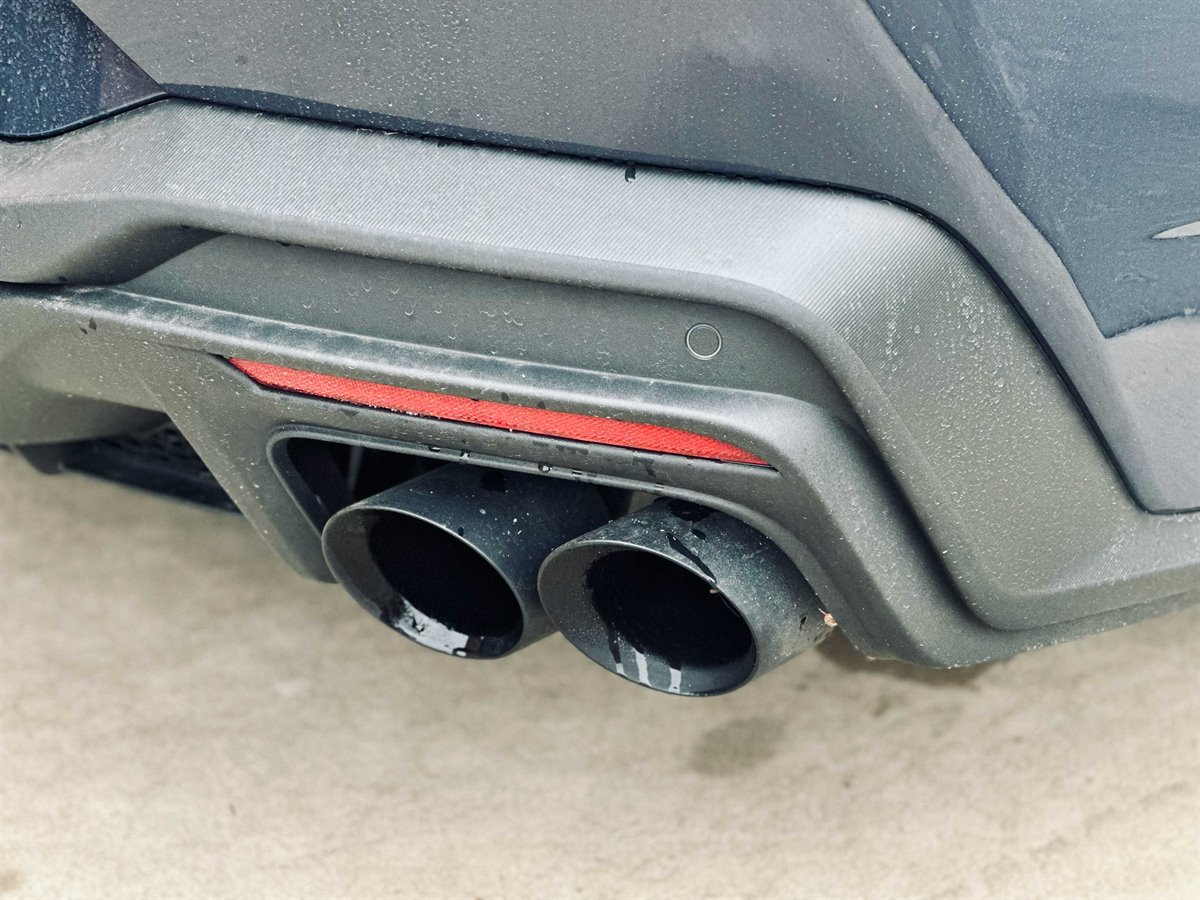
There are multiple drive modes to play with, each cranking the exhaust valves open a little wider. By the time you toggle it into 'Track', your neighbours will know you’re turning into the street by the way their house shimmers on its piers.
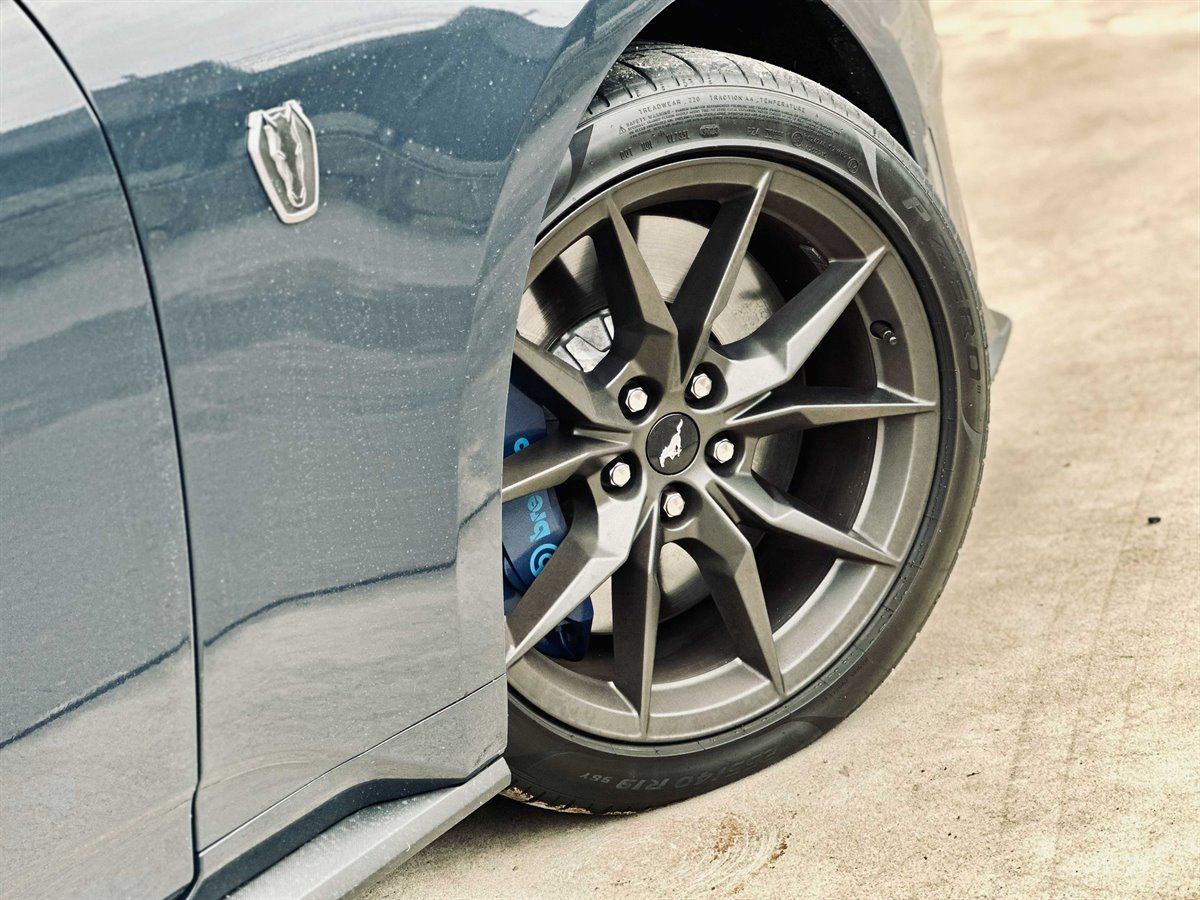
As it should, the Dark Horse scores some extra oomph over the standard GT - 350 kW compared to 345 kW - alongside stiffer suspension, sharper steering, bigger brakes, and wider wheels.
It is seriously fast. But honestly, I didn't even bother trying to clock a 0-100 km/h time. I was having too much fun playing DJ with the snickety gear lever and listening to the soundtrack. The transmission has an incredibly short throw and features automatic rev-matching, meaning you can almost drive it without touching the accelerator on downshifts.
Between that tech and the massive slab of digital screens across the dash, you do occasionally wonder if the Mustang has gone a bit too Gran Turismo. Digital. Distant.
But then you plant your right foot halfway through a roundabout and immediately realize this car shares that same jovial tolerance for misbehaviour as its more technologically primitive ancestors.
The verdict
The Mustang Dark Horse is monumental fun. And Ford should keep building them way past the 500-unit mark - every year, until environmental regulators can literally not be beaten off any longer.
The only real question is whether the Dark Horse is worth the premium over the standard GT. For most people, it isn't. The GT has a slightly softer, more liveable edge suited to the real world, while maintaining the same baseline testosterone-addled allure.
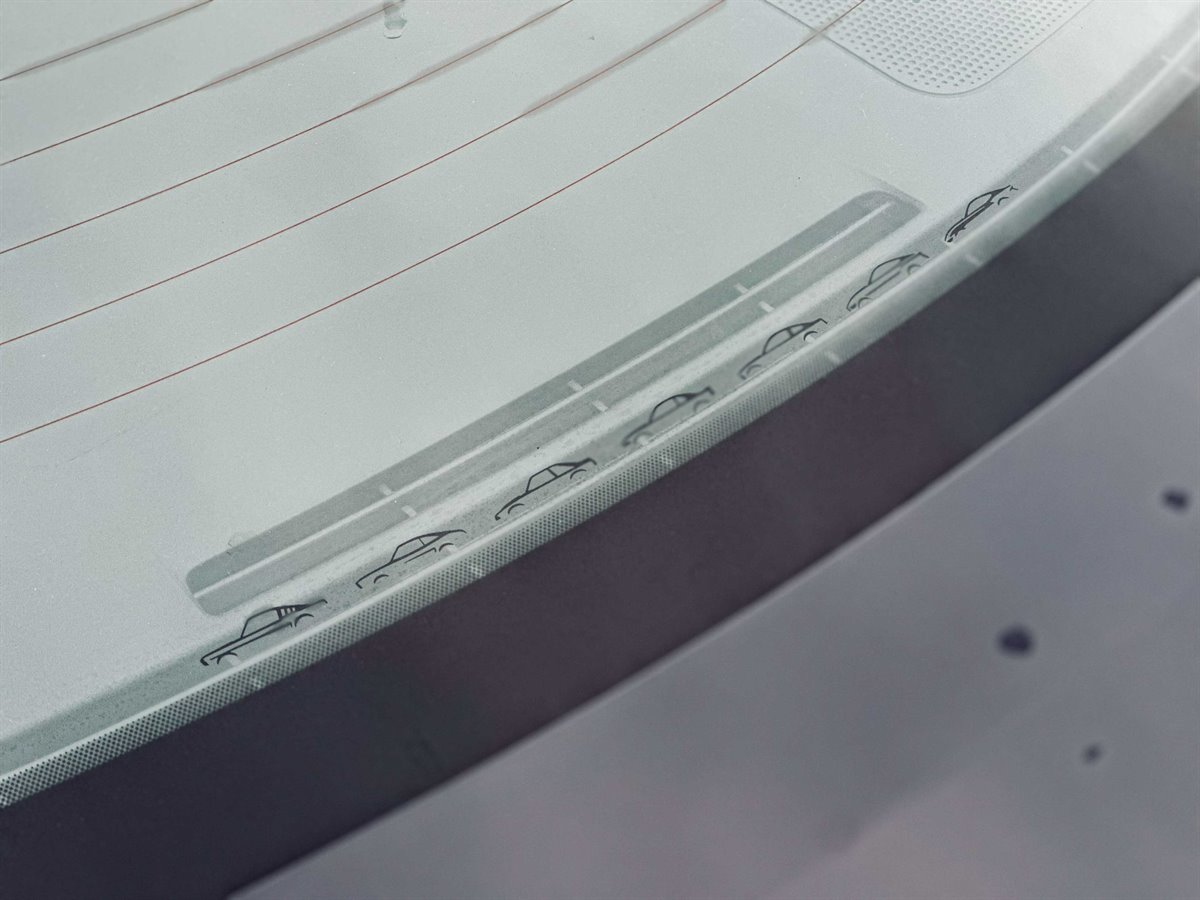
Choosing between a modern Mustang and a classic one? Now that's the much tougher question.
Thanks to Ford Australia for providing this car for testing. CARBIDS (ALLBIDS Group) has no commercial arrangement with Ford Australia.
|
|