

{{item.Subject}}
New car review
Learn about events, happenings and more
Why the most expensive Toyota HiLux is also the biggest disappointment
Tuesday, 30 June 2026 | James Coleman
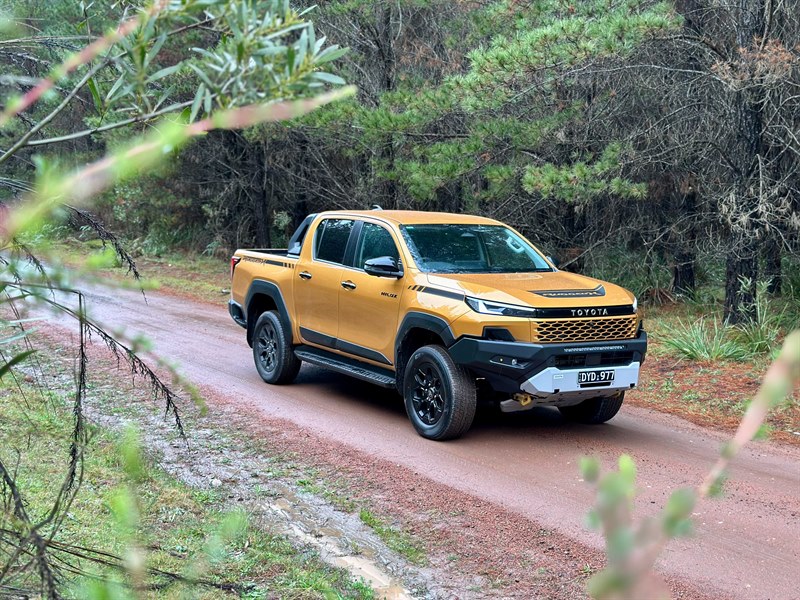
By this point in the development of the car, and the constant trickling down of trickle-down economics, we expect a few features as standard on a $71,990 car.
Up until this week, I thought we'd reached that point with automatic rain-sensing windscreen wipers.
But no, on the most expensive of the new HiLux models, Toyota has decided that you can do that yourself. Like it's 1996 again. And just my luck, it was very wet last week in Canberra. Which meant I almost used the stalk on my left more than my indicators.
The bad
There was more.
I know utes are designed by matter of their name to carry things in the back. And when they're not doing that, their rear suspension can be very bouncy. But the HiLux handles about the worst of any ute I've tried. It's like it doesn't even bother touching the ground between bumps because it's still in the air from the last one.
My wife and I sat in silence on most of our family outings in it, because every time we tried to talk, it's like the car had access to a vibrato function in our voice boxes and we just ended up yodelling at each other.
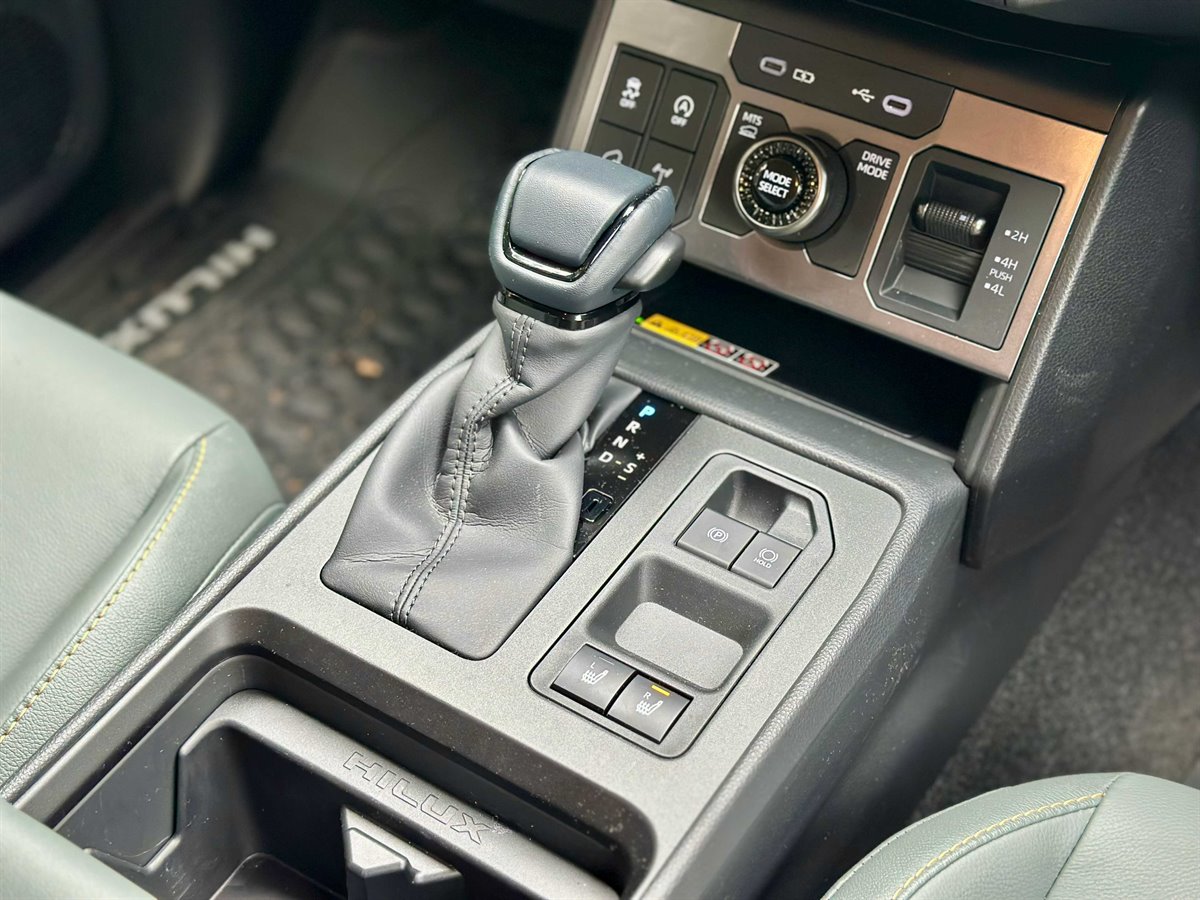
Then there are the heated seats. Lovely, of course. But there's only one setting, so your bottom is either cold, or on fire like it's slathered in last night's Indian curry. There's no room for 'just-so' warm.
At this point, I fear you really are buying a Toyota for the name.
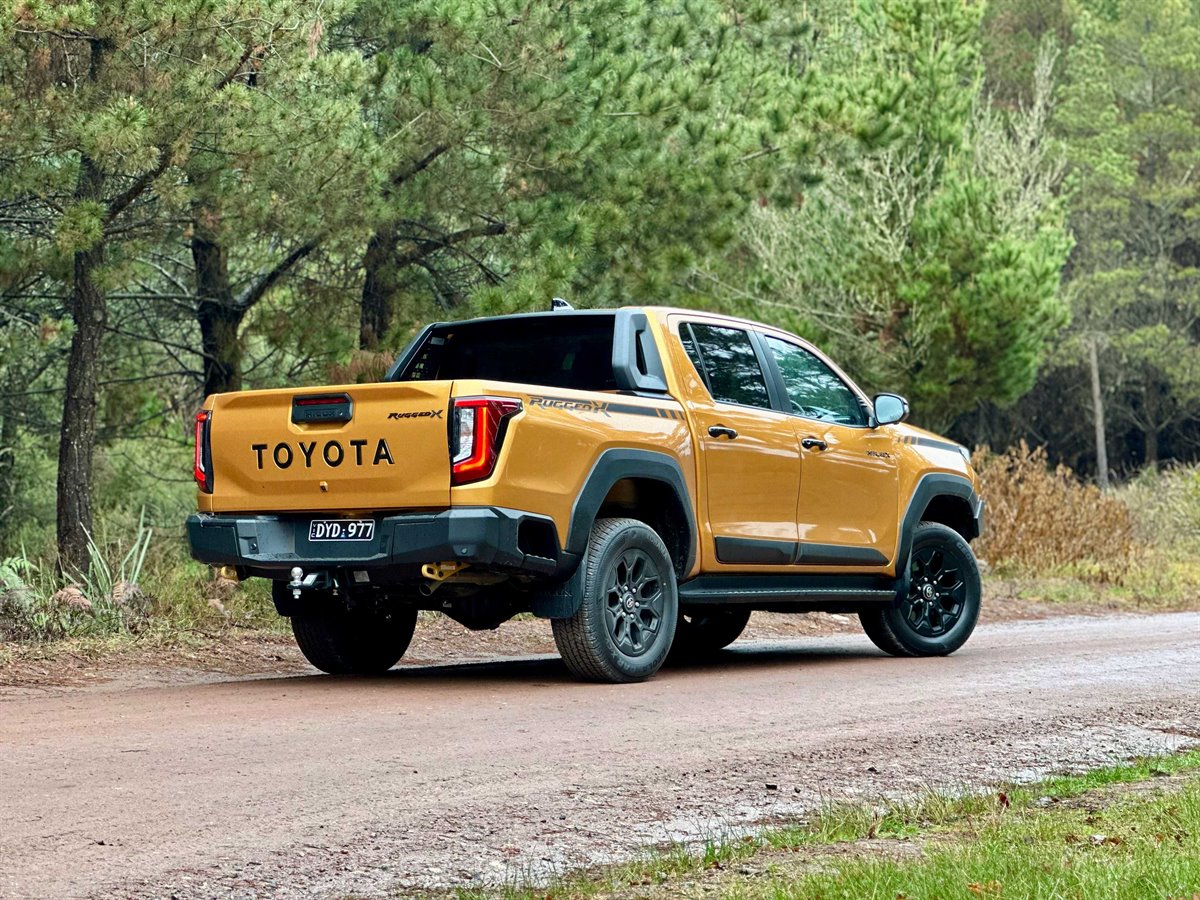
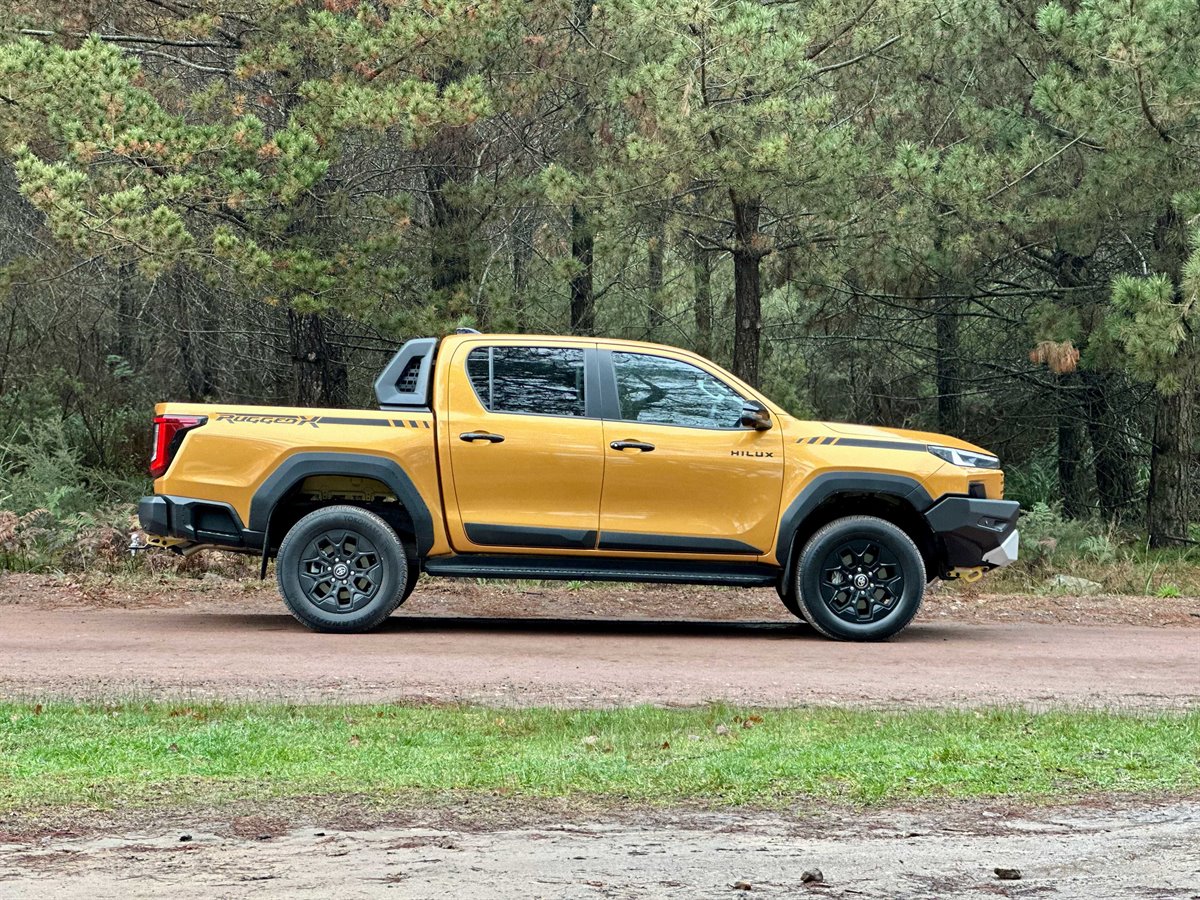
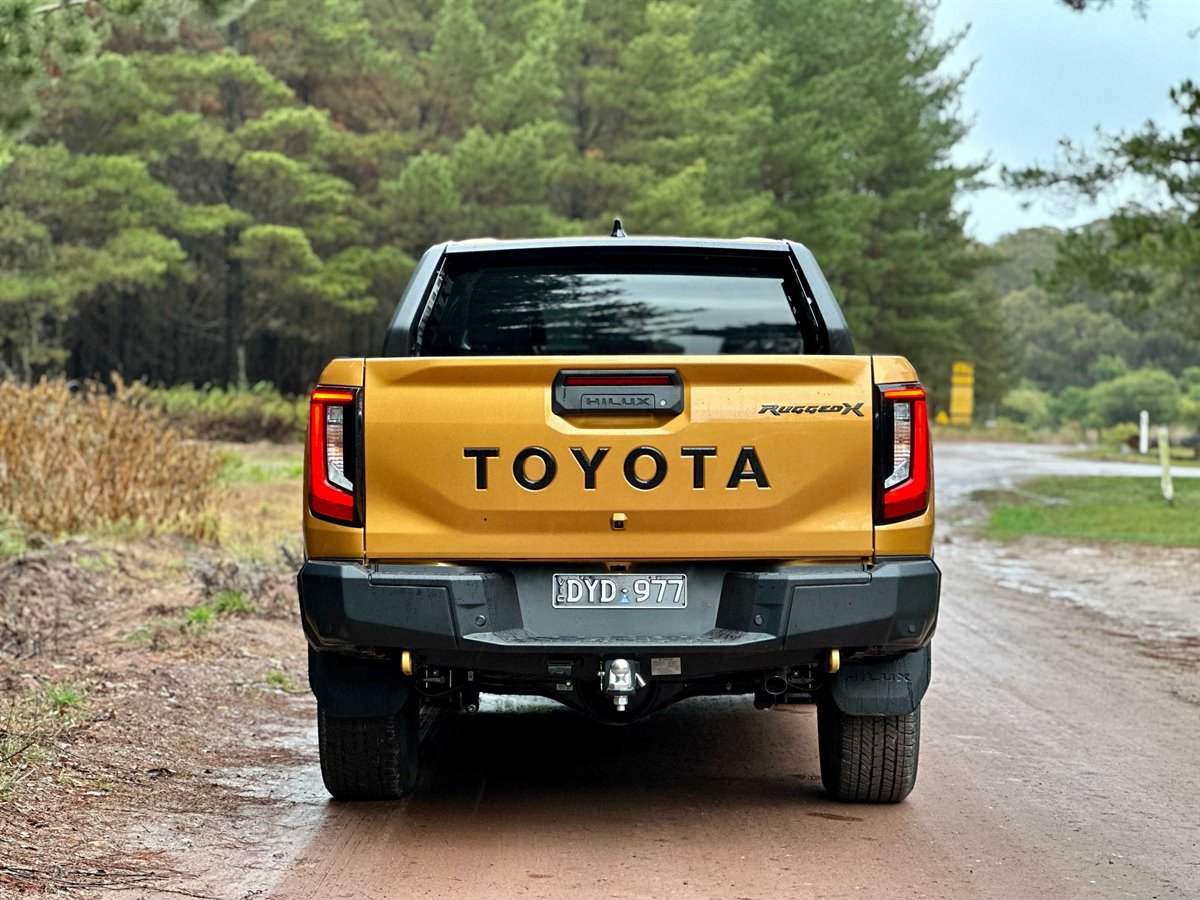
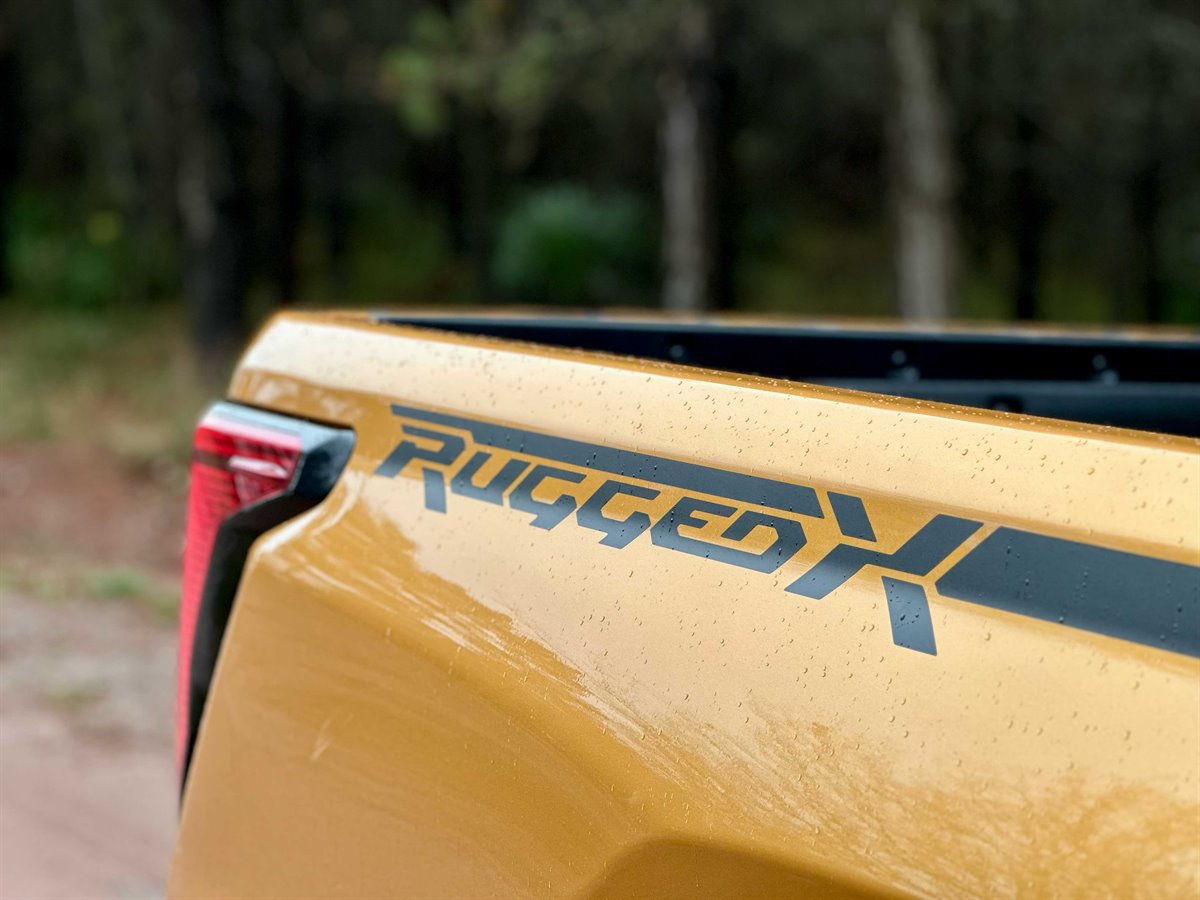
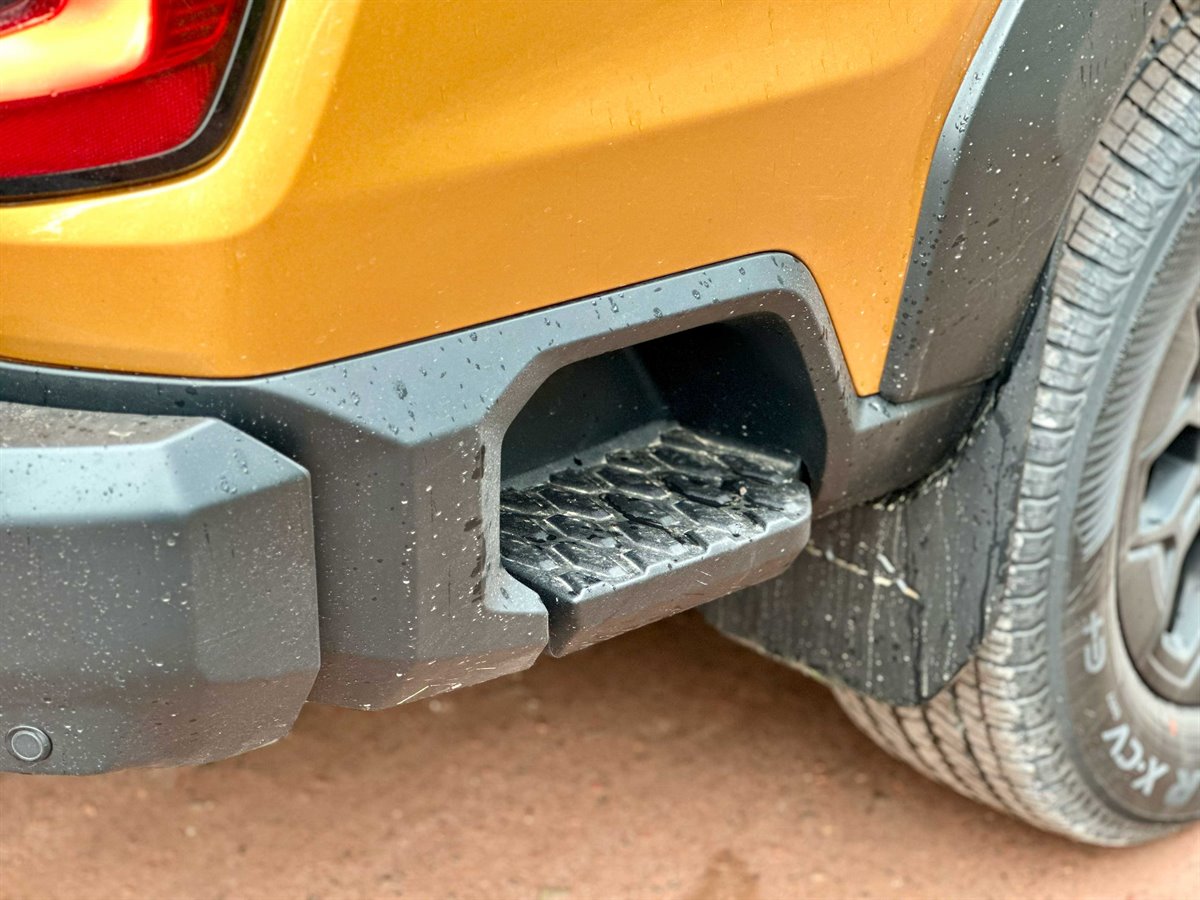
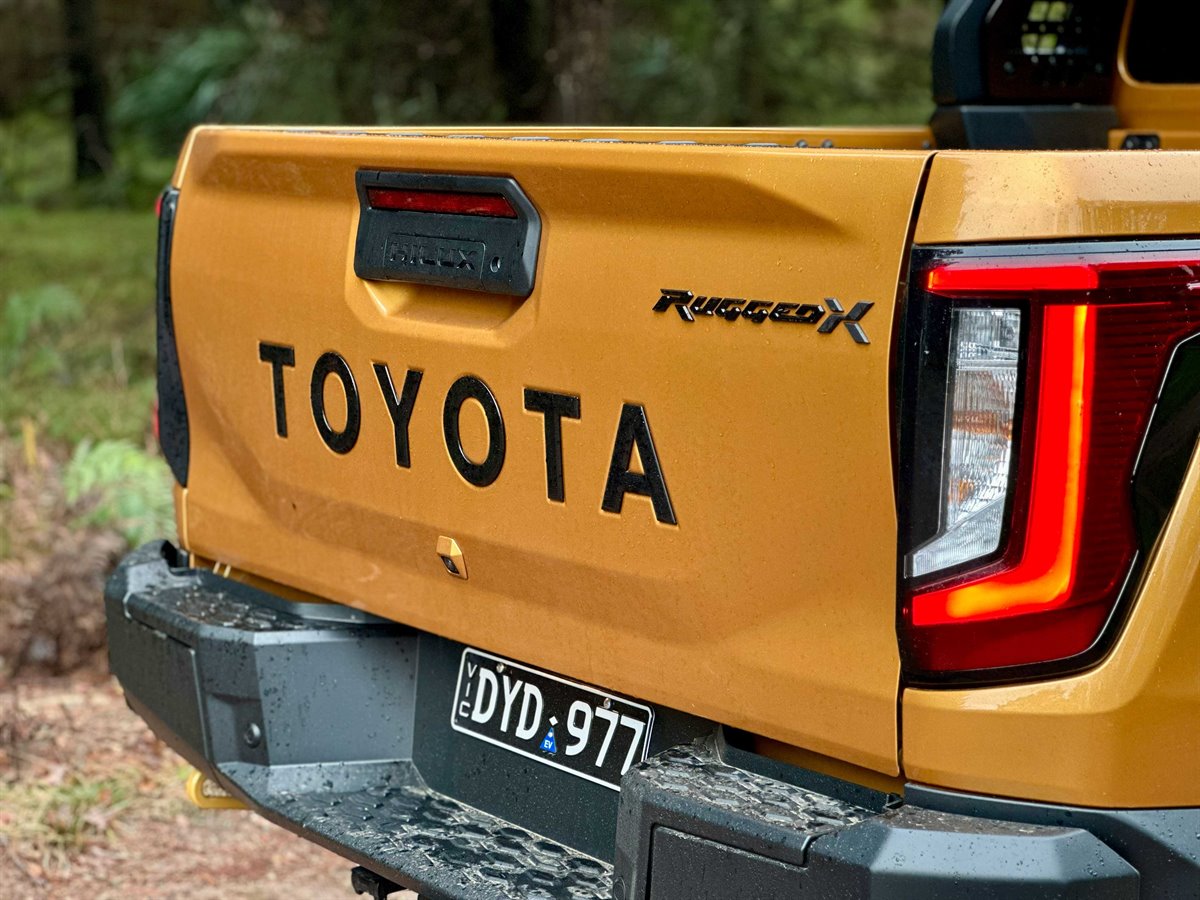
Swipe or scroll sideways · 10 images
I think the greatest disappointment is because we all had high hopes for the new HiLux. With Ford investing heavily to keep the Ranger towards the top of the sales charts, and Mitsubishi and Nissan finetuning their utes expressly for our rubbish Aussie roads, we expected similar effort from Toyota.
But all we got was a facelift. And a bit of a Simon Cowell facelift at that, where I'd argue it looked better before.
Obviously, there is a seismic shift going on for Toyota at the moment, because the new HiLux is also available for the first time ever as an EV, for people who happily do no more than 300 km in a day. A new grille design makes sense.
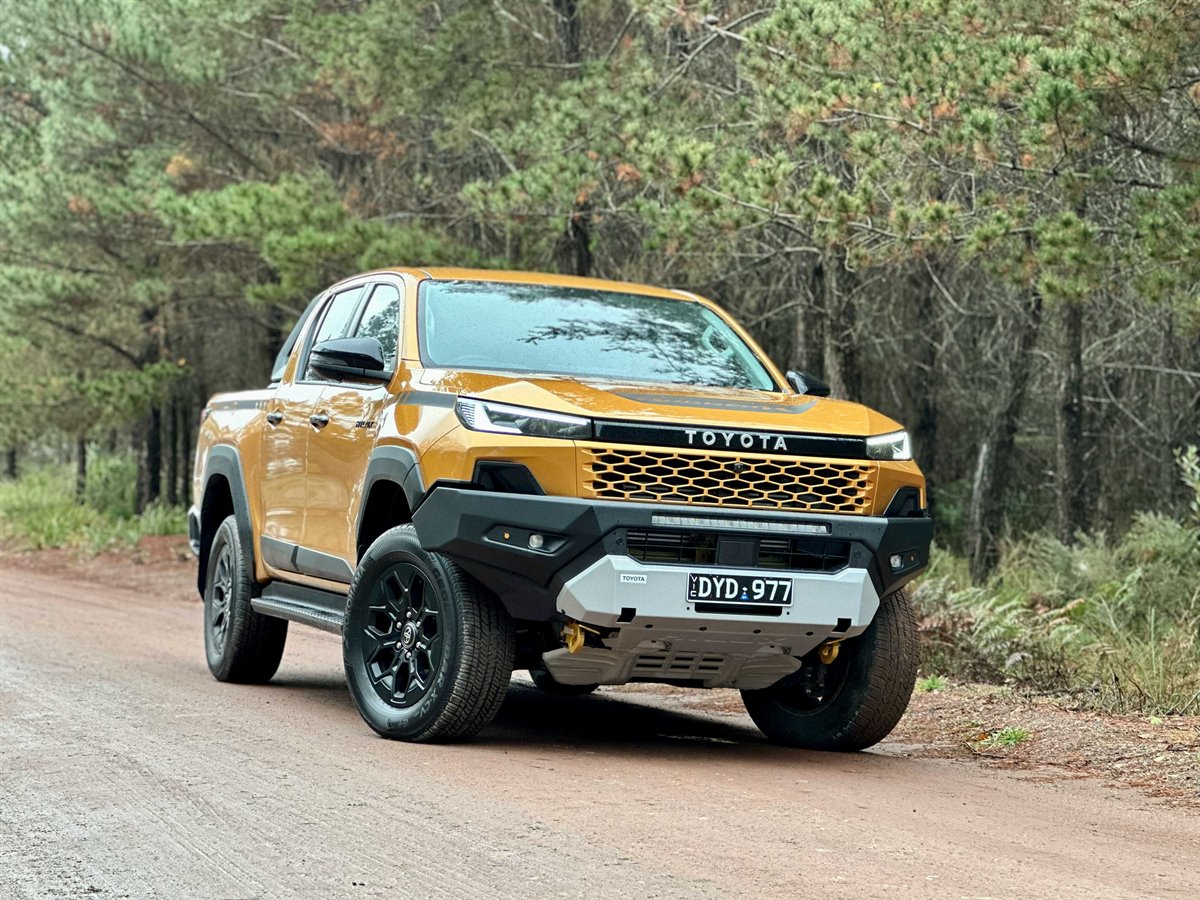
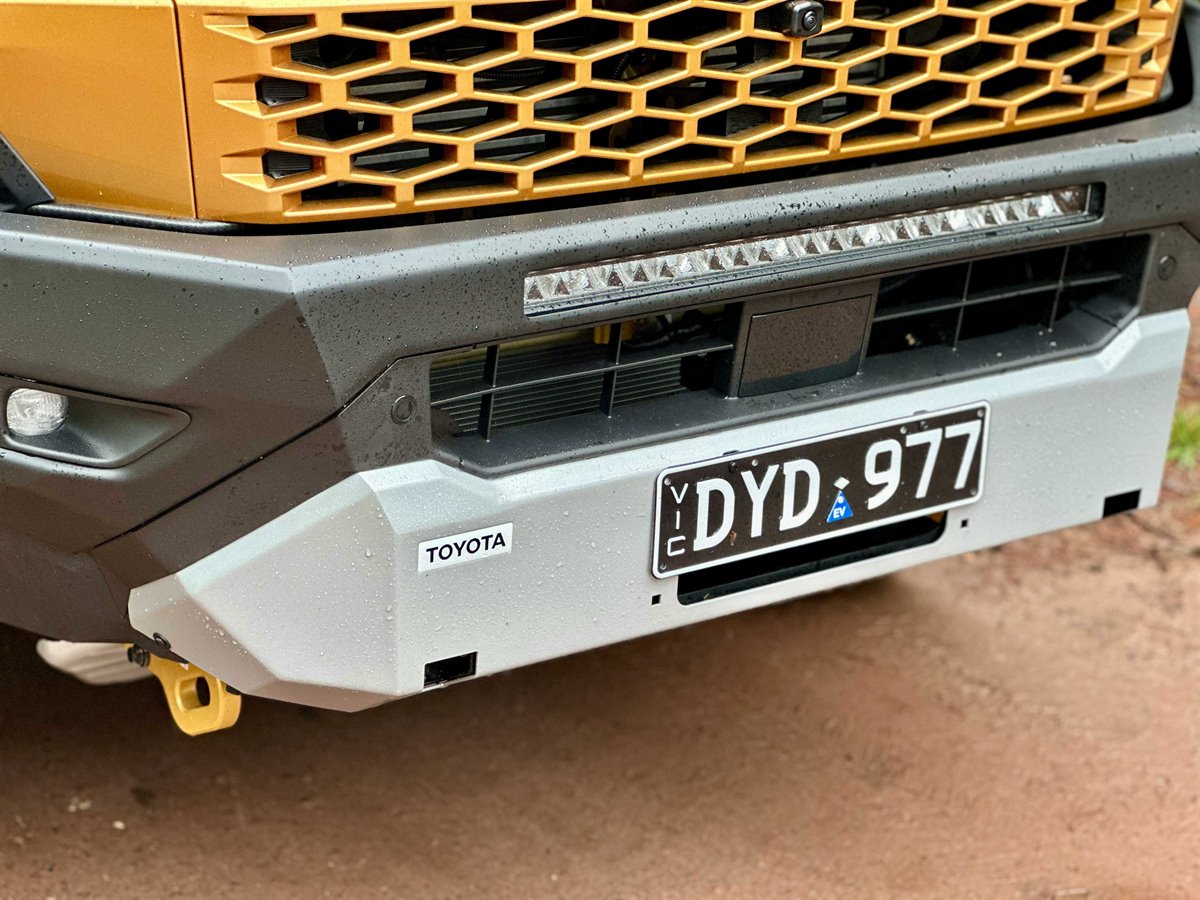
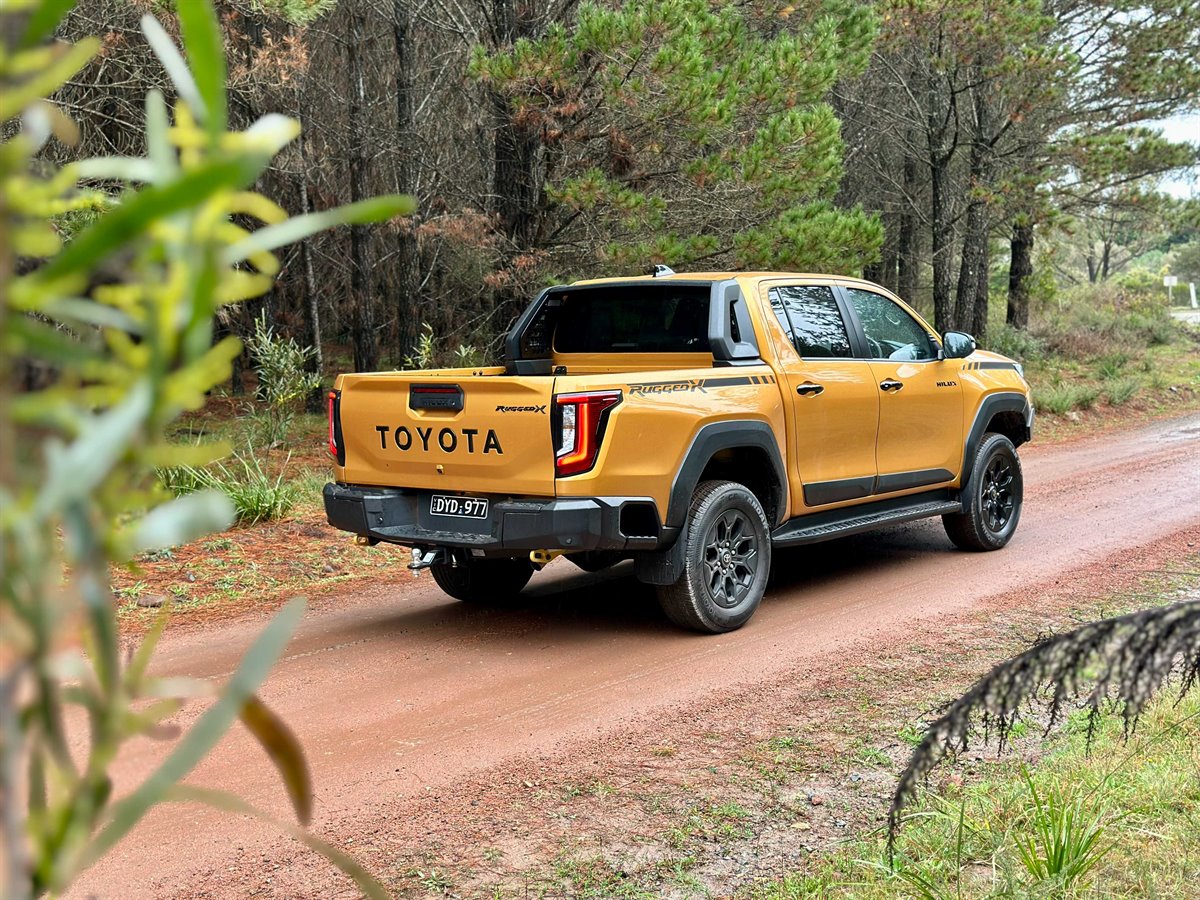
And my one, the Rugged X - with its heavy-duty facial and underbody armour, pre-installed LED light bar, and golden-coloured recovery points to match its vibrant 'Sunglow' paint - does look better than most.
But the design is still messy. If it said "Chery" or "Geely" on it, or some other Chinese brand name, you'd wouldn't be surprised.
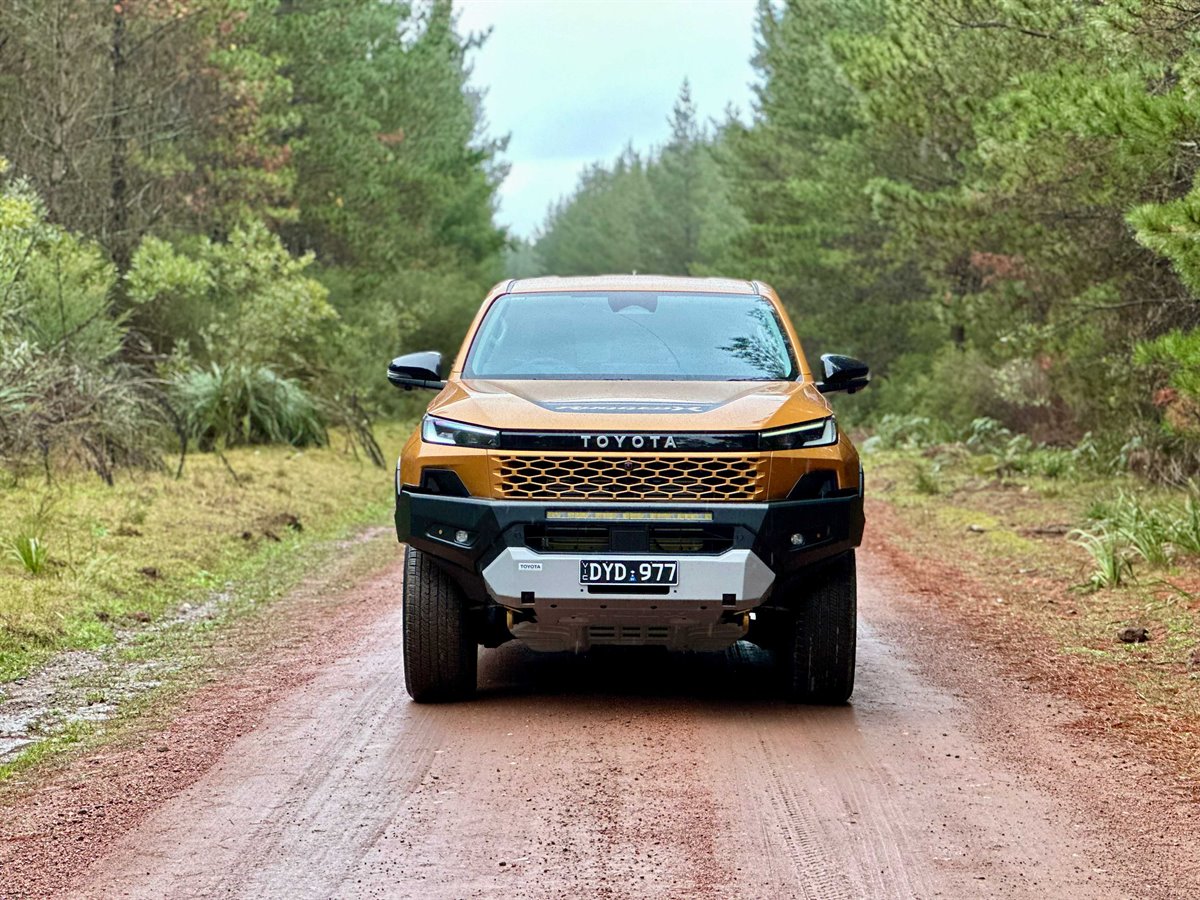
Toyota HiLux Rugged X, in "Sunglow". Photo: James Coleman.
The good
Once inside, however, away from the ugly face - and it's a sunny day, so you're not having to be onto the wipers every few minutes - the new HiLux delivers on all the things you'd want.
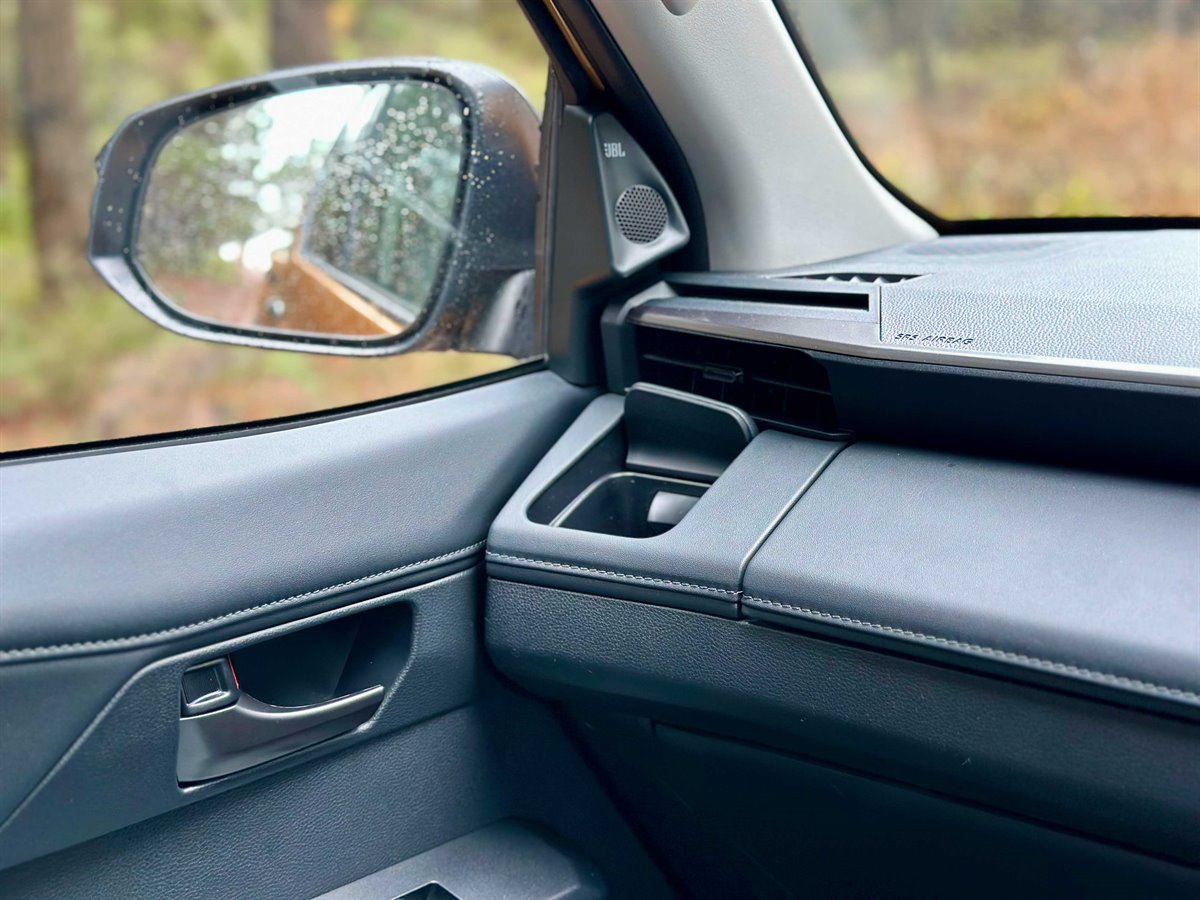
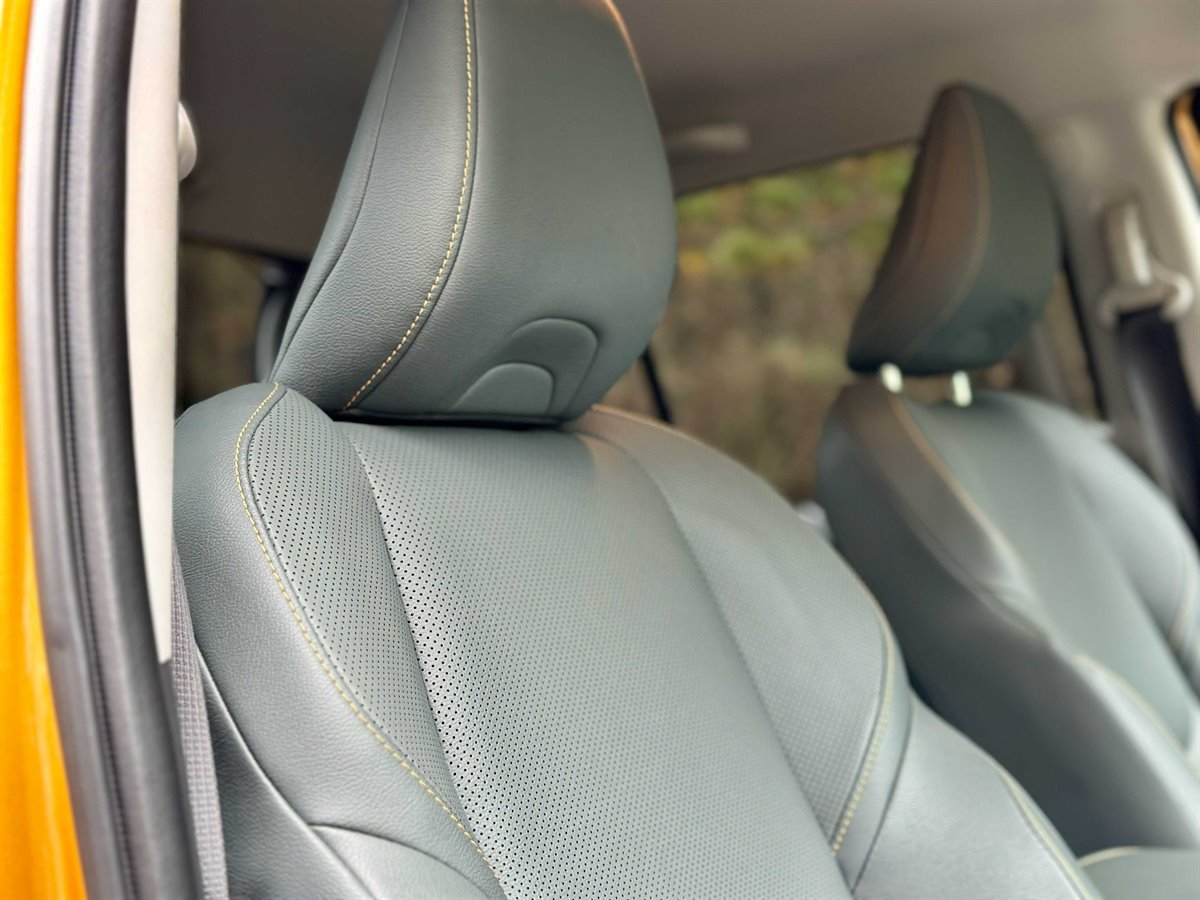
As ever, it is very practical. The seats are leather and wipe-downable and Toyota cleverly elected to put the perforated sections towards the top of the seat, so the little holes don't fill up with dirt from your muddy pants. More cars should also have cupholders on the dashboard - it's the perfect place for your Maccas coffee.
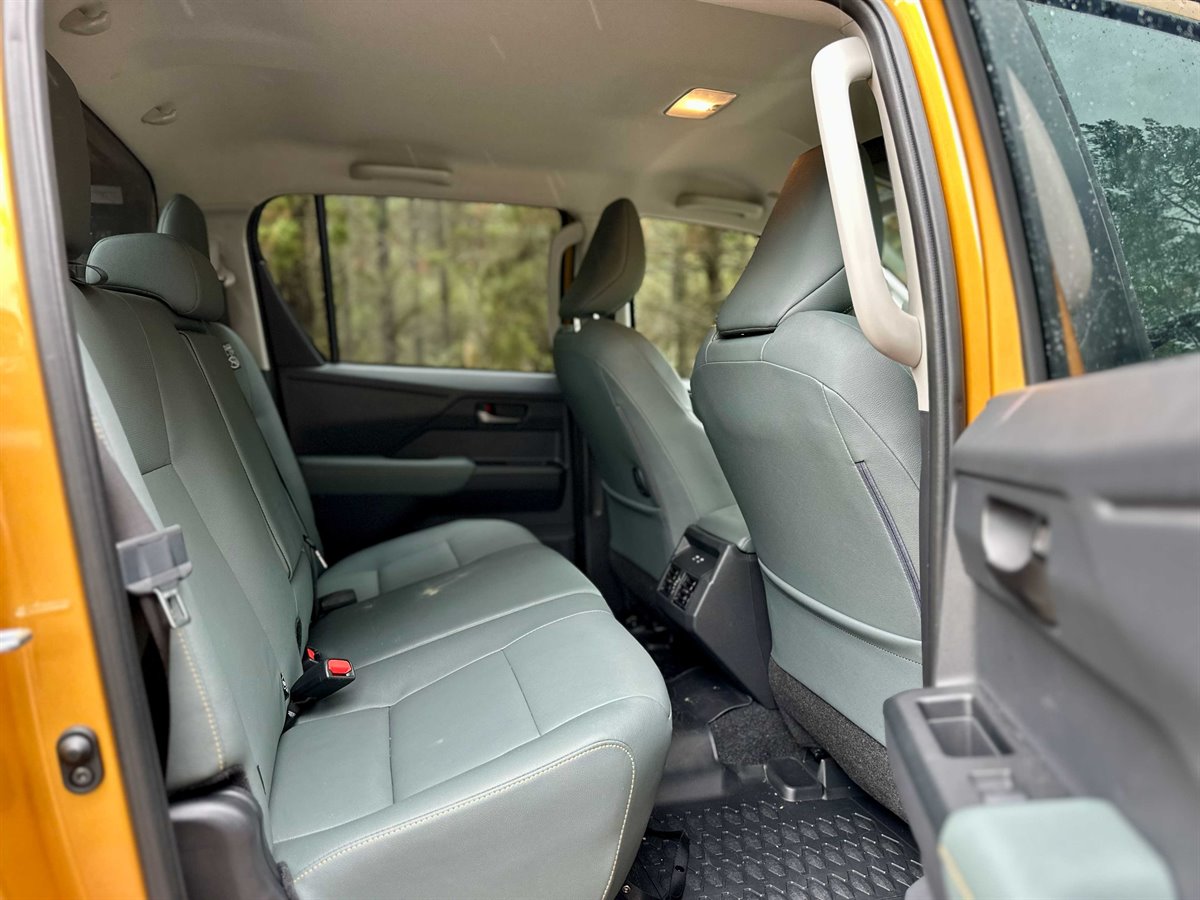
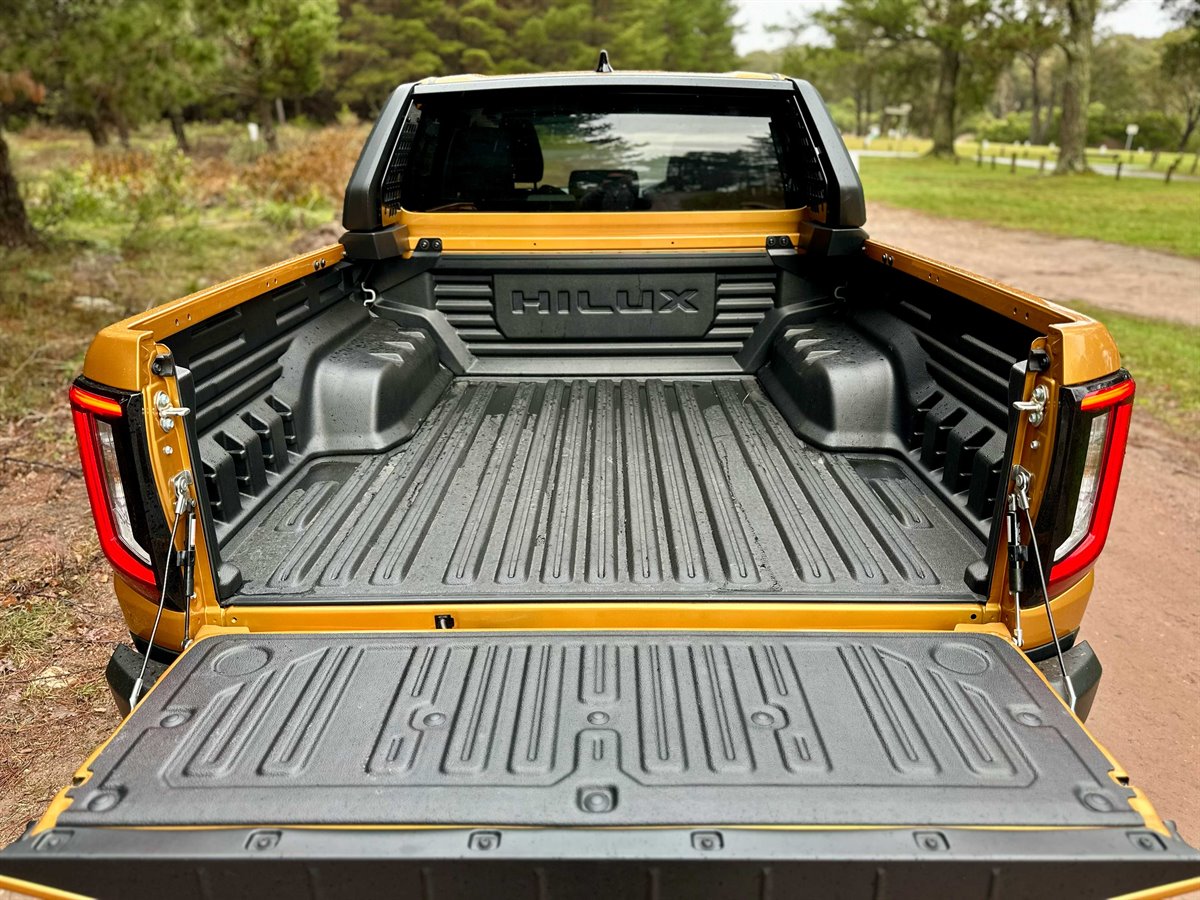
Space is tight, and the tray average, but you expect that from a standard dual-cab ute. RAMs and Silverados exist for people who need a whole bar fridge up front.
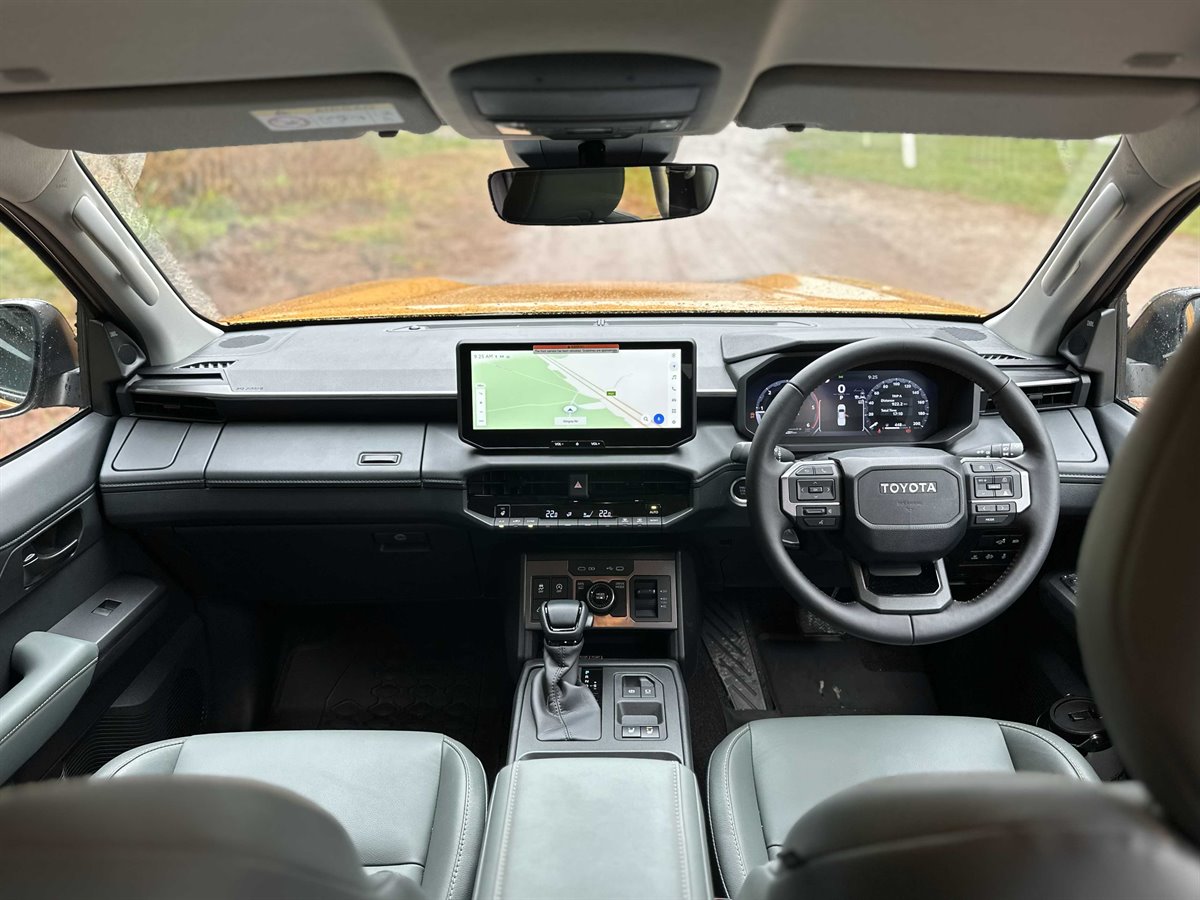
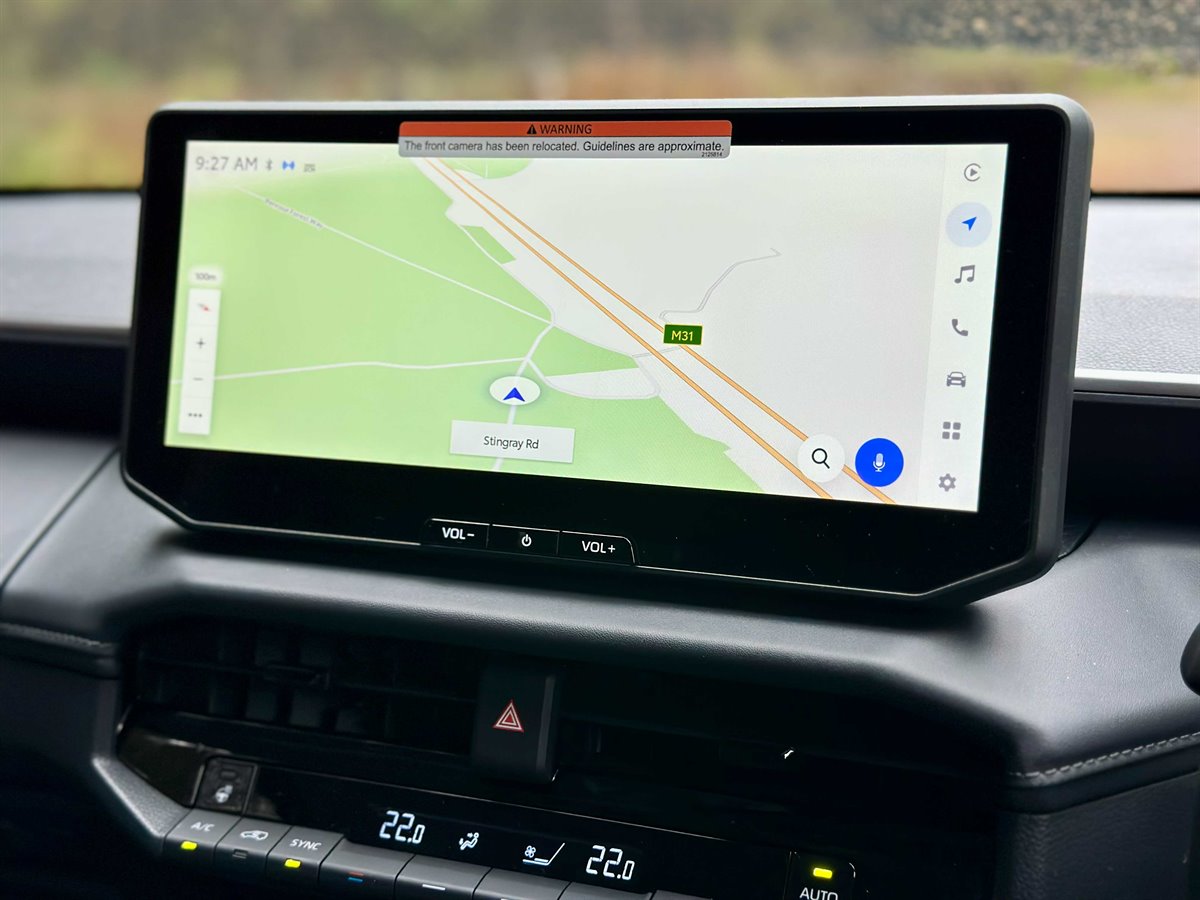
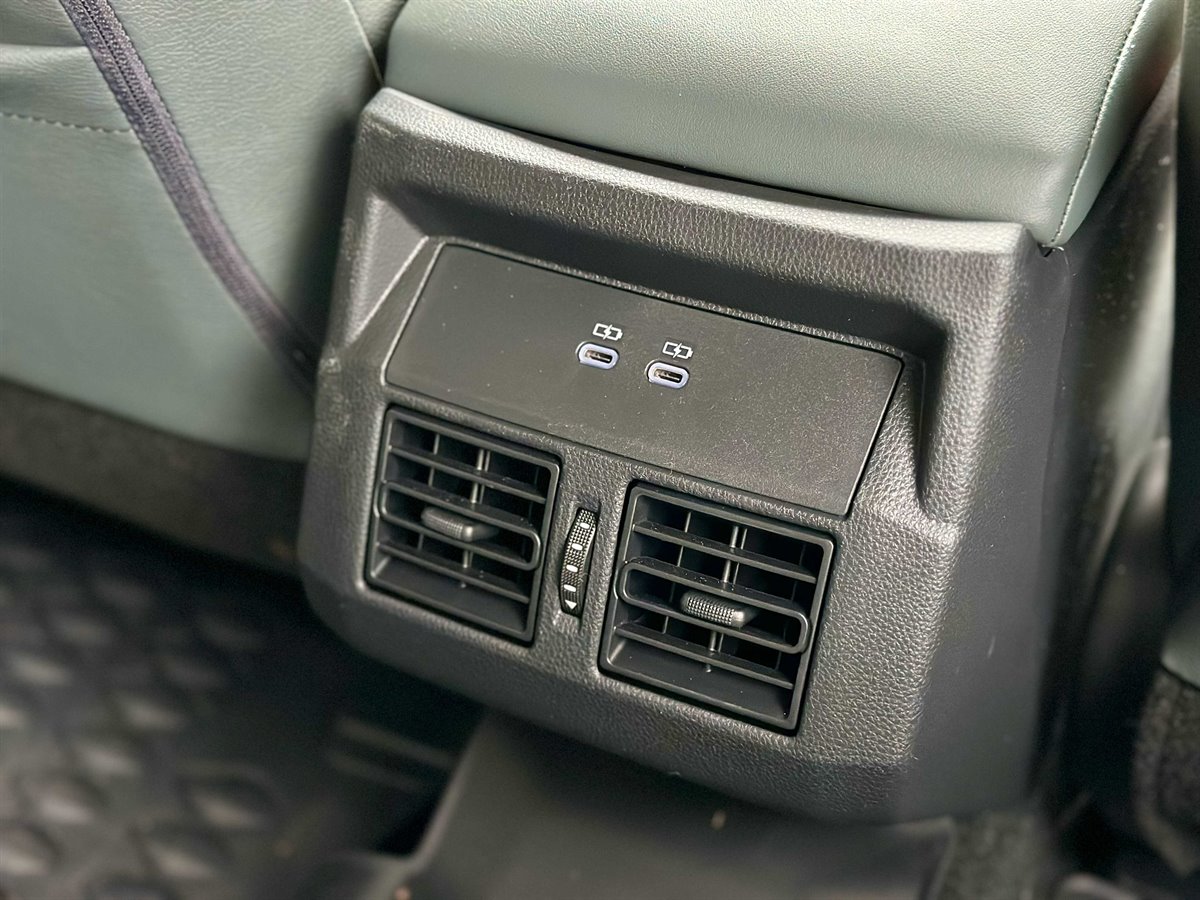
The technology is clean and simple - without overbearing driver aids or complicated digital menus - even if it does feel like they've fired a blunderbuss loaded with buttons around the cabin. Once you learn where everything is, it'll fall to hand but you may need the life of a the vehicle to do that.
Swipe or scroll sideways · 9 images
Apart from the little EV triangles on the numberplates, there's no way of knowing its a hybrid either.
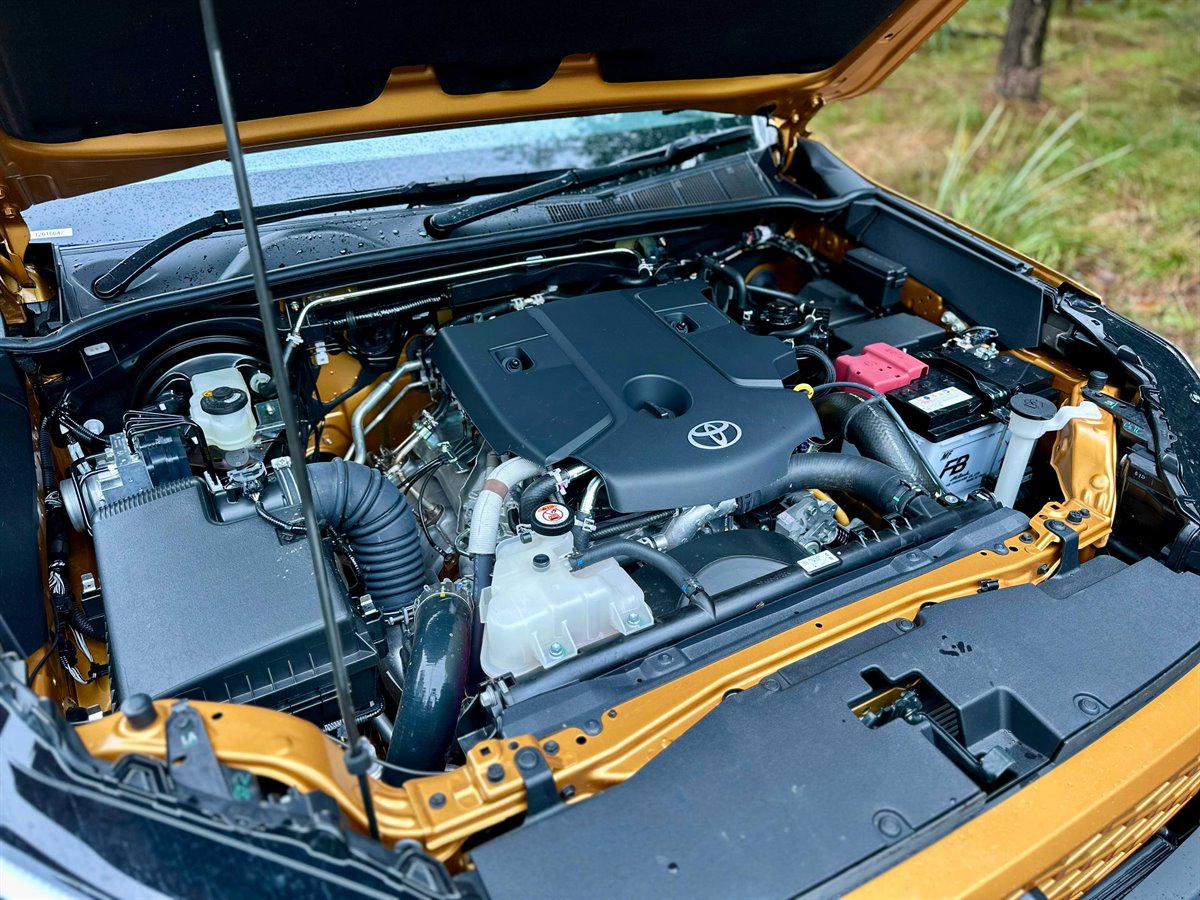
Apparently, the little 48-volt arrangement helps out the 2.8-litre turbo diesel engine with an extra 8.5 kW and 65 Nm during standing starts and acceleration, but the total output remains the same as the last model - 150 kW and 500 Nm.
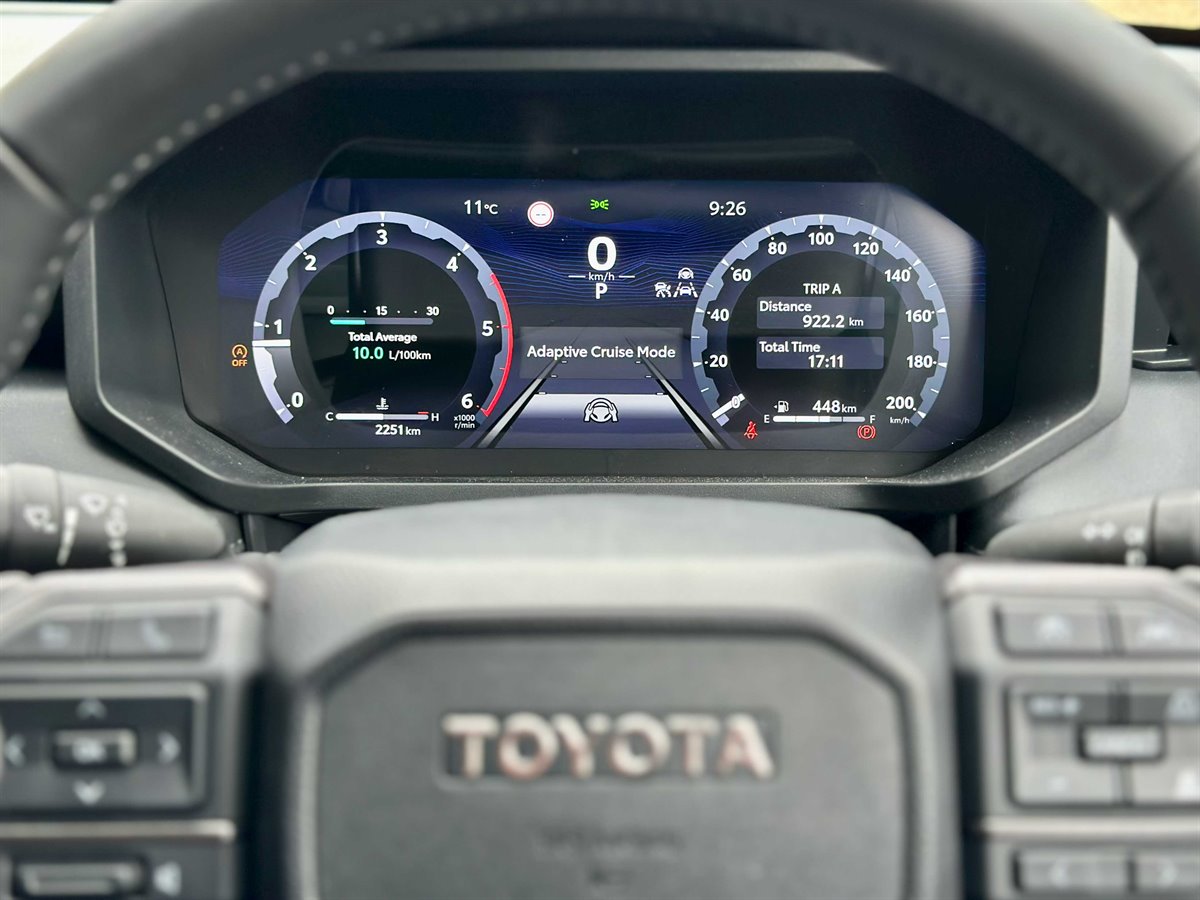
Toyota says the main aim was to improve fuel efficiency, but after comparing my average of 10 litres per 100 km with my uncle's score in his 2025 LandCruiser 70, I'm not sure it does much there either.
It's a gruff and noisy setup, but there's no doubt it's got oomph. Toyota claims the same 3,500 kg towing and 1,000 kg payload capacity.
There's also a dial for a "Multi-Terrain Select System", including an Auto setting where the car will adjust its computers for powering through everything from Snow to Deep Mud. So it can be clever when it wants to be.
The verdict
In the end though - and this is where it gets a bit sad - I was happy to get out of my $72K HiLux Rugged X and into a $64K Nissan Navara, where my wife and I could again have a conversation.
And there are automatic wipers.
As a sensible and dependable workute, the new HiLux is as capable as always. But at this end of the market? It's been left behind.
This, or an older HiLux?
|
|